









The Arctic wilderness, with its remote landscapes and extreme conditions, has long been a source of fascination for explorers, scientists, and adventurers alike. Among its most awe-inspiring natural phenomena is the Aurora Borealis, also known as the Northern Lights. These vibrant light displays, visible in the high latitudes of the Northern Hemisphere, have captivated humans for centuries, inspiring countless legends, scientific studies, and, more recently, a rich catalog of documentary films.
Northern Lights documentaries are a unique blend of nature cinematography, scientific exploration, and cultural storytelling. They not only showcase the mesmerizing beauty of the aurora but also delve into the harsh realities of the Arctic wilderness where these spectacular lights occur. This article explores the significance of Northern Lights documentaries, the science behind the auroras, their cultural impact, and the challenges and triumphs filmmakers face while capturing these ethereal light displays.
1. Introduction: The Mystique of the Arctic and the Northern Lights
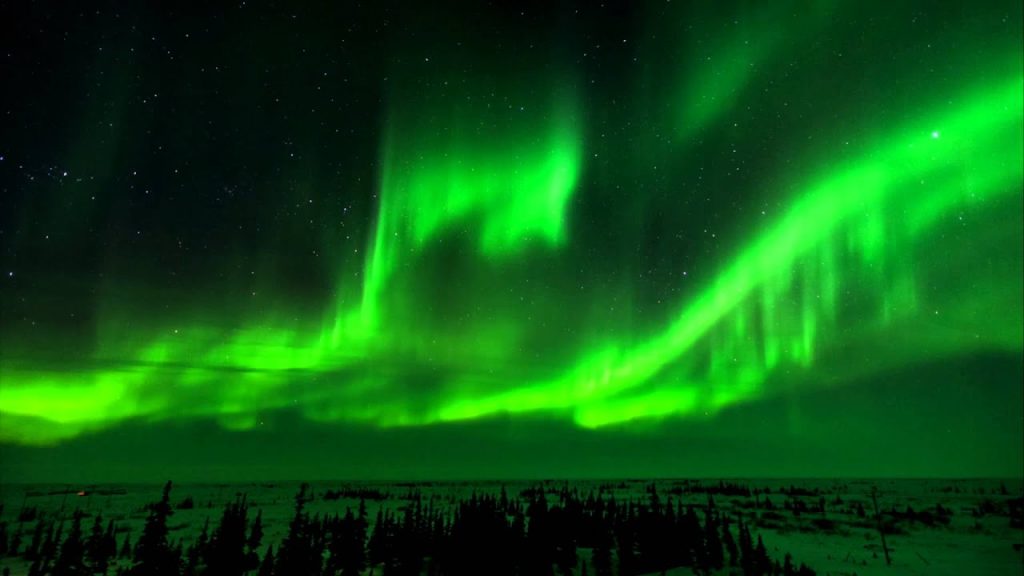
The Arctic region, defined by its icy tundras, glaciers, and remote islands, is one of the least explored and most challenging environments on Earth. Here, the Northern Lights emerge in the night skies—vivid bands of green, pink, purple, and red dancing in the dark. For centuries, these lights have sparked wonder, mystery, and curiosity. Indigenous cultures in the far north believed the aurora borealis were the spirits of ancestors or gods, while modern science understands the phenomenon as a result of solar wind and the Earth’s magnetic field.
In recent decades, however, nature documentaries have become the primary way for audiences worldwide to engage with the beauty and mystery of the Northern Lights. These films combine artistic expression with scientific inquiry, allowing viewers to witness the stunning visuals of the auroras while also exploring the cultural, environmental, and technological factors that shape this rare phenomenon.
2. The Science Behind the Northern Lights
Before delving into the cinematic world of the aurora borealis, it’s crucial to understand the science behind the lights that filmmakers strive to capture.
2.1 What are the Northern Lights?
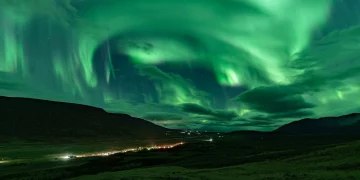
The Northern Lights are a natural light display caused by solar particles colliding with Earth’s magnetic field. These charged particles, emitted by the sun, interact with atoms and molecules in the Earth’s atmosphere, primarily oxygen and nitrogen, causing them to emit light.
The lights typically appear in the auroral zone, which lies between 60° and 75° latitude north of the equator, although rare geomagnetic storms can cause them to be visible at lower latitudes. The colors of the aurora—primarily green, but also purple, blue, and red—depend on the type of gas involved and the altitude at which the particles interact.
2.2 The Aurora’s Formation Process
- Solar Wind: Charged particles released by the sun travel through space at high speeds.
- Magnetic Field Interaction: When these particles reach Earth, they are directed toward the poles by the Earth’s magnetic field, where they encounter the atmosphere.
- Excitation of Gases: As the solar particles collide with atmospheric gases, the energy released results in the colorful light displays we see as the aurora. Oxygen at higher altitudes produces red and green colors, while nitrogen can produce purples and blues.
3. Capturing the Aurora: The Challenges of Filming in the Arctic Wilderness
Filming the Northern Lights is a complex and demanding task. Documentaries about the Arctic, such as “The Northern Lights: A Journey Through the Arctic” or “A Year in the Arctic,” require not just technical expertise but also a deep understanding of the environment and the challenges it presents.
3.1 Extreme Weather Conditions
The Arctic environment is notoriously harsh. Temperatures can plummet to -40°F (-40°C) or lower, and the region is often enveloped in polar night for months, leaving limited daylight hours for shooting. Filmmakers must contend with constant cold, ice storms, and unpredictable weather. The equipment itself must be capable of operating in such conditions, with cameras and lenses needing to function properly in freezing temperatures and high winds.
3.2 Technological Requirements
Capturing the beauty of the aurora requires advanced cinematographic tools:
- High-Quality Cameras: Cameras with high ISO sensitivity and the ability to shoot in low light are essential. Modern digital SLRs or mirrorless cameras are often used, with long-exposure capabilities to capture the subtle movements of the auroras.
- Specialized Lenses: Wide-angle lenses are critical to capture the full scope of the light display, allowing filmmakers to include the expansive Arctic landscape in their shots.
- Time-Lapse Photography: Due to the dynamic and ever-changing nature of the aurora, many documentaries incorporate time-lapse photography to convey the movement and transformation of the light displays.
- Drones: In more recent documentaries, drones are used to capture aerial views of the aurora, providing stunning perspectives that would be impossible to achieve from the ground.
3.3 Timing and Patience
One of the most difficult aspects of filming the aurora is timing. The Northern Lights do not occur on a predictable schedule, and filmmakers must be prepared to spend days or even weeks waiting for the right conditions. The right solar activity, clear skies, and a lack of light pollution all play a critical role in ensuring the aurora is visible. In some cases, filmmakers may wait for weeks, with only a few hours of aurora displays during their filming window.
4. Iconic Documentaries about the Northern Lights and Arctic Wilderness
Several documentaries have gained global recognition for their portrayal of the Northern Lights and Arctic wilderness. These films not only showcase breathtaking imagery but also delve into the environmental, social, and cultural contexts of the region.
4.1 “The Northern Lights: A Journey Through the Arctic” (2018)
This documentary, narrated by naturalist David Attenborough, takes viewers on a journey through the Arctic wilderness, combining stunning visuals of the aurora with fascinating insights into the science behind the phenomenon. Attenborough’s narration helps connect the aurora to the broader context of Earth’s ecosystems, emphasizing the delicate balance of life in the Arctic and the ways in which climate change threatens this fragile region.
4.2 “The Secret Life of the Arctic” (2016)
Filmed by the BBC’s Natural History Unit, this documentary offers an intimate look at the Arctic’s wildlife and landscapes, with a particular focus on the relationship between the animals and the harsh environment. While the Northern Lights are a side feature in this film, they serve as a stunning backdrop to the unfolding drama of life in the Arctic. The use of drone shots and close-up wildlife filming provides a dynamic and compelling portrayal of the Arctic wilderness.
4.3 “Frozen Planet” (2011)
Another David Attenborough-narrated documentary, “Frozen Planet” focuses on the entire polar region, showcasing not only the aurora but also the challenges of life in these extreme environments. This documentary series is famous for its cinematographic feats, especially in capturing the harsh realities of the Arctic and Antarctic regions. The Northern Lights, while not the central theme, are used as a powerful symbol of the majesty and mystery of the Arctic.
4.4 “Into the Arctic” (2019)
This film follows a group of scientists, filmmakers, and adventurers on a quest to document the changing Arctic landscape, including the aurora borealis. The documentary delves into the challenges of filming in such a remote and harsh environment, with particular focus on the technological aspects of shooting the aurora. The film also explores the increasing vulnerability of the Arctic region due to climate change.
5. Cultural Significance of the Northern Lights
Beyond their scientific and cinematic allure, the Northern Lights have a deep cultural significance for the indigenous peoples of the Arctic. Many northern cultures have rich mythologies surrounding the aurora. For example, in Sámi culture (the indigenous people of Scandinavia), the lights are believed to be the spirits of the dead, while other groups consider them as omens or a divine presence in the sky.
Documentaries about the aurora often explore these cultural stories, blending ethnographic insights with natural history. For example, “Frozen Planet” and other films highlight the relationship between the people of the Arctic and the lights, offering a poignant reminder of how humans have intertwined nature, culture, and spirituality over millennia.
6. The Environmental Impact and Climate Change
The Arctic is one of the regions most affected by climate change, with rapidly warming temperatures and melting ice. Northern Lights documentaries often juxtapose the beauty of the aurora with the looming threat of environmental degradation.
- Melting Ice Caps: The shrinking ice and permafrost are changing the landscape of the Arctic, threatening its unique ecosystems.
- Wildlife Displacement: As temperatures rise, traditional migration routes for Arctic species such as polar bears and caribou are disrupted, threatening biodiversity.
- Human Activity: The increasing presence of humans in the Arctic, driven by oil exploration, mining, and tourism, is further stressing this fragile environment.
In this context, the Northern Lights serve as a symbol of the Arctic’s fragility—an ethereal phenomenon that may soon be imperiled by the very forces that make it possible. Many documentaries, therefore, use the aurora as a metaphor for the beauty and impermanence of the natural world, urging viewers to reconsider their relationship with the environment.
7. Conclusion: The Future of Northern Lights Documentaries
As technology advances and our understanding of the Arctic grows, the future of Northern Lights documentaries looks promising. With virtual reality, 360-degree filming, and AI-driven environmental modeling, filmmakers have new tools to capture the awe-inspiring beauty of the aurora. These technologies will likely allow audiences to experience the Northern Lights in more immersive and interactive ways, fostering a deeper connection to this natural wonder.
However, as the Arctic faces increasing threats from climate change and human activity, these documentaries also serve an important activist role—raising awareness about the challenges facing this remote and fragile part of the world. By combining stunning cinematography with educational and cultural insights, Northern Lights documentaries ensure that the wonder of the aurora will continue to captivate audiences while encouraging a global dialogue on environmental preservation.