









The fascination with subterranean spaces has long captured the human imagination. From hidden cities buried deep within mountains to vast networks of caves that stretch beneath entire continents, the earth’s underground realm holds a wealth of untold stories. Across the world, ancient civilizations, natural forces, and modern ingenuity have conspired to create some of the most incredible underground locations ever discovered. This article explores the historical, cultural, and architectural significance of underground cities and cave systems around the globe, examining their origins, purposes, and ongoing mysteries.
1. The Concept of Underground Cities and Caves
Underground spaces have always held a dual allure for both ancient civilizations and modern explorers: they are places of refuge, innovation, mystery, and sometimes, survival. These subterranean sites often combine natural rock formations with human ingenuity to create entire communities and complex systems of tunnels, rooms, and even entire cities.
1.1 Why Build Underground?
The reasons for creating underground spaces are as varied as the regions in which they are found. Some underground systems were built for defense, others for practicality, and some for spiritual or cultural purposes.
- Protection from the Elements: Underground spaces often provide shelter from extreme weather, whether it be the harsh desert sun or the freezing cold of mountainous regions.
- Defense and Secrecy: In times of war or invasions, underground cities served as fortresses, hidden from invaders. These sites often had concealed entrances and secret passages.
- Preservation and Storage: In some cases, underground environments offered ideal conditions for storage—cool temperatures, protection from pests, and a stable climate—making them ideal for food storage, wine aging, or even hiding precious goods.
- Spiritual or Cultural Significance: Many ancient cultures constructed underground spaces for ceremonial purposes, rituals, or even burial practices, giving these sites a profound cultural or religious significance.
2. Notable Underground Cities Around the World
Across the world, countless underground cities and cave systems have been discovered, each with its unique history, architecture, and significance. Below are some of the most fascinating examples:
2.1 Derinkuyu Underground City (Turkey)
Location: Cappadocia Region, Central Turkey
Date of Construction: Estimated to date back to the 8th-7th centuries BCE
Purpose: Defense, Shelter, and Protection
The Derinkuyu Underground City in central Turkey is one of the most famous and extensive underground cities in the world. This remarkable subterranean complex extends as deep as 60 meters (200 feet) and consists of multiple levels connected by narrow tunnels. Thought to have been built by the Phrygians, it was later expanded by various civilizations, including the Byzantines and Seljuks, who used it as a refuge during times of invasion.
Derinkuyu is an engineering marvel, with features such as ventilation shafts, water wells, stables, and even a church—all buried deep below the earth’s surface. Its design includes sophisticated systems for both defense and daily living, with narrow passageways making it difficult for invaders to navigate. The city could house tens of thousands of people, offering protection during invasions while maintaining a functioning community.
- Significant Features:
- Ventilation System: Ingeniously placed ventilation shafts allowed fresh air to circulate, ensuring the inhabitants had sufficient oxygen despite being several stories underground.
- Storage and Living Spaces: The city contained areas for food storage, kitchens, sleeping quarters, and communal areas, allowing life to continue as normally as possible.
- Defense Mechanisms: Large stone doors could be rolled across entrances to block access, while hidden escape tunnels allowed for rapid evacuation if needed.
2.2 Montreal’s Underground City (Canada)
Location: Montreal, Quebec, Canada
Date of Construction: Began in the 1960s
Purpose: Urban Infrastructure, Commercial Space, Protection from Weather
Montreal’s Underground City, known as La Ville Souterraine, is one of the largest underground complexes in the world. Unlike ancient underground cities, Montreal’s subterranean network was constructed for modern urban purposes, providing a way to navigate the city while avoiding harsh winter temperatures.
The complex includes over 33 kilometers (20 miles) of tunnels that connect various buildings, shopping centers, hotels, and subway stations. La Ville Souterraine is not just a functional space; it is a vibrant part of the city, filled with retail stores, restaurants, and services, all hidden beneath the bustling streets of Montreal.
- Significant Features:
- Climate Control: Montreal’s harsh winter weather (often reaching temperatures below freezing) makes the underground city an essential part of life for many residents and visitors.
- Commercial Hub: With over 2,000 shops, restaurants, and services, the Underground City is a hub for commerce and urban life.
- Public Access: The network is open to the public, making it easy for people to navigate the city without ever stepping foot outdoors during the colder months.
2.3 Setenil de las Bodegas (Spain)
Location: Andalusia, Spain
Date of Construction: Dates back to the 12th century
Purpose: Protection, Shelter, and Adaptation to Environment
The town of Setenil de las Bodegas in southern Spain is famous for its unique architecture, where entire buildings are built into and under large overhanging rocks. The town is one of the Pueblos Blancos (White Villages) of Andalusia and features houses that are literally carved into the rock itself.
The cave dwellings in Setenil de las Bodegas are an example of how early inhabitants adapted to their environment. The natural overhangs provided shelter from the sun, offering a cool and stable environment during the hot Andalusian summers. Over time, these cave dwellings were expanded and modified to create functional homes and community spaces.
- Significant Features:
- Natural Rock Overhangs: The overhanging rocks offer natural protection from the elements, creating a stable microclimate for the town’s inhabitants.
- Historic Significance: Setenil de las Bodegas has a rich cultural history, with influences from the Moors and other civilizations over the centuries.
- Cave Architecture: The integration of natural rock formations into everyday life offers a unique example of how architecture can adapt to its environment.
2.4 The Catacombs of Paris (France)
Location: Paris, France
Date of Construction: Late 18th century
Purpose: Burial Site, Public Health
The Catacombs of Paris are a network of underground tunnels and chambers that stretch for over 300 kilometers (186 miles) beneath the city. Originally quarries that supplied the building materials for Parisian structures, the catacombs were transformed into a burial ground during the late 18th century when the city’s cemeteries became overcrowded.
The catacombs hold the remains of approximately six million people and have become one of Paris’ most famous tourist attractions. The eerie arrangement of bones, meticulously stacked in artistic patterns, adds to the mysterious allure of the site. While not a city in the traditional sense, the catacombs are a fascinating example of how underground spaces can be adapted to meet the needs of urban society.
- Significant Features:
- Human Remains: The catacombs contain the bones of millions of Parisians, arranged in orderly and often artistic formations.
- Historical Context: The catacombs serve as a reflection of the city’s history, particularly the issues surrounding overcrowded cemeteries and the need for public health solutions.
- Tourist Attraction: The catacombs have become an integral part of Paris’ cultural heritage, attracting visitors from around the world who seek to learn more about its history.
3. The Challenges of Underground Cities
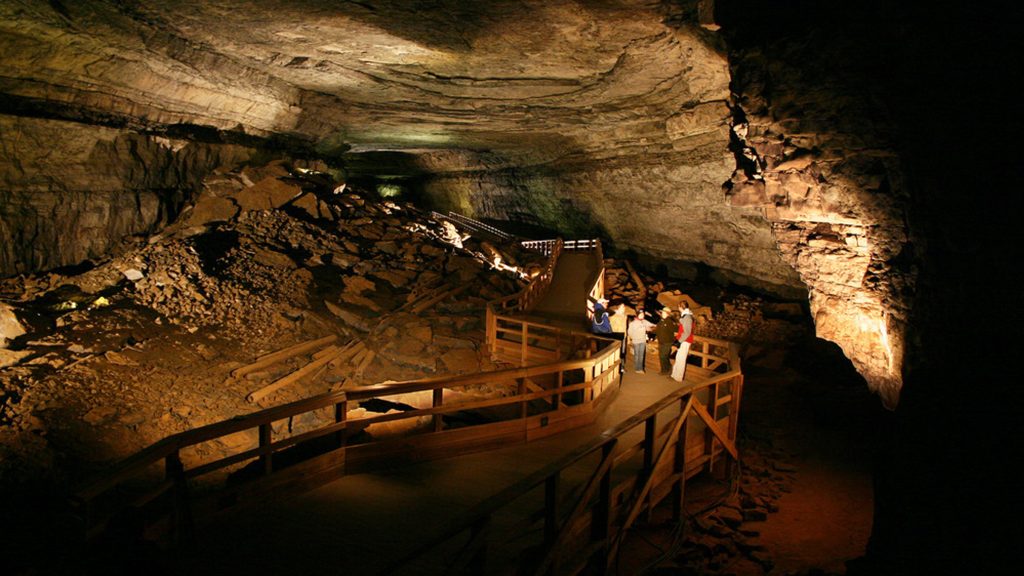
Building and maintaining underground cities or structures presents a unique set of challenges. From issues of ventilation and climate control to structural integrity, underground spaces require careful design and management.
3.1 Structural Challenges
Maintaining the stability of underground cities requires constant monitoring of the earth’s geology. Tunnels and chambers must be reinforced to prevent collapse, and materials must be carefully selected to withstand the pressures of the earth above.
3.2 Environmental Considerations
Underground cities are often cooler than above-ground environments, which can provide natural insulation in warmer climates. However, managing moisture levels and preventing mold growth can be difficult. Ventilation systems must be designed to ensure a constant supply of fresh air while maintaining comfortable temperatures.
3.3 Cultural and Preservation Issues
Preserving underground cities and caves can be challenging due to the potential for human interference and the natural decay of materials. Many of these sites are vulnerable to damage from tourism, pollution, and the elements. Conservation efforts are essential to ensure that these unique historical treasures remain intact for future generations.
4. The Future of Underground Exploration
As the world faces increasing pressures related to urbanization, climate change, and sustainability, underground spaces may play a larger role in the future of human habitation.
- Sustainable Architecture: The concept of underground cities is being revisited as a potential solution to reduce the environmental impact of urban sprawl. Underground structures can make use of natural insulation, reducing the need for energy-intensive heating and cooling systems.
- Exploration and Discovery: With continued advancements in technology, underground exploration is becoming more sophisticated, allowing archaeologists and historians to discover new subterranean sites and learn more about our ancestors’ hidden worlds.
- Cultural Significance: As our understanding of underground spaces deepens, these sites will continue to offer valuable insights into the cultures and civilizations that built them, revealing the incredible ingenuity and resourcefulness of humanity throughout history.
5. Conclusion: The Mystique of Underground Cities
The world beneath our feet is far from empty; it is a realm filled with historical significance, mystery, and architectural brilliance. From the ancient cities of Derinkuyu and Setenil de las Bodegas to the modern marvel of Montreal’s Underground City, these subterranean spaces offer us a glimpse into humanity’s capacity to adapt, innovate, and thrive in the most challenging of environments.
As interest in underground exploration grows, both for historical discovery and practical applications, these hidden worlds will continue to captivate our imaginations and remind us of the untold stories still buried beneath the earth. Whether as places of refuge, innovation, or mystery, underground cities and cave systems are integral parts of our shared cultural and architectural heritage—testaments to human resilience and ingenuity in the face of the unknown.