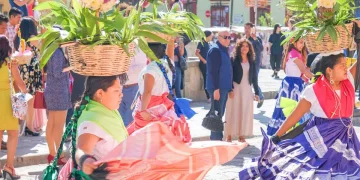










In recent years, the world of tourism has witnessed a significant transformation. Travelers are increasingly seeking experiences that go beyond traditional sightseeing and offer a more profound connection to the places they visit. This shift has given rise to what is now being called deep cultural immersive travel—a form of travel that focuses on authentic, meaningful engagement with local cultures, traditions, and lifestyles. Unlike conventional tourism, which often emphasizes surface-level attractions, deep cultural immersion allows travelers to experience destinations from the inside out, fostering deeper understanding, mutual respect, and personal growth.
In this article, we explore the rise of immersive cultural travel, its key characteristics, benefits, challenges, and the reasons why it has become a leading trend in modern tourism. Additionally, we will discuss how this shift toward deeper engagement is reshaping the tourism industry, local communities, and the way people experience the world.
1. Defining Deep Cultural Immersive Travel
At its core, deep cultural immersive travel focuses on creating experiences that allow travelers to fully engage with the local culture in an authentic and respectful way. This type of travel goes beyond typical tourist activities such as visiting landmarks or staying in luxury resorts. Instead, it encourages participants to dive into the everyday life of the community, engage with local traditions, and learn about the history, customs, and values that shape a place.
Unlike traditional tourism, where travelers may spend only a few hours or days at a destination, immersive travel experiences often last longer, allowing visitors to form a connection with the community and environment. These experiences are characterized by meaningful interactions with local people, participation in cultural events or activities, and learning opportunities that go beyond mere observation.
Key Features of Deep Cultural Immersive Travel:
- Extended Stays: Immersive travel often involves longer stays in local communities, allowing travelers to experience life as it is lived by residents, rather than as tourists on a brief visit.
- Authenticity: The focus is on authentic cultural experiences that are not staged for tourists. These include traditional cooking classes, local festivals, homestays with indigenous families, and engaging in traditional crafts.
- Active Participation: Immersive travelers actively engage in the cultural practices of the destination—whether it’s learning to cook a regional dish, participating in a traditional dance, or joining a local conservation project.
- Cultural Exchange: Immersive travel fosters a two-way exchange of knowledge and understanding, where both travelers and local communities learn from each other and share perspectives.
2. Why Deep Cultural Immersive Travel is Becoming Mainstream
The rise of deep cultural immersive travel can be attributed to a number of factors, including the changing demands of travelers, the growth of digital connectivity, and the shift towards sustainable and responsible tourism. Let’s explore some of the key reasons why this form of travel is gaining popularity.
2.1 The Desire for Meaningful Experiences
Today’s travelers are no longer satisfied with taking the usual tourist photos or visiting crowded attractions. Instead, they are seeking authentic, transformative experiences that create lasting memories. According to a study by Booking.com, a significant percentage of travelers prefer experiences that allow them to connect deeply with local cultures and communities.
Many modern travelers—particularly millennials and Gen Z—are more interested in exploring destinations that offer cultural enrichment rather than just entertainment. They are motivated by a desire to gain a deeper understanding of the world, challenge their perspectives, and build connections with people from different backgrounds.
2.2 The Influence of Social Media and Digital Connectivity
The rise of social media platforms like Instagram, Facebook, and TikTok has played a crucial role in the growth of deep cultural immersive travel. Travelers now share their experiences in real-time, often showcasing the authentic and unique aspects of the destinations they visit. This has led to a growing interest in experiences that are off the beaten path, focusing on cultural richness rather than just Instagrammable moments.
Travel bloggers, influencers, and content creators have also played a key role in highlighting the joys of immersive travel, providing firsthand accounts of their experiences in local villages, with indigenous cultures, or while participating in community-led projects. These platforms allow travelers to discover lesser-known destinations and activities that offer more meaningful and engaging experiences than conventional tourism.
2.3 The Shift Toward Sustainable and Responsible Tourism
In the past, mass tourism often led to negative impacts on local communities, the environment, and culture. Overcrowding, overconsumption of resources, and the commercialization of cultural traditions were just a few of the detrimental effects. In response to these concerns, travelers are increasingly turning to sustainable tourism practices that prioritize minimizing harm and maximizing benefits for local communities.
Deep cultural immersive travel is aligned with the principles of responsible tourism. It encourages travelers to be mindful of their impact, support local economies, and respect local traditions and customs. Moreover, it often involves smaller, more intimate travel experiences that reduce the negative environmental footprint and help to preserve the authenticity of the destination.
By participating in local conservation efforts, learning from indigenous cultures, and supporting eco-friendly initiatives, immersive travelers contribute positively to the places they visit, rather than exploiting them for personal gain.
3. Types of Deep Cultural Immersive Travel Experiences
There are countless ways to engage in deep cultural immersion, depending on the region, community, and the traveler’s interests. Some common immersive experiences include:
3.1 Homestays and Cultural Exchange Programs
Staying with local families is one of the most profound ways to experience a destination’s culture. Homestays offer travelers the opportunity to live with residents in their homes, share meals, and participate in daily activities, allowing for intimate, authentic experiences. In many cases, these stays include participating in local customs, learning traditional cooking, or observing cultural rituals.
Additionally, cultural exchange programs, where travelers are paired with locals for mutual learning, foster deeper connections between individuals from different backgrounds. These experiences often involve discussions about cultural differences, shared history, and joint activities.
3.2 Traditional Workshops and Skill Learning
A significant aspect of deep cultural immersion is the opportunity to learn traditional crafts, skills, or trades that are integral to the local culture. Whether it’s pottery-making in Morocco, silk-weaving in Thailand, or learning the art of dance in Cuba, these hands-on workshops give travelers insight into the culture’s history, values, and ways of life.
Participating in local rituals, such as tea ceremonies in Japan, shamanic ceremonies in the Andes, or song and dance festivals in Africa, can also deepen one’s understanding of a community’s heritage.
3.3 Nature and Adventure-Based Immersion
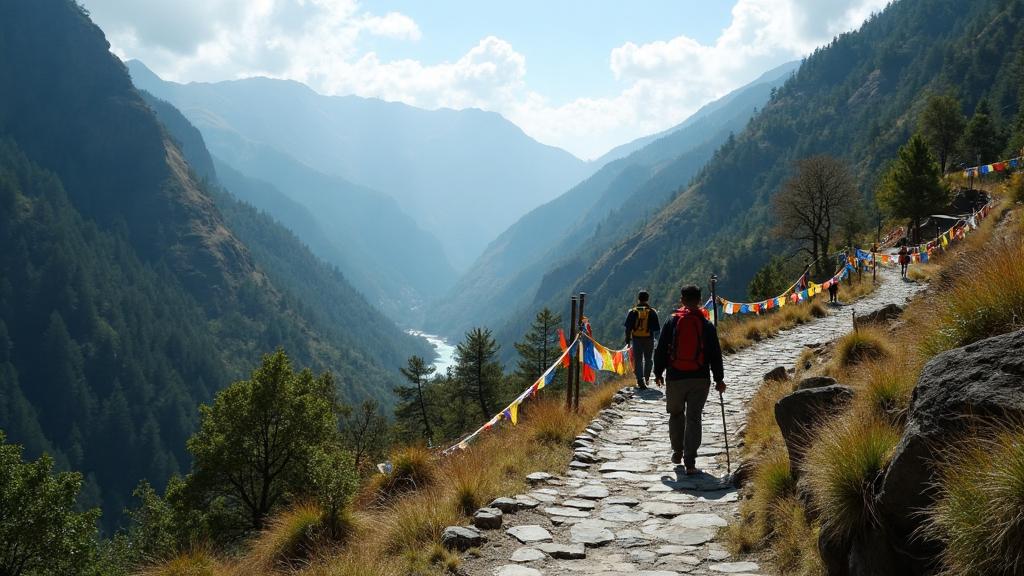
In addition to cultural activities, many travelers engage in nature-based experiences that allow them to connect with the land and its people. For example, trekking with indigenous guides through remote rainforests or deserts, or participating in wildlife conservation efforts, offers travelers an opportunity to experience the natural world and its interconnectedness with the local culture.
Eco-tourism initiatives that involve volunteering or working alongside local communities on environmental projects—such as wildlife monitoring, habitat restoration, or sustainable farming—provide travelers with a sense of contribution to the community’s long-term well-being.
3.4 Participating in Local Festivals and Celebrations
One of the most immersive ways to connect with a culture is by participating in local festivals and celebrations. These events, often tied to religious holidays, harvest celebrations, or historical commemorations, offer travelers a chance to witness the heart of the community’s traditions and beliefs.
For example, the Day of the Dead in Mexico, the Mardi Gras in New Orleans, or the Holi Festival in India provide vivid, immersive experiences that showcase local customs, music, dance, and food. Through active participation, travelers gain insights into the cultural significance of these celebrations and their role in community life.
4. Benefits of Deep Cultural Immersive Travel
4.1 Promoting Cross-Cultural Understanding
One of the greatest advantages of deep cultural immersive travel is its ability to foster cross-cultural understanding. By directly engaging with local cultures and communities, travelers develop a deeper appreciation for different ways of life, perspectives, and values. This kind of experience challenges preconceived notions, breaking down stereotypes and misconceptions.
Cultural immersion fosters empathy and a sense of shared humanity, allowing individuals to see the world through others’ eyes. It also helps preserve cultural diversity, as travelers’ respect for traditions can lead to a more sustainable and mutually beneficial relationship between visitors and host communities.
4.2 Supporting Local Economies
Unlike mass tourism, which often leads to economic leakage (where money leaves the local community without benefiting it), deep cultural immersion ensures that a higher percentage of tourism revenue stays within the community. By staying in homestays, eating at local restaurants, and purchasing handmade crafts, travelers contribute directly to the livelihoods of local families and businesses.
Additionally, immersive tourism encourages the development of sustainable businesses that are centered around local traditions and natural resources, such as eco-lodges, guided nature tours, and cultural workshops. This not only benefits the local economy but also incentivizes conservation and heritage preservation.
4.3 Personal Growth and Enrichment
For many travelers, the primary benefit of deep cultural immersive travel is the opportunity for personal growth. Engaging in unfamiliar customs, learning new skills, and adapting to different environments helps individuals develop qualities such as patience, adaptability, and resilience. These transformative experiences often lead to greater self-awareness and personal enrichment.
Furthermore, deep cultural immersion often fosters meaningful connections with people from diverse backgrounds, enriching travelers’ lives and providing them with a network of global friendships that transcends borders.
5. Conclusion: Embracing the Future of Tourism
Deep cultural immersive travel is no longer a niche form of tourism but a growing movement that is reshaping how people explore the world. As travelers increasingly seek authenticity, connection, and sustainability, cultural immersion offers a path that leads to a deeper understanding of the places and people we encounter.
For local communities, it represents a way to share their culture and traditions with the world while benefiting from tourism that is respectful and sustainable. For travelers, it offers the opportunity to transform their understanding of the world and contribute positively to the preservation of cultures and ecosystems.
In embracing deep cultural immersion, we can create a future of tourism that respects and celebrates cultural diversity, fosters empathy, and promotes global connections, paving the way for more meaningful and enriching travel experiences.