









Megalithic cultures have long captured the fascination of archaeologists, historians, and adventurers alike. These ancient societies, known for their use of massive stones to construct monuments and ceremonial sites, left behind a legacy that continues to intrigue and mystify modern scholars. From Stonehenge in the United Kingdom to the megalithic temples of Malta and the towering statues of Easter Island, the world’s megalithic structures are monuments to both the ingenuity and mystery of ancient peoples.
This article delves into the world of mysterious megalithic cultures, exploring the significance of these structures, the civilizations behind them, and the enduring questions that surround their purpose and construction. By examining the various forms of megalithic architecture, from stone circles to dolmens and menhirs, we aim to shed light on these monumental achievements and their cultural and spiritual importance.
1. What are Megalithic Structures?
The term “megalith” comes from the Greek words mega (large) and lithos (stone), meaning “large stone.” Megalithic structures are defined as large stone constructions that were built without the use of mortar or cement. These structures, some of which weigh several tons, were constructed by ancient societies, often during the Neolithic and Bronze Ages.
Megalithic structures can take various forms, including:
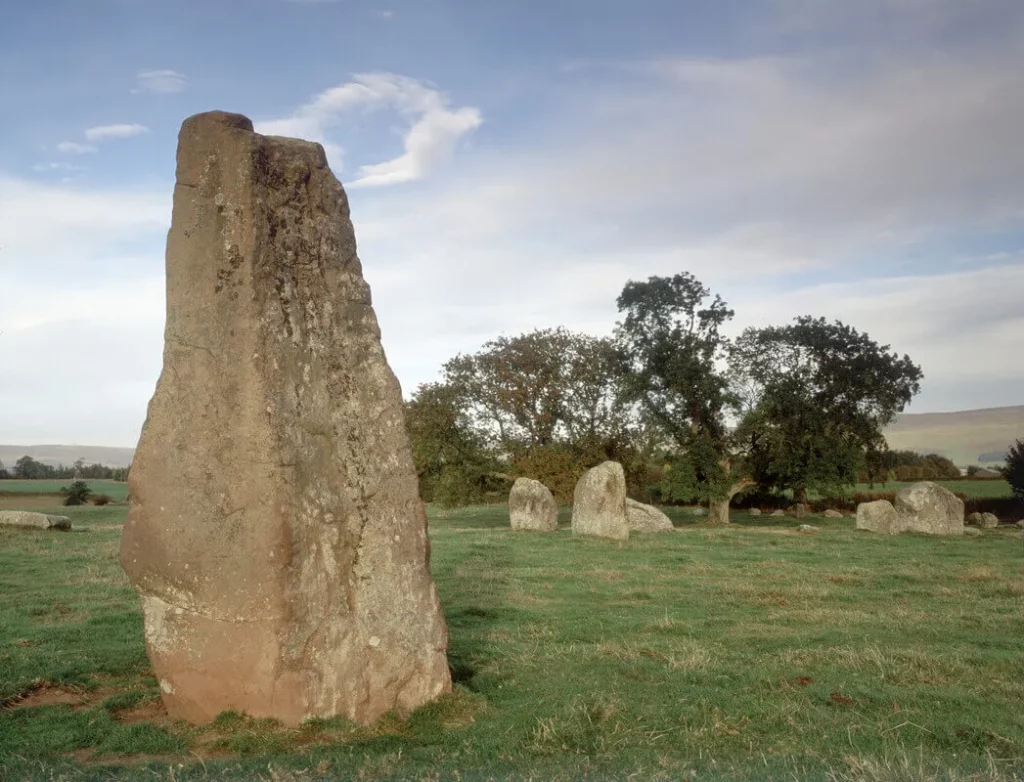
- Menhirs: Upright stones or single-standing monoliths, often arranged in lines or circles.
- Dolmens: Megalithic tombs consisting of large upright stones supporting a flat horizontal stone, creating a chamber.
- Cromlechs: Circular arrangements of standing stones, often used for ceremonial or astronomical purposes.
- Stone Circles: Circular arrangements of upright stones, such as Stonehenge, which have long been associated with rituals and astronomical observations.
- Alignments: Long rows of standing stones, such as those found at Carnac in Brittany, France, which may have had symbolic, astronomical, or ceremonial significance.
These structures were not only technical feats of engineering but also symbolic and spiritual landmarks, representing the beliefs, social structures, and astronomical knowledge of the cultures that created them.
2. Key Megalithic Sites Around the World
2.1 Stonehenge, United Kingdom
No megalithic site is as famous or as enigmatic as Stonehenge. Located in Wiltshire, England, Stonehenge consists of a series of circular stone arrangements surrounded by a circular earthwork. The site was constructed in several stages over 1,500 years, with the earliest construction dating back to around 3000 BCE.
Stonehenge is widely believed to have had astronomical significance. Its alignment with the solstices suggests that the site was used as a calendar or an observatory, marking the changing of the seasons and tracking celestial events. Additionally, the stones themselves—known as sarsens and bluestones—were transported from distant locations, raising questions about the technological prowess and social organization of the people who built it.
Despite years of research, the full purpose of Stonehenge remains elusive. It may have served as a ritualistic site, a burial ground, or a gathering place for religious ceremonies, and the precise nature of these practices continues to be a subject of much speculation.
2.2 Carnac, France
The Carnac Stones in Brittany, France, are another iconic megalithic site, consisting of over 3,000 standing stones arranged in rows or alignments. These stones, which date back to around 4500 BCE, form one of the largest and most impressive collections of prehistoric megaliths in Europe. The stones vary in size, with some reaching up to 4 meters in height.
The alignment of the stones at Carnac has long been a subject of intrigue. While their exact purpose is unknown, many believe the site was used for astronomical observations or ritual purposes, similar to Stonehenge. Some scholars propose that the lines of stones could have been aligned with the rising and setting of specific stars or celestial bodies, indicating a profound understanding of astronomy by the people who built them.
2.3 Göbekli Tepe, Turkey
Göbekli Tepe, located in southeastern Turkey, is a remarkably ancient site that predates Stonehenge by 6,000 years. Believed to have been constructed around 9600 BCE, Göbekli Tepe consists of several circular and rectangular enclosures, with large, carved pillars featuring intricate reliefs of animals and symbols.
Göbekli Tepe’s purpose remains unclear, but it is believed to have been a ritual site or a temple. The sophistication of its construction and its age challenge traditional views of early human society, which have long placed the development of complex religious and architectural practices much later in human history. The site’s builders were likely hunter-gatherers, not yet settled in permanent communities, which raises questions about the development of social organization and spiritual beliefs in prehistoric times.
2.4 The Moai Statues of Easter Island
Easter Island, or Rapa Nui, is home to another of the world’s most mysterious megalithic sites—the Moai statues. These gigantic stone heads, carved from volcanic tuff, stand on stone platforms called Ahu. The Moai represent the ancestors of the Rapa Nui people and were constructed between 1100 and 1680 CE.
The statues are not only remarkable for their size—some reaching over 10 feet tall and weighing several tons—but also for the spiritual significance they held for the island’s indigenous culture. The Moai were positioned to face inland, overseeing the villages and protecting the inhabitants. The construction and transportation of the statues remain a subject of debate, as the process required immense organization and labor.
2.5 Malta’s Megalithic Temples
The islands of Malta boast some of the oldest free-standing stone structures in the world, including a series of megalithic temples. Built between 3600 BCE and 2500 BCE, the temples of Ħaġar Qim, Mnajdra, and Tarxien are complex structures made of large limestone blocks and feature sophisticated architectural designs.
The temples of Malta are believed to have been religious centers, possibly used for rituals related to fertility, the worship of nature deities, or astronomical observation. The structures’ alignment with the sun and stars suggests that the island’s ancient inhabitants possessed advanced knowledge of celestial cycles.
3. The Purpose and Significance of Megalithic Structures
While the exact purpose of many megalithic sites remains a mystery, there are several key themes that emerge from the study of these structures:
3.1 Astronomical Knowledge
A common feature of many megalithic sites is their alignment with celestial bodies—particularly the sun, moon, and stars. From Stonehenge to Newgrange in Ireland, the alignment of stones often corresponds with the solstices, equinoxes, and other important astronomical events. This suggests that early human societies were deeply connected to the heavens, using these monuments as tools for tracking time, calendar systems, and celestial cycles.
3.2 Religious and Ceremonial Significance
Many megalithic sites likely served as places of ritual and worship. The large stone structures were often associated with burials, such as in the case of dolmens or tumuli, where the dead were interred. The monumental nature of the stones and their arrangement suggests that these sites were used for communal gatherings, ritual sacrifices, and ancestral worship.
Megalithic structures often had symbolic meanings, representing connections between the earth, the spiritual world, and the cosmos. They were likely used to mark sacred spaces or to honor deities, ancestors, and natural forces.
3.3 Social Organization and Engineering Feats
The construction of megalithic structures requires an extraordinary level of social coordination, labor, and engineering knowledge. The transportation and arrangement of large stones, some weighing several tons, would have been a monumental task. This suggests that these cultures had sophisticated social hierarchies and technological capabilities, far more advanced than traditionally assumed for their time.
The construction of megalithic monuments likely required large, organized labor forces, skilled workers, and leadership to oversee the planning, transportation, and assembly of the stones. This reflects a level of social complexity and organization, indicative of the emerging agricultural societies that were capable of supporting such ambitious projects.
4. The Enduring Mystery of Megalithic Cultures
Despite significant advancements in archaeology and technology, many questions surrounding the construction and purpose of megalithic sites remain unanswered. The exact methods used to transport the massive stones, the rituals that took place at these sites, and the symbolism behind the stone arrangements continue to elude researchers.
As more discoveries are made and new technologies—such as LiDAR scanning and 3D imaging—offer fresh insights, it is possible that the mysteries of the megalithic world will become clearer. However, the very enigma of these monuments may be what makes them so fascinating. They serve as a reminder of the ancient civilizations that preceded us, whose achievements in engineering, astronomy, and culture continue to inspire awe and wonder.
5. Conclusion
The mysterious megalithic cultures of ancient history have left behind a legacy of awe-inspiring monuments that continue to captivate our imagination. Whether used for astronomical observation, religious rituals, or as markers of social and political power, these structures serve as testimony to the sophisticated knowledge and cultural richness of their builders.
As we uncover more about these ancient societies, we gain not only a deeper understanding of our shared history but also a greater appreciation for the ways in which human ingenuity has shaped the world. From Stonehenge to Easter Island, the megalithic structures remain enduring symbols of mystery, exploration, and the enduring quest to connect with the divine and the cosmos.