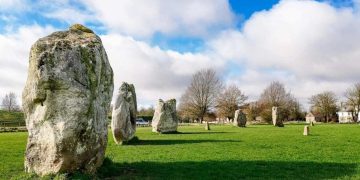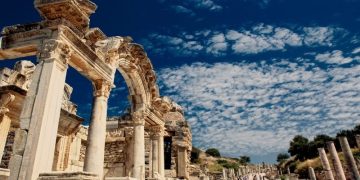










For thousands of years, human civilizations have built remarkable structures—monuments, temples, pyramids, and stone circles—that still captivate our imaginations today. These ancient ruins, scattered across the globe, not only tell us about the cultures and societies that built them but also hint at a deep connection between energy and astronomical observation. Whether it was the Egyptians, the Mayans, or the ancient Europeans, many of these structures seem to have been designed not just for ceremonial or functional purposes, but with a profound understanding of the cosmos and its energy.
The alignment of these sites with celestial bodies, the use of specific materials, and the unexplained mechanisms they contain suggest that the ancients may have been harnessing natural energies for unknown purposes. Some of these energy sources could have been intended for religious rituals, while others might have had practical applications such as agriculture, navigation, or even communication.
This article will explore the relationship between ancient ruins, energy, and astronomical observation, diving deep into the mysteries that surround these monuments and how modern science attempts to unlock the secrets they hold. We will examine the connections between these structures and celestial events, the possible energy mechanisms involved, and the insights we can gain into the advanced knowledge of ancient civilizations.
1. The Role of Ancient Ruins in Astronomical Observation
For millennia, ancient peoples have used the sky as a guide for navigation, agriculture, and religion. Astronomical observation was not just a pastime; it was central to survival and understanding of the world. Across various ancient cultures, we see a pattern of megalithic structures and monumental architecture carefully aligned with celestial events—such as solstices, equinoxes, and planetary movements. These alignments were often more than coincidental, reflecting a sophisticated understanding of the cosmos.
1.1 Megalithic Structures and Astronomical Alignments
Megalithic structures, which are large stone constructions, are common across many ancient cultures. These include stone circles, pyramids, temples, and observatories, all of which demonstrate an intimate relationship between architecture and astronomy.
- Stonehenge (UK): One of the most famous examples of astronomical alignment, Stonehenge, is thought to have been used as a calendar or observatory, aligning with the solstices and lunar cycles. The stones are arranged so that during the summer solstice, the rising sun aligns perfectly with the Heel Stone, marking the event with incredible precision. This alignment suggests that the people who built Stonehenge had a deep understanding of the sun’s path and its significance to life on Earth.
- The Pyramids of Giza (Egypt): The Great Pyramid of Giza is aligned with the cardinal points of the compass with astonishing precision, and the positioning of the pyramids may reflect the alignment of the stars. It is believed that the Egyptians aligned their pyramids with the Orion’s Belt, a prominent constellation associated with the god Osiris, reflecting the importance of celestial observation in their religious and cultural practices.
- Chichen Itza (Mexico): The Mayan pyramid of El Castillo at Chichen Itza is famously aligned with the sun’s movement. During the spring and autumn equinoxes, the shadow cast by the pyramid forms the shape of a serpent that slithers down the steps, symbolizing the serpent god Kukulcán. This alignment underscores the Mayans’ advanced knowledge of both astronomy and the symbolic importance of celestial events in their religious practices.
1.2 The Role of Astronomy in Ancient Religious and Agricultural Practices
Ancient civilizations viewed the heavens as a mirror to the divine. Celestial bodies were often associated with gods, and their movements were believed to influence events on Earth. The alignment of structures like temples and pyramids with celestial events was not just a scientific endeavor but a religious one.
- Agricultural Calendar: Many ancient societies used the stars and the sun to track the changing seasons, ensuring optimal times for planting and harvesting. The ancient Egyptians, for instance, aligned their calendar with the annual flooding of the Nile River, which was connected to the rising of the star Sirius. The floodwaters provided fertile soil for crops, and the timing of this event was crucial to their agricultural success.
- Rituals and Ceremonies: The positioning of structures was often used to mark important dates in religious calendars. Temples like the Temple of Karnak in Egypt or the Temple of Apollo in Delphi, Greece, were designed to align with specific celestial phenomena, such as solstices, eclipses, or the positions of certain planets, during important religious festivals.
2. The Mysterious Energy of Ancient Structures
While the astronomical alignment of ancient structures is well documented, less understood are the potential energetic properties these structures may have harnessed. Some researchers speculate that the ancients understood the Earth’s natural energy grids and designed their monuments to tap into or enhance these forces. This hypothesis is often referred to as the concept of geomancy—the practice of building structures in harmony with Earth’s energy lines.
2.1 Geomancy and Earth’s Energy Grids
One theory is that many ancient civilizations built their structures in locations where the Earth’s natural energy grids intersect. These grids, sometimes referred to as Ley Lines, are thought to represent areas of increased electromagnetic or geomagnetic activity. Some believe that these lines form a network of energy pathways that connect sacred sites around the world.
- Ley Lines and Sacred Sites: The concept of Ley Lines suggests that many ancient monuments and sacred sites, such as Stonehenge, the Great Pyramids, and Machu Picchu, are positioned along these lines. The idea is that the ancients constructed their sites to harness these natural energies for spiritual, healing, or practical purposes.
- Energy Amplification: Certain megalithic structures may have been designed to amplify Earth’s electromagnetic fields. For example, Dolmens (large stone tombs) and Menhirs (upright stones) found in Europe are often placed in regions with geological features known for their magnetic properties. These structures could have served as energy conduits or focal points for ritualistic purposes, amplifying certain frequencies that were believed to have mystical or healing properties.
2.2 Crystal and Mineral Use in Ancient Architecture
Another fascinating aspect of ancient energy use is the possible incorporation of crystals and minerals into the construction of sacred sites. Crystals have been used for thousands of years for their energetic properties, and many ancient cultures may have had an understanding of the power of natural materials.
- Pyramids and Quartz: Some researchers suggest that the ancient Egyptians used quartz crystals in the construction of the Great Pyramid of Giza. Quartz is known to conduct and amplify electromagnetic energy, and it’s theorized that the pyramids may have been designed to channel this energy. Some also believe that the use of certain minerals in sacred sites, such as selenite, could have had healing or energizing effects on those who entered these spaces.
- The Role of Sacred Stones: Stones like limestone (used in the Great Pyramid) or granite (found in ancient temples and monuments) may have also played a role in the energetic properties of these structures. Many ancient cultures, including the Greeks, Romans, and Egyptians, believed in the sacred qualities of certain stones, associating them with the gods or natural forces.
3. Modern Perspectives: Can Ancient Energy Technology Be Recreated?
As modern science continues to explore the potential energy properties of ancient structures, the question arises: could we, using current technology, recreate the energy systems believed to have been harnessed by these ancient civilizations? While some of the theories about ancient energy use remain speculative, certain discoveries point to the possibility that these ancient cultures had a much deeper understanding of energy than we initially realized.
3.1 The Role of Advanced Technology in Uncovering Ancient Energy
In recent years, advancements in technology—such as ground-penetrating radar, electromagnetic field measurements, and 3D mapping—have allowed researchers to uncover hidden aspects of ancient structures that were previously unknown. These technologies have helped archaeologists study the alignment, construction, and material properties of ancient monuments with a level of detail that wasn’t possible in the past.
- Measuring Energy Fields: Some researchers are exploring ways to measure the electromagnetic fields surrounding megalithic structures, using technology similar to that employed in modern energy grids. This could help us understand whether these ancient sites were designed to harness or amplify natural energies.
- Reviving Ancient Knowledge: By studying ancient texts, sacred geometry, and architectural designs, modern scientists and engineers may be able to recreate some of the energy technologies thought to have been used by ancient cultures. Whether for energy generation, healing, or spiritual purposes, these techniques could offer new insights into sustainable energy practices.
3.2 The Ethical and Cultural Considerations
While the scientific investigation of ancient energy technologies is exciting, it is important to approach this subject with respect for the cultural and religious significance of these sites. Many of these ancient structures were created for sacred purposes, and the knowledge behind their design is deeply tied to the cultural identities of the people who built them.
- Cultural Preservation: As we explore these technologies, we must also ensure that we preserve the cultural and historical integrity of the sites themselves. Unauthorized excavations or attempts to replicate ancient systems without understanding their full cultural context could lead to the loss of valuable heritage.
- Responsible Research: Researchers and archaeologists must work alongside indigenous communities and cultural custodians to ensure that the exploration of ancient energy systems respects local traditions and beliefs.
4. Conclusion: Unveiling the Mysteries of the Past
The ancient ruins scattered across the Earth are not just relics of the past but are also windows into the advanced knowledge and spiritual practices of ancient civilizations. Whether through the astronomical alignments of megalithic structures, the possible harnessing of Earth’s natural energies, or the integration of sacred materials, these monuments hold secrets that continue to fascinate and inspire us today.
As modern technology advances and we gain new tools to study the past, we may uncover even more about the ways ancient cultures understood and interacted with the world around them. However, while we may never fully grasp the complexity of their knowledge, we can continue to marvel at the ingenuity and wisdom that these structures represent—a testament to the enduring connection between humanity, the cosmos, and the natural energies of the Earth.
By preserving these ancient sites, studying their histories, and respecting the cultures that created them, we ensure that the mysteries of the past will continue to inspire future generations.