









Introduction
Alaska is often referred to as the “Last Frontier” due to its wild, untouched landscapes and extreme, rugged beauty. While much of the state is known for its striking natural beauty, the remote, uninhabited regions of Alaska—spanning vast expanses of mountains, glaciers, tundra, and forests—are where the wilderness is at its most raw and pristine. These untouched areas have remained largely unchanged for thousands of years, offering a glimpse into an unspoiled natural world.
The Alaskan wilderness is home to a diverse range of ecosystems, from the icy shores of the Arctic to the temperate rainforests of the southeast. The state’s vast uninhabited areas are not only a sanctuary for wildlife but also play a crucial role in maintaining global biodiversity and regulating the Earth’s climate. These lands are also a testament to the resilience of nature, where life continues to thrive despite extreme weather conditions and geographical isolation.
In this article, we will explore Alaska’s uninhabited areas, examining their geographical features, ecosystems, wildlife, and the role they play in global environmental health. We will also discuss the challenges they face due to human activity and climate change, as well as the ongoing efforts to protect these wild and remote regions.
The Geography of Alaska’s Uninhabited Areas
Alaska, the largest state in the United States, covers an area of over 663,000 square miles. Much of this land is remote and largely uninhabited, particularly the northern and western regions, which remain some of the most isolated places on Earth. The state is characterized by a wide range of geographical features, including:
- Arctic Tundra: The northernmost part of Alaska is dominated by the Arctic Tundra, a cold, treeless region that stretches across the state’s Arctic coastline. Here, permafrost creates a unique ecosystem where the ground remains frozen year-round, supporting only hardy plants like mosses, lichens, and low shrubs.
- Glaciers and Icefields: Alaska is home to more than 100,000 glaciers, including the massive Malaspina Glacier and the Harding Icefield. These glaciers carve through the state’s mountains, creating dramatic fjords and valleys, and contribute to the region’s freshwater supply.
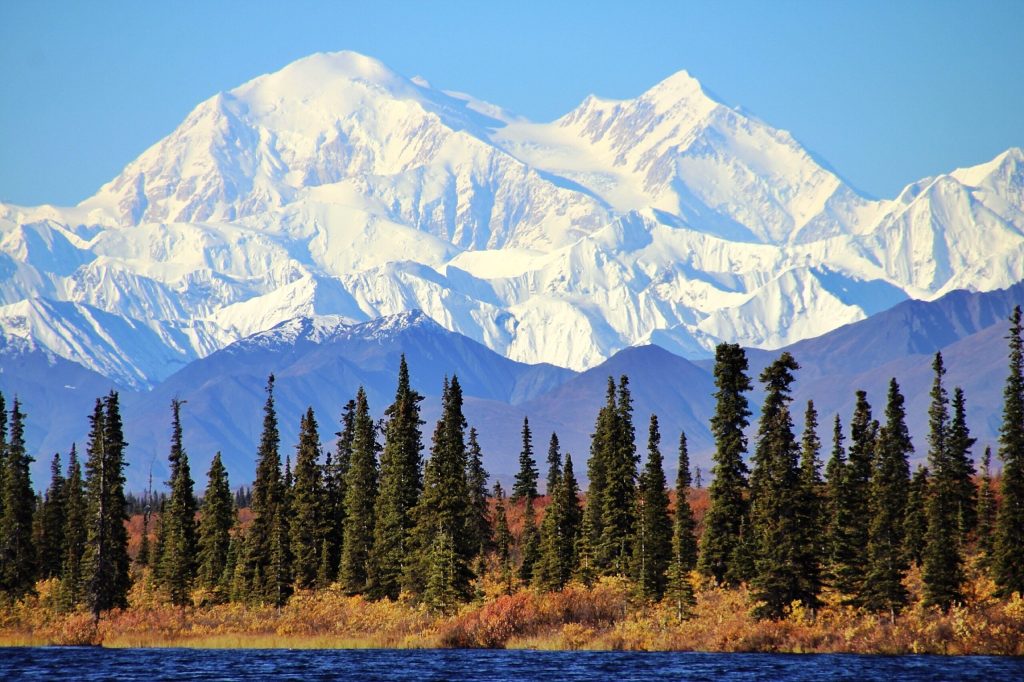
- Mountain Ranges: The Alaska Range, Brooks Range, and the Chugach Mountains are some of the prominent mountain systems in the state. These towering peaks, which include Denali (formerly known as Mount McKinley), North America’s highest mountain, create natural barriers that have historically isolated the northern and southern parts of Alaska.
- Coastal Wilderness: Alaska’s coastline stretches over 33,000 miles, featuring rugged cliffs, pristine beaches, and isolated islands. The Bering Sea to the west and the Arctic Ocean to the north create a complex marine ecosystem, with cold-water currents feeding rich marine life, including whales, seals, and sea birds.
These diverse terrains have shaped the state’s wilderness, creating a habitat for both terrestrial and marine wildlife while serving as an important component of the global ecological system.
Ecosystems of Alaska’s Uninhabited Regions
Alaska’s wilderness encompasses several distinct ecosystems, each with its own set of characteristics, flora, and fauna. The uninhabited areas of Alaska are critical to the survival of numerous species, many of which are endemic to the region or rely on the Alaskan environment for their seasonal migrations.
Arctic Tundra
The Arctic Tundra represents one of the harshest environments on Earth. It is located primarily in northern Alaska, where the temperatures can fall below -40°F (-40°C) in winter. Vegetation is sparse, but life flourishes in its own unique way.
- Flora: The tundra’s plant life consists primarily of mosses, lichens, grasses, and low-lying shrubs. These plants are adapted to survive extreme cold and limited growing seasons, where they must complete their growth cycles in just a few short months.
- Fauna: Despite its inhospitable conditions, the tundra is home to an array of wildlife. Migratory birds, such as the snow goose and the Arctic tern, visit the region during the brief summer to breed. Mammals like the caribou, musk ox, and Arctic fox are well adapted to the cold, sporting thick fur to protect against freezing temperatures. Predators such as the polar bear and the Arctic wolf are apex species in this ecosystem.
Boreal Forests (Taiga)
South of the tundra lies the vast boreal forest, or taiga, which covers much of central Alaska. This forest is characterized by cold winters and short, cool summers, and it is home to a wide variety of coniferous trees, including spruce, fir, and pine.
- Flora: The taiga’s plant life is dominated by evergreen conifers, which are adapted to withstand the region’s long winters. In addition to trees, the forest floor is covered in thick layers of moss and lichen, and in some areas, dense shrubs like willows and birches grow in the underbrush.
- Fauna: The taiga is home to a range of animals, including moose, black bears, and wolves. It is also home to many smaller mammals like squirrels, voles, and lynx, as well as birds like the spruce grouse and northern hawk owl. The presence of large predators like the grizzly bear and the gray wolf plays a key role in maintaining the ecological balance.
Coastal and Marine Ecosystems
Alaska’s coastline and surrounding marine waters support a rich diversity of life, ranging from temperate rainforests to cold-water marine ecosystems.
- Flora: The coastal regions, particularly in the southeastern part of the state, are covered by temperate rainforests dominated by towering Sitka spruce and western hemlock. These forests are some of the largest rainforests in North America and are crucial for the health of the local ecosystem.
- Fauna: Marine life in Alaska is abundant, with species like humpback whales, orcas, sea otters, and seals inhabiting its waters. The state’s oceans also support vital fish populations, including salmon, which are central to the food chain of both wildlife and indigenous human populations.
The Role of Alaska’s Wilderness in Global Biodiversity
Alaska’s uninhabited areas play an integral role in preserving global biodiversity. The state’s ecosystems provide critical habitat for species that are threatened or endangered elsewhere on the planet. Furthermore, Alaska’s wilderness is vital for regulating the global climate.
A Refuge for Endangered Species
Alaska’s wilderness areas act as refuges for a number of species that are either endangered or at risk in other parts of the world. The polar bear, for example, relies on the sea ice of Alaska’s Arctic regions for hunting and breeding. As global warming causes the ice to melt, the polar bear’s habitat is shrinking, making the remaining uninhabited regions of Alaska increasingly important for its survival.
Similarly, the Alaskan brown bear and the gray wolf are apex predators whose presence in the ecosystem helps maintain the balance of herbivore populations. These species are also integral to Alaska’s cultural heritage and tourism economy.
Carbon Sequestration
Alaska’s vast wilderness regions, particularly the boreal forests and tundra, play an essential role in the global carbon cycle. The forests of the Taiga act as carbon sinks, absorbing and storing carbon dioxide from the atmosphere. The tundra’s permafrost, although fragile, also holds vast amounts of carbon that have been stored for thousands of years. However, the ongoing thawing of permafrost due to climate change threatens to release this carbon into the atmosphere, potentially accelerating global warming.
Threats to Alaska’s Wilderness
While Alaska’s wilderness is a critical global resource, it faces several threats from both human activity and environmental changes.
Climate Change
One of the most significant threats to Alaska’s uninhabited regions is climate change. Rising temperatures have led to the thawing of permafrost, which not only threatens the delicate tundra ecosystem but also releases massive amounts of carbon dioxide and methane into the atmosphere. The loss of sea ice, particularly in the Arctic regions, is also affecting marine life and polar bear populations.
Additionally, the increased frequency and severity of wildfires in the boreal forests of Alaska are exacerbating the release of carbon and threatening both plant and animal species that depend on these ecosystems.
Oil and Gas Exploration
Alaska’s vast natural resources, including oil and natural gas, have made it a target for industrial development. While much of the state is protected, there are ongoing efforts to explore and exploit Alaska’s uninhabited areas for oil, gas, and mineral extraction. This can lead to habitat destruction, pollution, and the disruption of local wildlife populations. The construction of pipelines and other infrastructure can also fragment ecosystems and reduce biodiversity.
Wildlife Poaching and Overhunting
Poaching and overhunting pose additional threats to Alaska’s wildlife, particularly the iconic species that draw tourists from around the world. Although hunting is tightly regulated in Alaska, illegal activities continue to threaten the populations of certain animals, including bears, wolves, and moose.
Conservation Efforts and Future Protection
Alaska’s wilderness has been the focus of numerous conservation efforts aimed at protecting its fragile ecosystems and wildlife. The state is home to several national parks and protected areas, including Denali National Park, Wrangell-St. Elias National Park, and Gates of the Arctic National Park, which preserve large portions of the state’s uninhabited wilderness.
Conservation efforts in Alaska also focus on the protection of migratory routes for species like caribou and salmon, as well as the preservation of important habitats for marine life. Indigenous communities are also playing a key role in conservation, advocating for sustainable management of the land and the protection of cultural traditions tied to the wilderness.
Conclusion
Alaska’s uninhabited regions represent some of the most pristine and ecologically significant areas on Earth. From the Arctic Tundra to the coastal rainforests and boreal forests, Alaska’s wilderness supports a wealth of biodiversity and plays a critical role in regulating the global climate. However, these remote landscapes face significant challenges due to climate change, industrial development, and human activity.
Protecting Alaska’s wilderness is not only crucial for the survival of the species that call it home but for the health of the planet as a whole. As the “Last Frontier,” Alaska’s uninhabited areas offer us a glimpse into the raw beauty and resilience of nature, but they also remind us of the urgent need to preserve these irreplaceable ecosystems for future generations.