






Camping offers unparalleled experiences in nature, allowing individuals to connect with the outdoors, enjoy solitude, and experience physical and mental challenges. However, natural hazards such as flash floods and intense rainfall can transform a peaceful camping trip into a life-threatening situation. These incidents highlight the importance of understanding environmental risks, meteorological patterns, campsite selection, preparedness strategies, and emergency response techniques.
This article provides a comprehensive analysis of camping accidents caused by flash floods and heavy rain, covering their causes, environmental factors, physiological impacts, risk mitigation strategies, case studies, and professional recommendations for safe outdoor practice. By exploring these topics, the article serves as both an educational guide and a technical reference for campers, outdoor enthusiasts, and safety professionals.
1. Introduction: Understanding the Risk
Flash floods are rapid-onset floods that occur within minutes to hours after heavy rainfall, typically in mountainous or riverine areas. Unlike seasonal or slow-moving floods, flash floods can develop with little warning, carrying debris, mud, and fast-moving water. Heavy rainfall, especially in high-relief terrain, exacerbates this risk by saturating soil, increasing runoff, and triggering landslides or mudflows.
Camping in flood-prone areas or low-lying valleys increases exposure to these hazards. Understanding the hydrological, meteorological, and geographical factors that contribute to flash flooding is essential for safe outdoor recreation.
2. Causes and Mechanisms of Flash Floods
Flash floods are caused by a combination of natural and environmental factors:
2.1 Meteorological Triggers
- Heavy Rainfall: Short-term intense rainfall events often overwhelm drainage capacity.
- Storm Systems: Thunderstorms, tropical storms, and monsoons deliver large volumes of rain in concentrated areas.
- Snowmelt Contribution: Sudden melting of snowpack can exacerbate flood risks in mountainous regions.
2.2 Topographical and Hydrological Factors
- Steep Terrain: Mountainous slopes accelerate water flow, increasing the risk of sudden flooding in valleys and riverbeds.
- Soil Saturation: Pre-existing wet conditions reduce infiltration capacity, causing rapid surface runoff.
- Narrow Valleys and Canyons: These areas funnel water, intensifying flow speed and debris movement.
2.3 Human Influence
- Deforestation and soil erosion reduce natural water absorption, increasing flood severity.
- Poor trail and campsite placement near rivers or gullies increases exposure.
- Inadequate warning systems or lack of meteorological data can delay preventive action.
3. Physiological and Psychological Impacts of Flash Flood Exposure
Exposure to flash floods and extreme rainfall can have severe consequences for campers:
3.1 Physical Impacts
- Trauma: Collisions with debris, rocks, or fallen trees can cause fractures, head injuries, or internal trauma.
- Drowning Risk: Rapidly rising water levels can submerge tents and sweep campers downstream.
- Hypothermia: Wet clothing, low temperatures, and prolonged immersion in cold water increase the risk of hypothermia.
3.2 Psychological Effects
- Acute Stress Reaction: The sudden onset of danger can trigger panic, impairing decision-making.
- Post-Traumatic Stress: Survivors may experience lasting anxiety, fear of outdoor activities, or sleep disturbances.
- Group Dynamics: Fear and confusion can disrupt teamwork, leading to delayed evacuation or unsafe choices.
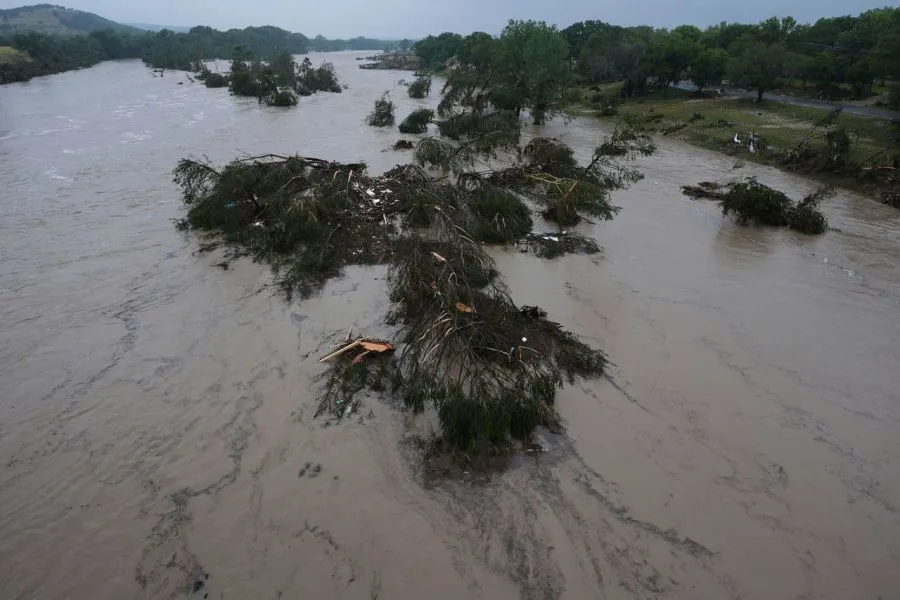
4. Risk Assessment and Campsite Selection
Minimizing risk requires careful planning and site selection:
4.1 Topographical Analysis
- Avoid low-lying areas, riverbanks, or dry creek beds prone to sudden flooding.
- Favor elevated terrain with stable soil and clear drainage patterns.
- Consider slope angle and proximity to potential landslide zones.
4.2 Meteorological Awareness
- Review local weather forecasts, including radar, precipitation probability, and storm warnings.
- Understand seasonal rainfall patterns and historical flood events in the area.
- Maintain access to real-time alerts via mobile applications or satellite devices.
4.3 Infrastructure Considerations
- Select campsites with natural barriers such as ridges or elevated rock formations.
- Avoid campsites with overhanging trees prone to falling during storms.
- Ensure access to multiple evacuation routes.
5. Equipment and Preparedness Strategies
Proper equipment and preparation can reduce injury and increase survival chances:
5.1 Shelter and Clothing
- Waterproof tents with secure anchoring systems
- Rainproof clothing and layered insulation to prevent hypothermia
- Elevated sleeping platforms to avoid ground moisture
5.2 Emergency Supplies
- Portable water and high-calorie emergency food
- First-aid kits with hypothermia treatment and trauma care supplies
- Communication devices, including emergency beacons or satellite phones
5.3 Navigation and Evacuation Tools
- Topographic maps and GPS devices
- Knowledge of alternate escape routes
- Emergency signaling devices (whistles, flares)
6. Flood Survival Techniques
Knowledge of survival techniques significantly increases the chance of surviving a flash flood:
6.1 Immediate Response
- Evacuate immediately upon signs of rising water.
- Move to higher ground, avoiding riverbeds and narrow valleys.
- Avoid walking or swimming through fast-moving water; even shallow flow can sweep a person off their feet.
6.2 Group Safety
- Maintain group cohesion, assigning roles for monitoring and assisting vulnerable members.
- Use ropes or trekking poles for stability in turbulent water.
- Keep emergency supplies accessible at all times.
6.3 Post-Flood Measures
- Seek medical evaluation for trauma, hypothermia, or waterborne infections.
- Report hazards to local authorities to warn other campers.
- Document the incident for insurance or research purposes.
7. Case Studies of Camping Accidents
Analyzing historical incidents provides insights for prevention:
7.1 Rocky Mountain Flash Floods
In the Colorado Rockies, sudden summer thunderstorms have swept campers downstream, emphasizing the importance of avoiding streamside campsites and monitoring weather closely.
7.2 Himalayan Monsoon Incidents
Heavy monsoon rainfall in Nepal has led to sudden landslides and river swelling, demonstrating the compounding risks of terrain, precipitation, and remote location.
7.3 European Mountain Camping Hazards
Alpine regions in Europe have recorded flash floods during summer storms, with tents and vehicles destroyed in minutes. Preparedness, rapid evacuation, and monitoring river levels have mitigated fatalities.
8. Legal and Ethical Responsibilities
Camping in flood-prone regions carries responsibilities:
- Adhere to local regulations and permits, which often include hazard advisories.
- Respect conservation and land management policies to prevent exacerbating erosion or blockage of natural drainage.
- Educate companions or group members about potential hazards and evacuation procedures.
9. Technological Aids for Flood Safety
Modern technology enhances safety in remote camping:
- Weather Apps: Provide real-time precipitation alerts and storm tracking.
- Remote Sensors: Flood gauge sensors can indicate rising water levels in rivers or valleys.
- Satellite Communication: Allows emergency alerts even without cellular coverage.
- Drones: Pre-trip reconnaissance using aerial imagery helps identify risky terrain and potential hazards.
10. Risk Mitigation Strategies for Outdoor Organizations
Organizations coordinating group camping trips can implement structured safety protocols:
- Pre-trip hazard assessment and contingency planning
- Mandatory weather briefings and safety drills
- Installation of temporary barriers or drainage systems in high-risk campsites
- Coordination with local authorities for early warning systems
11. Psychological Preparedness and Decision-Making
In emergencies, mental resilience is as important as physical preparedness:
- Situational Awareness: Constantly monitor environmental cues such as rising water, darkening skies, and distant thunder.
- Risk Assessment: Evaluate options quickly, balancing speed of evacuation against potential hazards.
- Stress Management: Deep breathing, communication, and role assignment help reduce panic and maintain group cohesion.
12. Environmental Lessons and Climate Change Considerations
Climate change increases the frequency and intensity of extreme rainfall events, impacting camping safety:
- Increased unpredictability of flash floods in historically safe areas.
- Expansion of flood-prone zones due to deforestation and altered rainfall patterns.
- Necessity for updated hazard mapping and climate-adapted camping guidelines.
Understanding these trends is essential for long-term risk management and sustainable outdoor recreation.
13. Conclusion
Flash floods and heavy rainfall pose serious risks to campers, yet with informed preparation, strategic site selection, proper equipment, and situational awareness, many incidents are preventable. These natural hazards underscore the delicate balance between adventure and safety, requiring respect for environmental forces and personal limitations.
Key takeaways include:
- Always monitor weather forecasts and environmental cues.
- Choose elevated, well-drained campsites and avoid river valleys.
- Maintain accessible emergency equipment and communication tools.
- Acclimate mentally and physically to rapid response scenarios.
By integrating knowledge, preparedness, and respect for natural forces, campers can enjoy the outdoors while minimizing the life-threatening risks associated with flash floods and heavy rain. Safety, vigilance, and proactive planning transform hazardous conditions into manageable challenges, allowing the beauty of nature to be appreciated without unnecessary peril.