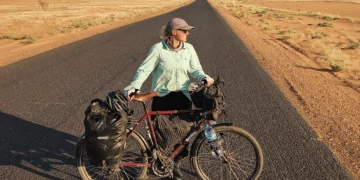










In the world of extreme adventure and sports, few feats stand out as boldly as cycling around the globe. The idea of traversing continents, experiencing diverse cultures, and pushing the boundaries of human endurance—on a bicycle—has captivated explorers, athletes, and filmmakers alike. Cycling documentaries have become a genre in their own right, offering an intimate look at the challenges, triumphs, and personal transformations that occur during such an ambitious endeavor. This article delves into the remarkable world of bicycle world tours, exploring the inspirations behind these journeys, the challenges faced, the lasting impact of such adventures, and the growing popularity of cycling documentaries.
1. The Concept of Cycling Around the World
Cycling around the world is not merely about covering the maximum distance; it is a journey of self-discovery, cultural exchange, and environmental awareness. A world bicycle tour often involves a cyclist pedaling across multiple continents, encountering a range of terrains, from mountains to deserts, bustling cities to remote villages.
1.1 The Appeal of Cycling as a Global Adventure
The bicycle, often seen as a symbol of freedom, offers a unique way to explore the world. Unlike motorized transportation, cycling allows travelers to experience their surroundings at a slower pace, offering a more immersive connection with the land, people, and cultures they pass through.
- Environmental Sustainability: Cycling is one of the most environmentally friendly ways to travel, emitting no greenhouse gases and reducing carbon footprints.
- Physical and Mental Challenge: Cycling long distances requires significant physical endurance, but it is also a mental battle. The rider’s persistence, decision-making, and ability to adapt to unforeseen circumstances are continuously tested.
- Cultural Immersion: A world bicycle tour allows travelers to engage with local communities in a unique way. Without the barrier of a car or tour bus, cyclists often find themselves interacting more with locals, learning firsthand about their traditions, values, and lifestyles.
1.2 Historical Context and Popularity
The history of cycling as a mode of travel dates back to the late 19th century when the invention of the bicycle revolutionized transportation. However, the idea of cycling long distances—let alone around the world—only gained serious traction in the 20th century, as improved road infrastructure and the growth of the global cycling community made such journeys more feasible.
In modern times, cycling documentaries have emerged as a way to share these epic journeys with a global audience. These films capture not just the landscapes but also the emotional journey of the cyclist. Documentaries like “The Bicycle Diaries” and “World’s Longest Ride” have inspired millions of people to pursue their own cycling adventures.
2. Preparing for a World Bicycle Tour
Cycling around the world is not a decision made lightly. Such a journey demands rigorous preparation, both physically and logistically. Whether you’re planning to bike through the sprawling continents of Europe, Africa, and Asia or trek through the rugged mountains and deserts of the Americas, the planning stage is crucial to ensure a successful and safe trip.
2.1 Physical Preparation: Building Endurance and Strength
Cycling for hours, sometimes days, on end requires a level of physical conditioning that cannot be achieved overnight. Riders need to focus on building strength, stamina, and mental toughness.
- Endurance Training: The foundation of any long-distance cycling adventure is endurance. Riders must gradually increase their mileage, focusing on long rides that simulate the conditions of a world tour. Training should also include hill climbs and sprints to ensure a balanced level of fitness.
- Core and Leg Strength: Cycling engages several muscles, especially in the legs. A good training regimen should include weight training and core strengthening exercises to support the lower back and improve pedaling efficiency.
- Mental Conditioning: Long-distance cycling can be as mentally challenging as it is physically demanding. Riders must train their minds to overcome fatigue, pain, isolation, and moments of doubt.
2.2 Logistical Planning: Mapping the Journey
One of the most significant challenges of a world bicycle tour is planning the route. Riders need to consider multiple factors, including geography, climate, political situations, and available resources.
- Route Selection: The first step is determining the most practical and safe route. Many riders choose well-established routes like the Silk Road, Pan-American Highway, or EuroVelo routes, which offer a good balance of scenic beauty and accessibility.
- Visa and Border Requirements: International travel means navigating visa requirements, political borders, and legal restrictions. Some regions may require permits or proof of funds, while others may pose potential risks due to conflict or unstable governments.
- Accommodations and Support: Riders need to decide whether they will camp, stay in hotels, or rely on hospitality from locals. Depending on the route, cyclists may need to plan their journey around towns or cities where they can restock supplies and recover.
- Safety Measures: Cycling through remote areas means that safety is paramount. Riders must plan for emergencies, including carrying tools for bike repairs, having a satellite phone or GPS device for navigation, and knowing how to handle medical issues in isolated areas.
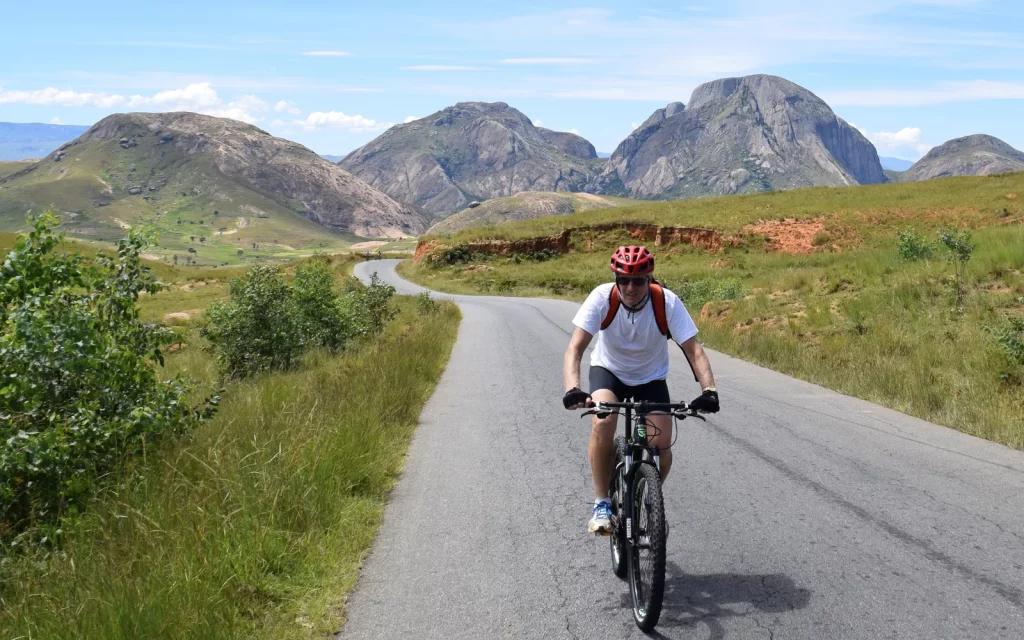
3. Challenges Faced on a World Bicycle Tour
A world bicycle tour is a test of not only physical endurance but also resilience in the face of adversity. Cyclists often encounter unexpected challenges that require them to adapt and overcome.
3.1 Harsh Terrain and Weather Conditions
Cycling through diverse climates and terrains means facing unpredictable weather conditions. From the frozen landscapes of Siberia to the sweltering heat of the Sahara, weather can be one of the most challenging factors.
- Mountainous Regions: Steep climbs and high-altitude terrain can be physically taxing. Riders need to build the strength and strategy to handle long, grueling ascents, as well as the skills required for descending safely.
- Extreme Heat and Cold: Extreme temperatures, whether they be blistering heat in deserts or freezing conditions in higher altitudes, test a cyclist’s equipment and endurance. Riders must carefully plan their clothing, hydration, and equipment for each climate.
- Unpredictable Weather: Storms, floods, and strong winds can all pose a serious threat to cyclists. Adapting to changing weather patterns requires flexibility, quick thinking, and an understanding of how to protect oneself from the elements.
3.2 Navigating Different Cultures and Languages
Cycling through different countries and interacting with people from varied cultures presents both opportunities and challenges.
- Language Barriers: Not speaking the local language can create difficulties when seeking directions, food, or accommodation. Cyclists must develop non-verbal communication skills or learn basic phrases to get by.
- Cultural Sensitivity: In many parts of the world, certain behaviors or dress codes may be considered offensive. Travelers must educate themselves on cultural norms to avoid misunderstandings and build positive relationships with locals.
- Hospitality and Support: While many travelers may experience the kindness of strangers, there are also regions where cyclists are met with suspicion or hostility. Understanding how to navigate these situations with diplomacy and respect is key to having a successful journey.
4. The Role of Documentaries in Cycling Around the World
Cycling around the world is an extraordinary feat that has captured the imaginations of people worldwide. Through the lens of documentary filmmaking, these journeys are brought to life, inspiring others to take their own step toward global exploration.
4.1 The Popularity of Cycling Documentaries
Over the past decade, cycling documentaries have become a popular medium for storytelling, offering insights into the physical, emotional, and mental challenges of global cycling tours.
- Documentary Style and Impact: These documentaries often follow the cyclists’ journey, highlighting their struggles, triumphs, and interactions with the world. Through captivating cinematography, viewers are transported to the frontlines of adventure, experiencing the beauty of diverse landscapes and the raw emotions of the riders.
- Impact on Viewers: Documentaries like “Ride the Divide”, “The Bicycle Diaries”, and “The Long Way Up” have helped foster a deeper appreciation for the sport of cycling and the spirit of adventure. These films have inspired individuals to embark on their own journeys, proving that a world bicycle tour is within reach for anyone willing to put in the effort.
4.2 Key Documentaries to Watch
- “Ride the Divide”: This documentary follows the world’s toughest mountain bike race, the Tour Divide, a 2,700-mile ride across the Rockies. The film offers a raw look at the physical and mental challenges faced by participants.
- “The Long Way Up”: Starring Ewan McGregor and Charley Boorman, this documentary chronicles their motorcycle journey from the southernmost tip of Argentina to Los Angeles, though the documentary also includes elements of cycling travel.
- “The Bicycle Diaries”: Written and narrated by David Byrne, this documentary delves into the experience of cycling around the world, blending a personal narrative with environmental reflections.
5. Conclusion: The Enduring Allure of Cycling Around the World
Cycling around the world is one of the most challenging yet rewarding adventures a person can undertake. It is an exploration of the self, of the world around us, and of the interconnectedness between human beings and the planet. Through the lens of documentary filmmaking, the world of global cycling has been brought to life, giving audiences a window into the courage, determination, and humanity of those who attempt such remarkable feats.
Whether as a personal goal or as a source of inspiration, cycling around the world has become a symbol of resilience, freedom, and the profound beauty of our planet. And with the continued popularity of bicycle world tour documentaries, the stories of these epic journeys will continue to inspire new generations of travelers to pursue their own dreams of adventure, one pedal stroke at a time.