









In the world of survival, there exists a category of challenges that test the limits of human endurance, ingenuity, and resilience. These are extreme survival challenges—highly demanding scenarios where the stakes are life and death. From surviving in freezing polar regions to enduring grueling desert conditions, these challenges require individuals to push their physical and mental boundaries to their absolute limits.
This article delves into the nature of extreme survival challenges, examining the skills, risks, preparation, and mental fortitude required to face these extraordinary tests. Through real-life examples and expert insights, we will explore what it takes to survive in some of the harshest environments on the planet.
1. Understanding Extreme Survival Challenges
At its core, an extreme survival challenge is any situation in which individuals are forced to survive in conditions that push the boundaries of human capacity. These challenges often involve limited resources, harsh weather conditions, and life-threatening scenarios. Whether it’s being stranded in the Arctic tundra, navigating through the Saharan desert, or surviving in a dense rainforest, extreme survival challenges push participants to rely on their instincts, experience, and training to overcome the odds.
1.1 The Elements of an Extreme Survival Challenge
Extreme survival challenges are defined by certain characteristics:
- Extreme Environmental Conditions: These challenges take place in some of the world’s most hostile environments, such as extreme cold, intense heat, or rugged terrain. These conditions increase the physical and psychological difficulty of survival.
- Minimal Resources: Participants typically have limited access to food, water, shelter, and equipment, forcing them to rely on their skills, adaptability, and resourcefulness.
- High Physical and Mental Demands: Surviving in extreme conditions requires not only physical endurance but also mental strength. The mental toll of isolation, fear, and stress can be just as challenging as the physical demands of the environment.
- Uncertainty and Danger: Extreme survival challenges often come with an inherent risk to life and limb. Participants may encounter dangerous animals, unpredictable weather, or even life-threatening injuries.
2. Types of Extreme Survival Challenges
There are numerous types of extreme survival challenges, each offering a unique set of circumstances and risks. Below are some of the most common types of extreme survival scenarios that individuals may face:
2.1 The Arctic Survival Challenge
Environment: Freezing temperatures, harsh winds, and barren landscapes.
Challenges: Hypothermia, frostbite, limited food, and shelter.
Surviving in the Arctic or sub-Arctic regions is one of the ultimate tests of human endurance. With temperatures often dropping below -40°C (-40°F) and the wind chill exacerbating the cold, the Arctic environment can be brutally unforgiving. In these conditions, survival depends on proper insulation, shelter, and fire-starting techniques.
In these regions, exposure is a major risk factor. Hypothermia can set in quickly, and without adequate clothing and shelter, the human body loses heat faster than it can replace it. Survival experts rely on techniques such as building snow caves, using layers of thermal clothing, and navigating the ice fields using tools like compasses and GPS systems.
- Key Skills for Arctic Survival:
- Shelter Construction: Knowing how to construct an emergency shelter, such as an igloo or snow cave, is essential.
- Water Procurement: Melting snow and ice can provide drinkable water, but it must be done safely to avoid contaminating it.
- Fire Starting: A fire in the Arctic environment is crucial for warmth and cooking. Starting a fire in wet conditions, however, requires specialized knowledge and equipment, like waterproof matches or a firestarter.
2.2 The Desert Survival Challenge
Environment: Extreme heat, dry conditions, and lack of shade or water.
Challenges: Dehydration, heatstroke, sunburn, exhaustion.
The desert represents one of the most inhospitable environments on Earth. With temperatures soaring during the day and dropping dramatically at night, surviving in the desert requires individuals to be prepared for both extremes. The lack of water sources and the risk of dehydration make desert survival especially critical.
In the desert, water is the most vital resource. Without it, dehydration sets in quickly, leading to confusion, fatigue, and eventually death. Recognizing signs of dehydration and knowing how to ration water can be the difference between survival and disaster.
- Key Skills for Desert Survival:
- Water Conservation: Knowledge of how to ration water and use desert resources, like cacti or plant moisture, is essential.
- Sun Protection: Techniques such as building shelters to block out the sun, covering exposed skin, and using natural materials for shade are vital for preventing heatstroke.
- Navigation: With vast, featureless landscapes, the ability to navigate using the sun, stars, or landmarks is crucial for finding your way to safety.
2.3 Jungle and Rainforest Survival
Environment: Humid, dense vegetation, and unpredictable weather.
Challenges: Insects, diseases, flooding, navigation, and food procurement.
The dense tropical rainforests of the world, such as the Amazon or Congo Basin, pose their own set of survival challenges. These ecosystems are filled with dangerous wildlife, such as venomous snakes and insects, and can also expose participants to diseases like malaria and dengue fever.
Water sources in the jungle are abundant, but not all water is safe to drink. Knowing how to purify water from rivers and streams is critical for survival. Additionally, food is often scarce and must be obtained through hunting, fishing, or foraging for edible plants. Survival in the jungle requires deep knowledge of the environment and the ability to adapt quickly to changing conditions.
- Key Skills for Jungle Survival:
- Water Filtration: Using natural resources like charcoal, sand, or rocks to purify water from streams.
- Food Gathering: Identifying edible plants, fruits, and insects, as well as how to trap small animals for food.
- Navigating Through Dense Forests: Using basic compass skills and understanding how to orient yourself in the wilderness is crucial in avoiding disorientation.
2.4 The High-Altitude Survival Challenge
Environment: Thin air, extreme cold, and rugged, mountainous terrain.
Challenges: Altitude sickness, exhaustion, lack of oxygen, frostbite.
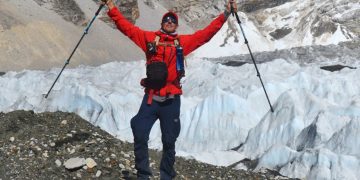
High-altitude environments, such as Himalayan peaks or Andean summits, represent one of the most physically demanding survival challenges. The air is thin, making it difficult to breathe and increasing the risk of altitude sickness. Extreme cold and unpredictable weather add further difficulties.
High-altitude survival requires specialized training in how to properly manage oxygen levels, regulate body temperature, and navigate difficult terrain. Additionally, food and water resources are often scarce, making efficient use of rations critical.
- Key Skills for High-Altitude Survival:
- Acclimatization: Gradually ascending to higher altitudes allows the body to adjust to thinner air, reducing the risk of altitude sickness.
- Clothing Layers: Proper layering of clothing is necessary to combat the cold and conserve body heat.
- Oxygen Management: Using supplemental oxygen when necessary and recognizing the early signs of oxygen deprivation can be life-saving.

3. The Importance of Preparation and Training
While extreme survival challenges are unpredictable, preparation can significantly increase an individual’s chances of success. Before engaging in extreme survival challenges, proper training and equipment are essential.
3.1 Knowledge and Skills
Survival training often focuses on the core skills needed to handle extreme situations, including:
- First-Aid and Medical Knowledge: Knowing how to treat wounds, administer CPR, and deal with hypothermia or heatstroke is crucial in any survival scenario.
- Fire-Starting: Mastering fire-starting techniques with limited resources is a key skill in many survival challenges.
- Navigation: Being able to read maps, use a compass, or navigate using natural landmarks is critical, especially in environments with few clear paths.
3.2 Mental Fortitude
Perhaps the most significant aspect of extreme survival challenges is mental resilience. Survival is as much about the mind as it is about the body. The ability to stay calm under pressure, maintain a positive attitude, and think critically can often be the deciding factor between life and death.
Survivors need to be able to:
- Manage Fear and Anxiety: Fear is a natural response to danger, but it must not overwhelm decision-making abilities.
- Stay Focused on the Essentials: Keeping your attention on the most important tasks—such as finding shelter, water, and food—will help avoid distractions that can waste valuable time and energy.
- Maintain Motivation: In extreme conditions, it’s easy to give up. But staying focused on survival goals and maintaining a strong will to live is essential for overcoming the challenge.
3.3 Equipment
While skills are essential, the right equipment can provide a vital advantage. Survival kits often include:
- Multi-tools: Compact tools like knives, fire starters, and screwdrivers can serve multiple functions.
- Water Purification Systems: Portable water filters or purification tablets make water safe to drink.
- Shelter Materials: A good survival kit may include tents, tarps, or emergency blankets to provide warmth and shelter.
- Navigation Tools: A compass, GPS device, and a map can help you stay on track in unfamiliar terrain.
4. Conclusion: Surviving the Ultimate Challenge
Extreme survival challenges are not for the faint of heart. They require careful preparation, specialized skills, and an indomitable spirit. But they also offer the opportunity for immense personal growth, an unparalleled understanding of nature, and the discovery of what it truly means to survive. Whether battling freezing temperatures in the Arctic, enduring the relentless heat of the desert, or navigating the treacherous jungles of the world, the ability to rise to the occasion is what separates those who thrive from those who fail.
Ultimately, extreme survival challenges are not just about surviving—they are about pushing the boundaries of human potential, mastering the elements, and proving that when faced with adversity, humans can endure and prevail.