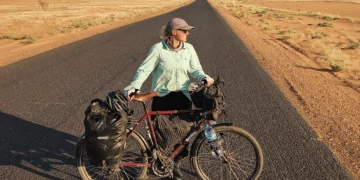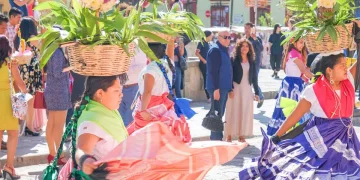










In the modern era, travelers are increasingly rejecting traditional sightseeing-focused itineraries in favor of immersive experiences that connect them with local cultures, daily life, and communities. The shift from passive tourism to active participation in local routines reflects a deeper desire for authenticity, cultural understanding, and meaningful engagement with the destinations they visit.
This comprehensive guide explores the rise of immersive travel, examining its motivations, practical strategies, challenges, and benefits. Drawing on examples from around the world, the article provides insights into professional approaches for travelers, tourism operators, and policymakers seeking to foster culturally sensitive, sustainable, and transformative travel experiences.
1. The Evolution of Travel Preferences
1.1 From Scenic Tourism to Experiential Travel
- Traditional tourism emphasizes visiting landmarks, natural attractions, and famous sites.
- Modern travelers increasingly value experiences such as participating in local festivals, cooking classes, or community projects.
- Immersive travel emphasizes interaction, understanding, and co-creation of experiences rather than passive observation.
1.2 Drivers of the Shift
- Digital Influence: Social media platforms highlight authentic experiences, inspiring travelers to seek similar engagement.
- Cultural Curiosity: A growing desire to understand local customs, languages, and lifestyles.
- Sustainability Awareness: Travelers recognize the social and environmental impacts of mass tourism and seek responsible alternatives.
- Personal Growth: Immersive experiences enhance empathy, adaptability, and cultural intelligence.
2. Forms of Immersive Travel
2.1 Community-Based Tourism (CBT)
- Travelers participate in activities organized by local communities.
- Examples: homestays, cooperative handicraft workshops, and guided village tours.
- Benefits: supports local economies, preserves cultural heritage, fosters meaningful interactions.
2.2 Culinary and Food Experiences
- Cooking classes with local chefs, market visits, or farm-to-table activities.
- Learning traditional food preparation and sharing meals fosters a deeper connection with local life.
2.3 Cultural Festivals and Daily Rituals
- Participation in religious ceremonies, seasonal festivals, or local celebrations.
- Travelers gain firsthand insight into societal values, history, and artistic expressions.
2.4 Volunteering and Social Engagement
- Short-term projects such as teaching, conservation, or community development.
- Provides travelers with a sense of purpose while benefiting host communities.
2.5 Adventure and Environmental Immersion
- Activities that combine exploration with local lifestyles, such as fishing with residents, shepherding, or rice harvesting.
- Encourages appreciation of natural landscapes and traditional ecological knowledge.

3. Planning an Immersive Travel Experience
3.1 Research and Preparation
- Identify local customs, languages, and etiquette.
- Learn basic phrases in the local language to enhance communication.
- Understand social norms and gender roles to prevent cultural misunderstandings.
3.2 Selecting Destinations
- Emerging and rural destinations often offer richer immersion opportunities.
- Consider accessibility, infrastructure, and safety.
- Evaluate authenticity versus commercialization; seek experiences designed for genuine cultural engagement.
3.3 Accommodations and Living Arrangements
- Homestays, guesthouses, and locally managed lodges are preferred for deeper cultural integration.
- Long-term stays enable observation of daily routines, festivals, and social interactions.
- Minimize use of large international hotel chains to support local economies.
4. Navigating Cross-Cultural Interactions
4.1 Communication Skills
- Active listening and respectful questioning encourage trust and openness.
- Non-verbal cues, gestures, and body language are crucial in diverse cultural contexts.
4.2 Building Relationships with Hosts
- Participate willingly and respectfully in household chores or local work.
- Contribute meaningfully without imposing foreign perspectives.
- Observe local practices to avoid inadvertently offending hosts.
4.3 Understanding Social Norms
- Respect sacred spaces, attire conventions, and religious practices.
- Recognize differences in time perception, personal space, and communal activities.
- Adapt behavior to local customs without compromising personal values.
5. The Role of Technology
5.1 Digital Tools for Planning
- Online platforms, travel blogs, and forums provide insights into authentic experiences.
- Apps and mapping tools help identify local events, markets, and workshops.
5.2 Maintaining Cultural Sensitivity
- Avoid exploitative photography; always seek consent before capturing images of individuals.
- Share experiences responsibly on social media to respect privacy and dignity.
5.3 Enhancing Immersion
- Use translation apps to communicate when language barriers exist.
- Participate in virtual cultural orientation or pre-arrival sessions.
- Digital storytelling tools can document experiences while preserving cultural integrity.
6. Economic and Social Impacts
6.1 Supporting Local Economies
- Spending on local services, guides, and products creates direct financial benefits for communities.
- Encourages sustainable entrepreneurship and skill development.
6.2 Preserving Cultural Heritage
- Immersive tourism motivates communities to maintain traditional crafts, performances, and rituals.
- Prevents cultural erosion caused by mass tourism focused on photo opportunities rather than participation.
6.3 Challenges and Risks
- Cultural commodification: Experiences may be altered primarily for tourist consumption.
- Economic disparity: Wealthier travelers may unintentionally create dependency or social imbalance.
- Environmental pressure: Increased visitation requires careful resource management.
7. Health, Safety, and Ethical Considerations
7.1 Personal Safety
- Understand local health risks, vaccination requirements, and emergency services.
- Carry travel insurance and maintain awareness of surroundings.
7.2 Cultural Ethics
- Obtain consent before entering homes, participating in rituals, or photographing individuals.
- Avoid imposing values or behaviors that conflict with local traditions.
7.3 Environmental Responsibility
- Minimize plastic usage, littering, and disruption to natural habitats.
- Respect wildlife and sustainable harvesting practices.
8. Practical Strategies for Travelers
8.1 Immersive Planning Tips
- Engage with local guides who have strong community ties.
- Prioritize quality over quantity: fewer experiences with deeper engagement.
- Allocate flexible schedules to allow spontaneous interaction and observation.
8.2 Time Management
- Balance structured activities (classes, tours) with unstructured observation (market visits, neighborhood walks).
- Stay long enough in one location to understand seasonal routines and social dynamics.
8.3 Learning and Reflection
- Maintain a travel journal or digital record of experiences and insights.
- Reflect on differences in values, lifestyle, and societal priorities.
- Share knowledge respectfully with peers and social networks, fostering cultural appreciation.
9. Case Studies of Immersive Travel Experiences
9.1 Southeast Asia: Village Homestays
- Example: Northern Thailand or rural Vietnam, travelers live with local families, participate in farming, cooking, and cultural rituals.
- Benefits: Hands-on understanding of daily life, agricultural practices, and familial structures.
9.2 Europe: Artisan Workshops
- Example: Tuscany or Provence, travelers attend pottery, cheese-making, or wine production classes.
- Cultural impact: Preserves traditional craftsmanship and supports small businesses.
9.3 Latin America: Community Projects
- Example: Ecuador or Guatemala, travelers contribute to school construction or ecological restoration projects.
- Social impact: Builds community infrastructure while fostering meaningful cross-cultural exchange.
9.4 Africa: Safari and Tribal Engagement
- Example: Maasai or Himba communities, travelers learn traditional lifestyles while supporting cultural tourism.
- Ethical considerations: Ensure tourism practices benefit local communities without exploiting traditions.
10. The Transformative Power of Immersion
10.1 Personal Growth
- Develops empathy, cultural sensitivity, and problem-solving skills.
- Encourages adaptability in unfamiliar or challenging environments.
- Enhances appreciation for diversity and alternative perspectives.
10.2 Social Connection
- Fosters genuine friendships and cross-cultural networks.
- Reduces stereotypes by promoting firsthand understanding.
10.3 Lasting Impact
- Experiences shape future travel choices toward sustainability and authenticity.
- Travelers often advocate for responsible tourism and community support upon return.
11. Challenges and Solutions
11.1 Language Barriers
- Learn basic phrases; use translation apps or bilingual guides.
- Patience and observation complement verbal communication.
11.2 Misaligned Expectations
- Clarify goals and limitations with hosts.
- Approach activities with humility and openness.
11.3 Balancing Tourism and Privacy
- Avoid overstaying or overwhelming host communities.
- Respect private spaces and social norms.
11.4 Environmental and Social Sustainability
- Select certified community-based tourism providers.
- Contribute responsibly without altering traditional routines.
12. Future Trends in Immersive Travel
- Growth in eco-tourism and sustainable tourism certifications.
- Integration of digital storytelling and virtual pre-experiences to enhance immersion.
- Increased collaboration between travelers and local communities for co-created experiences.
- Expansion of multi-day cultural immersion programs for deeper engagement beyond short-term visits.
13. Conclusion
Modern travelers are no longer content with simply observing scenic views or iconic landmarks; they seek authentic engagement with local cultures, communities, and daily life. Immersive travel offers transformative experiences, combining cultural education, personal growth, and meaningful contributions to local economies.
By prioritizing cultural sensitivity, sustainability, and ethical participation, travelers can create experiences that benefit both themselves and host communities. Whether through homestays, culinary experiences, volunteering, or participation in local rituals, immersion in local life fosters empathy, understanding, and a deeper appreciation for the diversity of human experience.
The shift from scenic tourism to immersive cultural engagement represents not only a change in travel preferences but also a movement toward more responsible, ethical, and transformative tourism practices. Travelers who embrace this approach discover richer narratives, lasting connections, and profound personal and societal benefits, redefining the meaning of modern exploration.