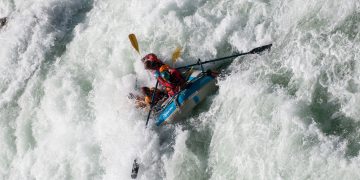










Survival in extreme or dangerous environments is not just about physical strength or the ability to endure; it is equally about understanding, assessing, and managing the risks involved. In both outdoor adventures and emergency situations, the ability to accurately judge and respond to survival risks can mean the difference between life and death. Survival risk assessment is an essential skill for anyone venturing into the wilderness, participating in high-risk activities, or even navigating urban environments during crises. This article explores the principles of survival risk assessment, breaking down the factors involved in making critical decisions in life-threatening situations.
1. The Importance of Risk Assessment in Survival
When faced with a survival scenario, individuals are forced to make quick decisions about their safety, their environment, and the resources available to them. Understanding the risks involved can guide those decisions, helping to avoid dangerous situations and improve the likelihood of survival.
1.1 Defining Survival Risk
Survival risk is the potential danger posed by environmental factors, wildlife, terrain, or even human intervention. It encompasses everything from the obvious risks, such as extreme weather or dangerous animals, to more subtle factors like fatigue, disorientation, and dehydration. A survival risk assessment involves identifying, analyzing, and prioritizing these risks to make informed decisions about the best course of action.
- Physical Risks: These include dangers like extreme temperatures, avalanches, flooding, or falls. These risks are often immediate and can be life-threatening in a short time frame.
- Psychological Risks: Psychological factors such as fear, stress, and panic can impair judgment and decision-making. It’s essential to assess not only the physical but also the mental toll of a situation.
- Resource Risks: A lack of food, water, shelter, or medical supplies can significantly impact survival chances. Managing resources effectively is key to ensuring safety and longevity in survival scenarios.
1.2 The Psychology of Survival Risk
Humans have evolved to respond to risk through fight or flight mechanisms. However, when in a survival situation, these natural instincts may not always provide the most rational course of action. The key to survival is not merely reacting instinctively but applying rational thinking to assess the situation and reduce the associated risks.
- Cognitive Biases: In high-stress situations, cognitive biases can cloud judgment. Survivors may overestimate their abilities or underestimate the severity of the situation. Recognizing these biases and taking a step back to assess risks objectively can improve decision-making.
- Stress and Panic: Panic is often a response to perceived immediate danger. It can impair rational thinking and lead to impulsive actions that worsen the situation. Controlling fear and stress through mental techniques such as deep breathing, mindfulness, or simply taking a pause can improve decision-making under pressure.
2. Key Factors in Survival Risk Assessment
Assessing risks in a survival situation requires evaluating multiple factors that may influence your decision-making. The ability to understand these factors, adapt to changing circumstances, and make the most effective decisions is crucial.
2.1 Environmental Factors
One of the most significant considerations in any survival situation is the environment. Understanding the risks posed by the environment, including the weather, terrain, and natural resources, is key to survival.
- Weather Conditions: Extreme heat, cold, or unpredictable weather conditions can turn a survival situation into a life-threatening scenario. For example, hypothermia in cold climates or heatstroke in desert environments are both common and often deadly risks. It is crucial to assess the weather and prepare for changes, including sheltering, layering clothing, or seeking hydration.
- Terrain Hazards: Rocky cliffs, dense forests, steep inclines, or swampy terrain can pose significant risks. Falls, getting lost, or even injuries from sharp rocks or plants are real threats in these environments. Being aware of the terrain and navigating carefully is an essential part of risk management.
- Water and Food: Access to clean water and food is one of the first considerations in survival. Not all water sources are safe to drink, and improper handling of food can lead to foodborne illnesses. Identifying and purifying water sources, as well as rationing food, should be an early priority.
2.2 Biological and Medical Factors
Survival situations often present risks from natural threats such as animals, plants, and the body’s response to stress. Understanding the medical risks that may arise and how to address them is crucial.
- Wildlife Encounters: Depending on the region, encounters with dangerous animals like snakes, bears, or insects can pose significant risks. Knowing how to avoid such encounters, how to handle bites or stings, and when to retreat is important in mitigating these risks.
- Injuries and Illnesses: A minor injury can become life-threatening if left untreated. Managing cuts, sprains, fractures, or infections can be just as important as dealing with external dangers. Basic first-aid knowledge, such as cleaning wounds, using tourniquets, or splinting fractures, can significantly increase survival chances.
- Dehydration and Starvation: The lack of food and water can lead to a rapid decline in physical and mental capabilities. Dehydration can cause confusion, dizziness, and unconsciousness, while starvation weakens the body’s ability to function. Recognizing early signs of dehydration and rationing resources is critical to long-term survival.
2.3 Human Factors
In many survival situations, human behavior and judgment play a large role in risk management. Whether you are alone or with others, your ability to make sound decisions under pressure, manage your emotions, and keep morale high can influence your ability to survive.
- Group Dynamics: When traveling with others, maintaining group cohesion is essential. Conflict, panic, and poor communication can reduce the likelihood of making optimal decisions. Leadership and cooperation are vital, especially in stressful situations.
- Decision-Making Under Pressure: The ability to make clear, effective decisions under pressure is a hallmark of survival. As risk levels increase, emotions such as fear and stress can cloud judgment. It is critical to stay calm, assess the situation logically, and consider all potential outcomes.
2.4 Technological Tools and Navigation
Modern survival situations often involve technology, such as GPS devices, satellite phones, and emergency locator beacons. These tools can significantly reduce risks by providing accurate navigation, communication, and distress signaling.
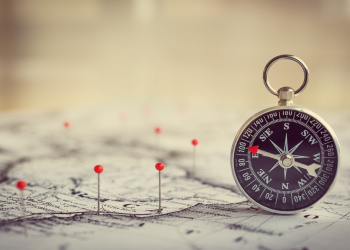
- GPS and Mapping: Accurate navigation helps minimize the risk of getting lost. Being able to read maps, use a compass, or employ GPS devices can ensure that you stay on track and avoid dangerous areas.
- Satellite Phones and Distress Signals: Communication with rescue teams or loved ones is invaluable in a survival situation. Carrying a satellite phone or emergency beacon can significantly increase your chances of being found and rescued.
3. Risk Management Strategies for Survival
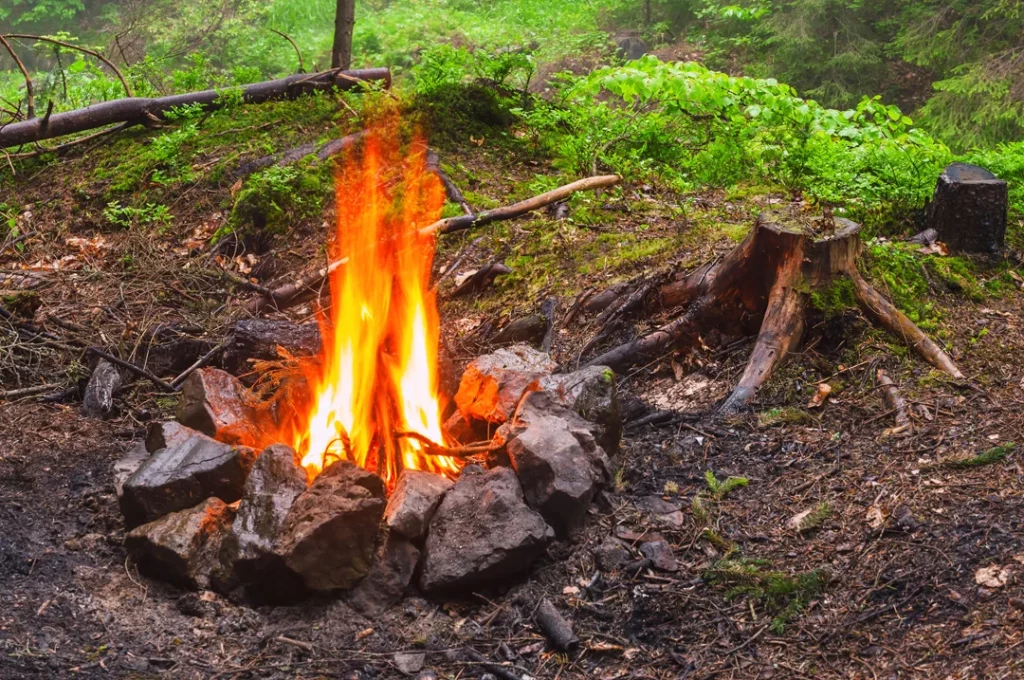
Once risks are assessed, it is time to take action. Effective risk management strategies help mitigate dangers, prioritize resources, and improve the chances of survival. These strategies involve a combination of preparation, situational awareness, and adaptive decision-making.
3.1 Prioritize Immediate Life-Threatening Risks
In any survival situation, the first step is to address immediate life-threatening risks. The Rule of Threes is a widely recognized principle in survival that prioritizes the most pressing needs:
- 3 minutes without air – If you are trapped or struggling to breathe, securing access to air is your top priority.
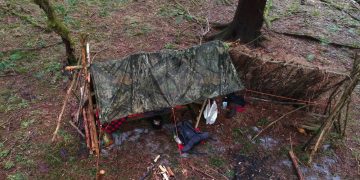
- 3 hours without shelter – In extreme weather, exposure to cold, heat, or rain can be fatal. Seek shelter immediately.
- 3 days without water – Dehydration is one of the fastest ways to impair your ability to think clearly and act. Finding water should be your next priority.
- 3 weeks without food – While food is important, the body can survive without it for longer than without water. Ration food and consume it wisely.
3.2 Adapt to Changing Conditions
Survival situations are fluid and dynamic. The conditions may change rapidly, and risks may evolve as time passes. Staying adaptable, re-assessing the environment, and adjusting plans are essential for managing these changing risks.
- Monitor the Environment: Continuously assess the weather, terrain, and any other environmental factors. If a storm is approaching or temperatures drop significantly, adjust your shelter and clothing accordingly.
- Conserve Resources: As survival situations can last for extended periods, it is vital to conserve food, water, and energy. Ration your supplies and make each resource count.
- Be Ready to Improvise: Often, the perfect solution is not available. Be prepared to improvise using the tools and materials at your disposal to solve problems and address risks.
3.3 Maintain Mental Resilience
Survival is not just about physical endurance but also mental strength. The ability to remain calm, focused, and optimistic can dramatically improve your ability to manage risks and find solutions.
- Focus on the Present: Avoid becoming overwhelmed by the future. Focus on immediate, achievable goals, such as building shelter, finding food, or staying hydrated.
- Stay Positive: Maintaining a positive attitude can help reduce stress and keep morale high, even in the most challenging of circumstances. Positivity fosters creative problem-solving and boosts resilience.
4. Conclusion: Mastering the Art of Survival Risk Assessment
Survival risk assessment is a dynamic skill that requires constant learning, adaptation, and careful judgment. By understanding the key factors involved in risk evaluation—environmental, biological, human, and technological—individuals can make informed decisions that maximize their chances of survival. However, even the best assessments cannot account for every possibility, which is why flexibility, resilience, and the ability to think on one’s feet are essential.
Whether you are embarking on an outdoor adventure or preparing for an emergency situation, the ability to assess and manage risks is one of the most valuable skills you can develop. By combining knowledge, awareness, and preparation, you can navigate the dangers of the wilderness, urban environments, and life itself—safely and effectively.