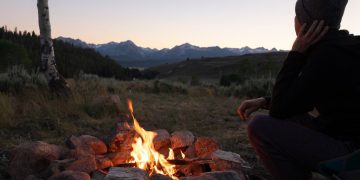










The crackle of a campfire under the starlit sky has long been a symbol of adventure, warmth, and communal bonding in the great outdoors. Campfires serve as essential tools for cooking, heating, and light, playing an important role in the wilderness experience. However, in recent years, campfire restrictions have become a major concern due to the increasing awareness of environmental impact and the need for sustainable practices in the outdoors. As wildfires become more frequent and intense, and as the delicate balance of ecosystems is disrupted by human activity, many outdoor enthusiasts, environmentalists, and park management agencies have begun promoting more eco-friendly fire-making methods.
This article explores the history of campfires, the reasons behind the growing fire restrictions, and the environmental consequences of traditional fire-making practices. More importantly, it offers insights into sustainable alternatives, including alternative fire-making methods that minimize ecological damage. Whether you’re an experienced camper, a novice hiker, or someone simply interested in environmental conservation, understanding how to make fires responsibly can significantly contribute to preserving the natural world.
1. The Role of Campfires in Outdoor Activities
For centuries, campfires have been integral to the experience of being in the wild. From ancient civilizations to modern-day adventurers, the act of gathering around a fire is often seen as an elemental part of outdoor culture.
1.1 The Significance of Campfires
A campfire does more than provide warmth; it is a focal point for social interaction, a source of light and heat, and historically, a means of cooking food. Fire has been central to human survival for thousands of years, and even in contemporary outdoor settings, it serves as a ritualistic and practical element of nature exploration.
- Cultural and Social Bonding: Gathering around a fire is a shared tradition that transcends time and cultures. It creates a space for people to connect, share stories, sing songs, and enjoy the serenity of the outdoors together. Campfires play a role in creating unforgettable memories during outdoor adventures.
- Practical Benefits: Fires have practical applications in outdoor settings, from cooking meals to providing protection against the cold and even deterring wildlife. It serves as a reliable light source, often the only option in remote wilderness areas where electric lighting is unavailable.
- Ritual and Reflection: Beyond its practical uses, the campfire represents an essential connection to the natural world. It symbolizes warmth, life, and the raw elements that define the wilderness. For many, a fire is not only a functional tool but also an emotional anchor, connecting them to nature on a deeper level.
1.2 The Growing Popularity of Outdoor Recreation
As outdoor recreation continues to grow in popularity, the frequency and scale of campfires have increased. With more people exploring parks, forests, and wilderness areas, the impact of human activity—specifically campfires—has become more pronounced.
- National and Global Trends: Outdoor recreational activities such as hiking, camping, and backpacking have surged, particularly in recent years. As more people venture into nature, there is a simultaneous increase in the demand for campfires. This growing demand has, in turn, contributed to a rise in fire-related incidents and environmental concerns.
- Ecological Concerns: While campfires are part of the outdoor experience, the environmental implications of unmanaged fires are becoming more serious. The accumulation of firewood, the carbon emissions from burning, and the potential for wildfires have prompted a reevaluation of how fire should be used in nature.
2. The Environmental Impact of Campfires
While campfires may seem like a small part of outdoor life, their impact on the environment can be significant, especially when they are not managed properly. The ecological footprint of traditional fire-making practices is far-reaching, and this has led to more stringent fire regulations in many areas.
2.1 Air Pollution and Carbon Emissions
When wood is burned in a campfire, it produces carbon dioxide (CO2), a greenhouse gas that contributes to climate change. While the amount of CO2 from a single campfire may seem minimal, when multiplied by the thousands of fires lit in forests and parks around the world, the cumulative effect becomes substantial.
- Particulate Matter: In addition to CO2, burning wood also releases particulate matter into the air. These tiny particles can cause respiratory problems for both humans and animals, especially in confined or high-density areas. In remote areas, where air quality may already be compromised, additional pollutants can exacerbate environmental issues.
- Wildfires: One of the most direct dangers of campfires is the risk of starting a wildfire. Unattended or poorly extinguished fires can easily spread, particularly in dry or windy conditions. Wildfires are a growing global concern, with significant loss of wildlife, habitat destruction, and damage to human infrastructure.
2.2 Habitat Destruction and Resource Depletion
Traditional fire-making relies on wood gathering from forests, which can lead to habitat destruction and resource depletion. When firewood is collected without regard for the environment, it can harm the surrounding ecosystem in the following ways:
- Deforestation: In heavily trafficked areas, firewood collection can lead to deforestation. When trees and plants are removed, it disrupts the local ecosystem, affecting both plant and animal species.
- Loss of Biodiversity: Cutting down trees and removing plant life can lead to a loss of biodiversity, impacting wildlife that depend on those resources for food, shelter, and survival.
- Soil Erosion: Removing vegetation can also lead to increased soil erosion. Vegetation plays an important role in maintaining soil structure and preventing erosion. The loss of plants due to overuse can lead to the degradation of land, making it more susceptible to the negative effects of wind and rain.
2.3 Water Quality Issues
In addition to air and land degradation, poorly managed campfires can also affect water quality. In areas where firewood is burned near water sources, ash and other pollutants can contaminate streams, rivers, and lakes. This not only affects local wildlife but also poses a danger to human health.
3. Campfire Restrictions: Why They Matter
Given the environmental consequences of traditional campfire practices, many national parks, forests, and wilderness areas have implemented campfire restrictions to mitigate the ecological damage caused by uncontrolled fires.
3.1 Purpose of Campfire Restrictions
The primary purpose of campfire restrictions is to preserve the natural environment and reduce the risk of wildfires. Restrictions help to:
- Prevent Wildfires: By limiting campfires to specific areas or times, authorities can reduce the likelihood of accidental fires spreading to nearby vegetation. Restrictions are particularly important in areas experiencing drought conditions or during wildfire season.
- Protect Wildlife and Habitat: Restrictions prevent the collection of firewood, preserving local ecosystems and ensuring that wildlife is not disturbed. In many cases, firewood gathering is not allowed in national parks to protect fragile habitats.
- Enhance Public Safety: Some campfire restrictions are put in place for public health reasons. Unattended or improperly managed fires can be a safety hazard to visitors, and reducing campfire usage limits exposure to harmful air pollutants.
3.2 Types of Campfire Restrictions
Campfire restrictions vary depending on the location, season, and local policies. The most common types of campfire restrictions include:
- Complete Fire Ban: In some areas, particularly during dry seasons or in regions prone to wildfires, campfires may be completely banned. This includes all open flames, including candles and gas stoves.
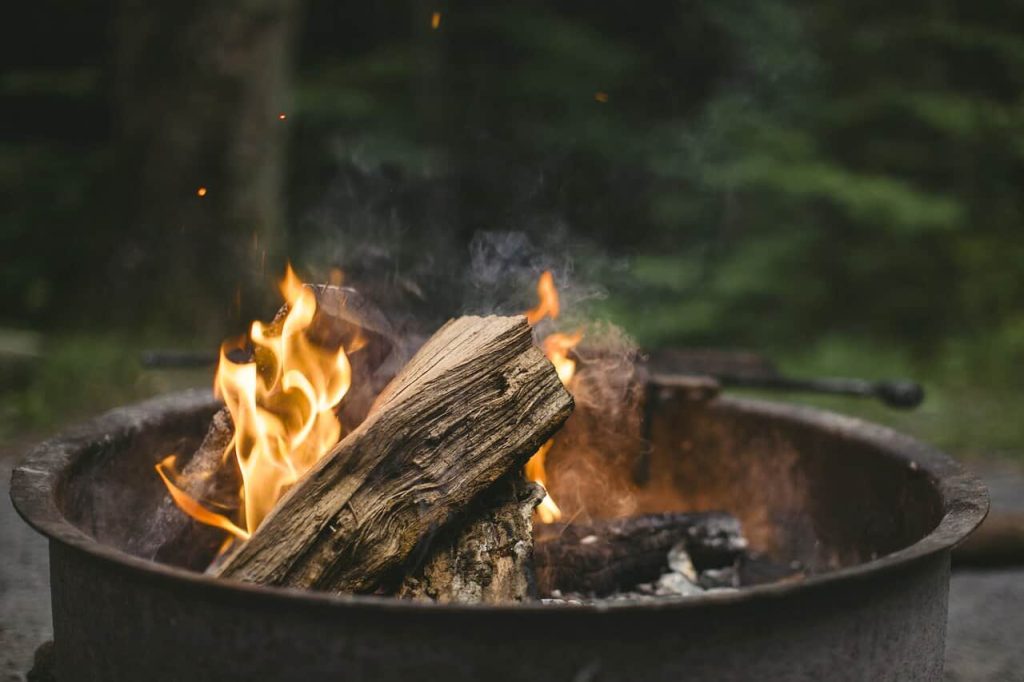
- Fire Pit or Campfire Ring Restrictions: In certain parks, campfires are only permitted in designated fire pits or campfire rings to contain the fire and reduce the risk of it spreading. These areas are often equipped with fire safety tools, such as fire extinguishers or water sources.
- Seasonal Restrictions: During periods of heightened fire risk, such as the summer months in many regions, campfire restrictions may be implemented temporarily. These restrictions may be lifted during the wetter months when the risk of wildfires is lower.
4. Eco-Friendly Fire-Making Methods
As concern over the environmental impact of traditional campfires grows, alternative fire-making methods have emerged. These techniques aim to minimize harm to the environment while still allowing outdoor enthusiasts to enjoy the warmth and ambiance of a fire.
4.1 Portable Fire Pits and Stoves
One of the most effective ways to reduce the environmental impact of campfires is by using portable fire pits or camping stoves. These devices allow individuals to create controlled fires without damaging the surrounding environment. Key benefits of these alternatives include:
- Reduced Risk of Wildfires: Portable fire pits keep fires contained, reducing the likelihood of accidental fires spreading.
- Minimal Environmental Footprint: Many portable stoves are designed to use minimal fuel (e.g., wood pellets, alcohol burners, or propane), reducing the amount of fuel required and limiting environmental damage.
- Eco-Friendly Materials: Some portable fire pits and stoves are made from recycled or sustainable materials, further reducing their ecological impact.
4.2 Chemical-Free Fire Starters
When using traditional methods of fire-making, eco-friendly alternatives to fire starters can reduce the impact on the environment. Chemical-free fire starters, such as natural wax-coated matches, cotton balls with petroleum jelly, or dried moss, are excellent options for reducing waste and chemical contamination in nature.
4.3 Solar-Powered Solutions
For those who prefer to avoid fire-making altogether, solar-powered lanterns and light sources are excellent substitutes for traditional campfires. These solar-powered tools use renewable energy, providing illumination without the need for combustion or environmental damage.
4.4 Leave No Trace (LNT) Principles
The Leave No Trace (LNT) movement has become a cornerstone of outdoor ethics, advocating for minimal human impact on the environment. Some LNT principles that apply to fire-making include:
- Using established fire pits: Always use existing fire pits or rings to minimize disruption to the environment.
- Packing out all waste: Never leave remnants of firewood, ash, or charred wood behind. Always pack out your waste.
- Using sustainable fuel sources: Opt for dead and downed wood rather than cutting live trees, and consider bringing your own fuel when possible.
5. Conclusion
As we continue to explore the outdoors and enjoy the warmth and ambiance of campfires, it is crucial that we remain conscious of the environmental impact our actions can have. By adopting eco-friendly fire-making methods, respecting campfire restrictions, and being mindful of our role in preserving nature, we can ensure that future generations can experience the same connection to the natural world that we hold dear.
The choice to manage fire responsibly is not just about following regulations—it is about creating a sustainable legacy that respects both the land and its inhabitants. Whether using a portable stove, a solar-powered lantern, or an eco-friendly fire starter, there are countless ways to reduce our ecological footprint while still enjoying the primal magic of a fire in the wild.