









In recent years, wilderness tourism has surged in popularity, as travelers seek to experience the raw beauty and solitude of nature, often in remote or protected environments. From safaris in Africa to treks in the Amazon Rainforest, these types of eco-tourism have been marketed as sustainable alternatives that allow people to reconnect with nature while supporting wildlife conservation. However, as the number of visitors to wilderness areas increases, many are questioning whether this influx of human activity is actually placing more pressure on wildlife populations and their habitats.
This article explores the complex relationship between wilderness tourism and its impact on wildlife. By examining the potential benefits and detriments of eco-tourism, the effects of increased foot traffic on wildlife habitats, and the role of responsible tourism, we can better understand whether wilderness tourism truly benefits or harms the very wildlife it aims to protect.
1. The Rise of Wilderness Tourism: A Double-Edged Sword
1.1 The Appeal of Wilderness Tourism
Wilderness tourism encompasses various activities, from safaris in sub-Saharan Africa to hiking in national parks or exploring rainforests. Travelers are drawn to these experiences by the opportunity to witness wildlife in their natural habitats and engage in adventures that connect them to the untamed wilderness. The growing interest in activities such as bird watching, whale watching, and safari tours reflects a desire to witness the world’s most magnificent species in their natural environments, fostering a sense of awe and wonder.
Additionally, many wilderness tourism initiatives are framed as sustainable, aiming to raise awareness about environmental issues and directly contribute to the conservation of endangered species. In theory, eco-tourism provides local communities with economic incentives to preserve their natural surroundings while fostering greater environmental consciousness among visitors.
1.2 The Economic Benefit of Wilderness Tourism
Eco-tourism often becomes a significant driver of the local economy, especially in rural or remote regions where traditional industries may be limited. Revenue generated from tourist activities such as safaris, trekking, or visiting protected areas is used to fund wildlife conservation efforts, create jobs for local communities, and build infrastructure. According to the World Travel & Tourism Council, nature-based tourism contributes significantly to national economies, especially in countries with abundant natural resources, such as Kenya, Tanzania, and Costa Rica.
For example, in Kenya’s Masai Mara National Reserve, tourism revenue supports both the conservation of the area’s unique wildlife and the economic livelihoods of local Maasai communities. However, for these benefits to be sustainable, tourism needs to be managed carefully, ensuring that the pressure placed on wildlife and ecosystems is minimized.
2. The Negative Impacts of Wilderness Tourism on Wildlife
While the growth of wilderness tourism offers economic and educational benefits, it is not without its risks. The potential detrimental impacts on wildlife and ecosystems are considerable and need to be carefully evaluated.
2.1 Habitat Disturbance and Fragmentation
One of the most significant consequences of increased human activity in wilderness areas is the disturbance and fragmentation of wildlife habitats. While many tourism operations try to keep disturbances to a minimum, the reality is that the constant flow of visitors into sensitive habitats can have lasting effects.
- Noise Pollution: Wildlife is particularly sensitive to noise. The sounds of vehicles, tourists, or even the chatter of people can disrupt breeding behaviors, migration patterns, and feeding routines. In some cases, animals may avoid certain areas entirely due to noise pollution, leading to reduced access to food and shelter.
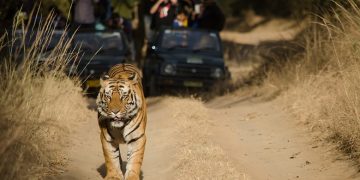
- Physical Disturbance: Tourists trekking through habitats may inadvertently trample vegetation, disrupt nesting sites, or disturb animals, leading to potential long-term consequences. In the case of larger mammals, such as elephants or tigers, human activity can cause stress, leading to changes in behavior and even abandonment of critical habitats.
- Erosion and Soil Degradation: In areas where tourism involves hiking, driving, or riding, the land itself can become compacted or eroded, particularly in places where there is little vegetation to protect the soil. Over time, this degradation can lead to loss of biodiversity and a decline in the availability of resources for both wildlife and local communities.
2.2 Increased Pressure on Resources
As wilderness tourism grows, the demand for natural resources—such as water, food, and shelter—also increases. This creates a strain on the environment, especially in ecologically fragile areas.
- Water Consumption: Many eco-tourism operations, especially in areas with limited freshwater resources, consume large amounts of water for tourists’ needs, including drinking water, cleaning, and sanitation. This can significantly affect the availability of water for wildlife, leading to competition for limited resources and increased vulnerability for species that depend on these water sources.
- Invasive Species: Tourists, often unknowingly, may introduce non-native plant species, diseases, or pests into previously unspoiled ecosystems. The introduction of invasive species can disrupt local food webs, lead to competition with native species, and even bring new diseases that affect both plants and animals.
2.3 Stress and Behavior Disruption in Wildlife
Frequent human presence can create a state of stress for wildlife, especially when animals are exposed to constant interaction with tourists. Some species, such as big cats or primates, are known to alter their behavior in response to human activity. In some cases, animals may grow accustomed to humans, which can lead to dangerous interactions or a loss of natural wariness.
- Feeding Habits: Tourists feeding animals—often unintentionally—can alter the natural feeding habits of certain species. This creates a dependency on human-provided food and can lead to aggressive behaviors, as animals seek food from visitors rather than foraging for themselves.
- Breeding and Migration: Constant human presence in wildlife habitats can disrupt the natural rhythms of breeding and migration. Certain species may abandon breeding sites due to the stress of human activity, reducing reproduction rates and, in some cases, threatening their populations.
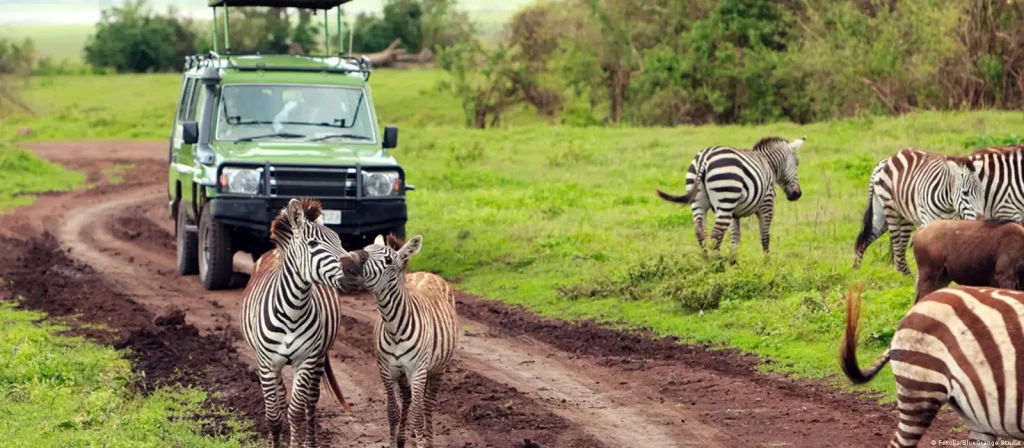
3. Balancing Eco-Tourism with Conservation Efforts
While wilderness tourism undeniably places pressures on wildlife, there are strategies and practices that can help minimize the negative impacts. Responsible eco-tourism and sustainable travel practices can enable travelers to enjoy the wilderness while simultaneously supporting conservation efforts.
3.1 Sustainable Tourism Practices
A growing focus on sustainable tourism ensures that the negative impacts of human activity on wildlife and ecosystems are minimized. Key strategies include:
- Low-Impact Activities: Encouraging low-impact activities such as hiking, wildlife watching from a distance, and controlled photographic safaris can minimize disturbances to wildlife.
- Limited Visitor Numbers: Many protected areas have introduced visitor caps to limit the number of tourists entering the area at any given time. By controlling foot traffic, these caps reduce the strain on ecosystems and wildlife, preserving their habitats for future generations.
- Education and Awareness: Educating tourists about wildlife protection and responsible behavior can help reduce negative impacts. Teaching visitors to stay on designated paths, avoid feeding animals, and keep noise levels to a minimum can significantly reduce the stress placed on wildlife.
3.2 Community Involvement and Economic Incentives
Incorporating local communities into the tourism process can help ensure that tourism benefits both people and wildlife. When local communities have a vested interest in preserving wildlife and habitats, they are more likely to take an active role in conservation efforts.
- Community-Managed Conservation Areas: In many areas, indigenous communities or local stakeholders are managing conservation areas with a focus on sustainable tourism. This not only supports wildlife protection but also creates economic opportunities for local populations.
- Revenue Sharing: A portion of the proceeds from eco-tourism can be used to fund wildlife conservation efforts and to create job opportunities for locals in wildlife monitoring, guiding, and habitat restoration programs.
3.3 Monitoring and Adaptive Management
Effective monitoring of wildlife populations and the environment is essential to understand the impacts of tourism. Regular assessments allow conservationists to adjust tourism practices and policies as needed to ensure that wildlife populations and habitats remain protected.
- Wildlife Monitoring Programs: Many conservation organizations and national parks have implemented monitoring programs to track the health of animal populations and identify any adverse impacts caused by human activities.
- Adaptive Management: This approach involves constantly evaluating the effectiveness of tourism policies and practices and adjusting them based on feedback and results. For example, if a particular area experiences too much disturbance from tourists, visitor numbers might be restricted or new paths might be established to reduce habitat intrusion.
4. Conclusion: Toward Responsible Wilderness Tourism
Wilderness tourism, when managed properly, offers significant benefits both for travelers and for wildlife conservation efforts. The influx of tourism revenue can help fund conservation programs, provide economic opportunities for local communities, and raise awareness about the importance of preserving natural ecosystems. However, as the demand for wilderness experiences increases, it is essential to remain vigilant about the potential risks posed to wildlife and habitats.
Ultimately, the challenge lies in striking a balance between the enjoyment of wilderness and the protection of its delicate ecosystems. By adopting responsible tourism practices, focusing on sustainability, and involving local communities in conservation efforts, we can continue to enjoy the beauty of the wilderness without jeopardizing the species that inhabit it.