








Introduction: The Shift Towards Slow Travel
In recent years, a growing movement has emerged within the travel industry, one that values the experience over the destination and emphasizes quality over quantity. This movement is known as Slow Travel. Unlike traditional tourism, which often focuses on seeing as many places as possible in the shortest amount of time, slow travel advocates for immersive, deliberate journeys that allow travelers to connect deeply with their surroundings, cultures, and communities.
The rapid pace of modern life, fueled by technology, global connectivity, and a constant demand for instant gratification, has led many people to seek a more intentional and meaningful way of traveling. Slow travel offers a counterbalance to the hustle and bustle of mass tourism, inviting people to slow down, reflect, and savor each moment. This article explores the growing popularity of slow travel, its core principles, and its impact on the travel industry, local communities, and the environment.
1. Defining Slow Travel: A Philosophy of Mindful Exploration
1.1 The Essence of Slow Travel
Slow travel is not merely about taking longer vacations or visiting fewer destinations—it’s a philosophy that emphasizes intentionality and mindfulness. It is about savoring the journey and fully engaging with the local culture, environment, and people. Unlike the fast-paced, checklist-driven approach to tourism, slow travel encourages a deeper connection to the places we visit.
At its core, slow travel is about experiencing a destination as a local rather than a tourist. This means taking the time to explore beyond the typical tourist hotspots, seeking out lesser-known experiences, and fostering meaningful connections with the people and places you encounter. It’s about immersing oneself in the rhythms of a new environment and slowing down to notice the small, often overlooked details of daily life.
1.2 The Roots of Slow Travel: A Historical Perspective
The concept of slow travel can be traced back to the broader Slow Movement, which began in the 1980s with the launch of the Slow Food movement in Italy. This movement aimed to combat the rise of fast food culture by promoting local, sustainable, and traditional food practices. The Slow Movement soon expanded to other areas of life, including travel, as people sought to slow down and reconnect with more mindful, meaningful experiences.
The slow travel movement gained significant momentum in the early 2000s, especially with the rise of digital nomadism and the growing awareness of sustainability. As more people began questioning the environmental and social impacts of mass tourism, slow travel emerged as an alternative that aligned with the principles of sustainable and responsible tourism.
2. Core Principles of Slow Travel
2.1 Immersion in Local Culture
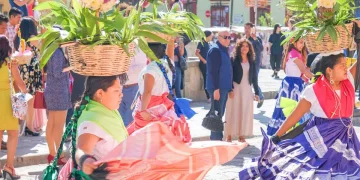
One of the most defining aspects of slow travel is cultural immersion. Rather than simply visiting a destination for a few days and checking off a list of must-see attractions, slow travelers seek to understand the culture on a deeper level. This means engaging with local communities, learning about their traditions, trying their food, and experiencing life from their perspective.
Cultural immersion helps to foster respect and understanding between travelers and the communities they visit. By spending time in one location and engaging with its people, travelers gain a richer, more nuanced view of the culture. This contrasts with the often superficial interactions that can occur in a typical tourist experience, where the focus is on snapping photos and ticking off sights.
2.2 Slow Travel and Sustainability
Slow travel is closely linked to the principles of sustainability. In an age of environmental crisis and over-tourism, slow travel offers a more sustainable alternative by encouraging minimal impact and responsible tourism. By traveling slowly, visitors reduce their carbon footprint, limit the environmental damage caused by mass tourism, and have a less intrusive presence in the communities they visit.
Slow travel also promotes staying in locally owned accommodations, eating locally grown food, and supporting small businesses. By doing so, travelers contribute directly to the local economy and help preserve traditional practices that might otherwise be at risk of disappearing due to globalization and the pressures of mass tourism.
2.3 Deep Connection to Nature and Place
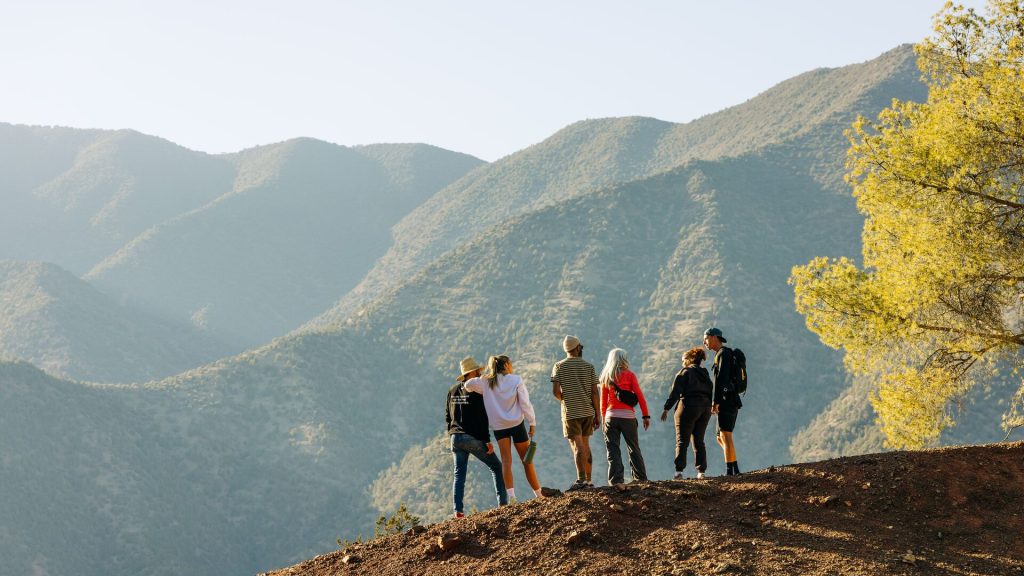
Slow travel encourages a deep connection to the natural environment. Whether trekking through national parks, walking along coastal paths, or cycling through vineyards, slow travelers take the time to explore the natural beauty of a region at their own pace. This connection with nature not only enhances the travel experience but also fosters a greater appreciation for the environment and the need to protect it.
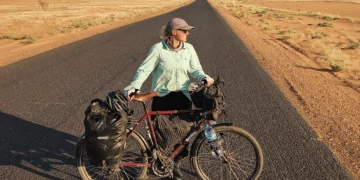
For example, rather than rushing through a destination in a few days, slow travelers may spend weeks or months in one region, exploring it on foot or by bicycle, which allows them to witness seasonal changes, observe wildlife, and understand the land on a much deeper level. This slow-paced exploration creates a sense of belonging to the place, as travelers witness the land’s ebb and flow over time.
2.4 The Joy of Simple Pleasures
Slow travel invites people to savor the simple pleasures of life—whether that’s enjoying a cup of coffee in a small café, strolling through a village market, or spending an afternoon watching the sunset. It’s about taking the time to appreciate the moment, rather than rushing from one activity to the next. Slow travelers might find joy in spontaneous experiences, like chatting with a local artisan, participating in a community event, or simply observing the rhythms of daily life.
This emphasis on simplicity aligns with the broader slow living philosophy, which encourages individuals to focus on quality rather than quantity in all aspects of life. In the context of travel, this translates to embracing a slower pace that fosters mindfulness, relaxation, and a deeper engagement with the present moment.
3. Benefits of Slow Travel
3.1 Personal Growth and Self-Awareness
Slow travel offers significant opportunities for personal growth and self-discovery. By stepping out of the familiar and immersing oneself in new environments, travelers are often challenged to confront their assumptions, step outside their comfort zones, and adapt to unfamiliar situations. This process of adaptation can lead to greater self-awareness and a deeper understanding of one’s own values, desires, and goals.
Traveling slowly also provides the space for reflection and contemplation. With less pressure to see everything, travelers can engage more deeply with their surroundings and engage in activities that promote personal reflection, such as journaling, reading, or simply spending time in nature. The slower pace allows for a more mindful experience, where each moment is given the attention it deserves.
3.2 Strengthening Human Connections
One of the most rewarding aspects of slow travel is the ability to form genuine connections with people. When travelers stay longer in one place, they have the opportunity to get to know local residents, other travelers, and fellow explorers in a more meaningful way. Whether through shared meals, collaborative projects, or local workshops, slow travel fosters authentic relationships that transcend the fleeting nature of typical tourist interactions.
These connections often lead to greater empathy and understanding, as travelers gain insight into the lives and struggles of people from different cultures and backgrounds. By immersing oneself in the local community, slow travelers can contribute to cultural exchange and the building of global friendships.
3.3 Economic and Social Impact on Local Communities
Slow travel has a positive impact on local economies. Unlike mass tourism, which often benefits large multinational companies and resorts, slow travel prioritizes small businesses, family-run accommodations, and local artisans. By choosing to stay longer and spend more time in a community, slow travelers contribute to the local economy in a way that supports sustainable growth.
In addition, slow travel can help preserve local traditions and cultural heritage. In places where tourism has been overwhelming, slow travel allows communities to showcase their culture in a way that is respectful and mindful of their traditions. It encourages a more authentic tourism experience, where the focus is on preserving the essence of the community rather than commodifying it for mass consumption.
4. Slow Travel in the Context of the Modern World
4.1 Digital Nomadism and Remote Work
The rise of remote work and digital nomadism has fueled the growth of slow travel. With more people working from anywhere, there is less pressure to rush through a destination and more opportunity to immerse oneself in local cultures and environments. Digital nomads can work from remote locations, spending weeks or months in one place, allowing them to build deeper connections and experiences in a way that traditional tourists cannot.
The digital revolution has, in many ways, created the ideal conditions for slow travel. The internet allows people to stay connected with work and family, while travel apps and online communities make it easier to plan longer, more intentional journeys. As the lines between work and leisure continue to blur, slow travel presents a way to achieve a work-life balance that emphasizes personal well-being and mindfulness.
4.2 Addressing Over-Tourism and Environmental Impact
In the face of over-tourism and the environmental degradation caused by mass travel, slow travel offers a sustainable alternative. Overcrowding in popular tourist destinations has put immense pressure on local ecosystems, infrastructure, and communities. Slow travel, with its emphasis on spending time in one place and prioritizing low-impact activities, can help mitigate some of the negative effects of tourism.
By encouraging longer stays in less-visited areas, slow travel can also promote dispersed tourism, helping to relieve pressure on heavily visited sites. This kind of tourism benefits both the traveler and the destination, as it encourages a more equitable distribution of tourism revenue and preserves the integrity of natural and cultural resources.
5. Conclusion: The Future of Slow Travel
As the world continues to change and the impact of tourism becomes more apparent, the philosophy of slow travel is likely to gain further traction. With its emphasis on mindful exploration, sustainability, and cultural immersion, slow travel offers a refreshing alternative to the fast-paced, consumer-driven tourism model that has dominated the industry for decades.
As more travelers seek meaningful, transformative experiences and strive to connect with the world in a more authentic way, slow travel is poised to become a global trend. Whether it’s exploring a remote village, spending weeks in a new city, or traveling by foot, bike, or train, slow travel invites us to rediscover the joy of taking things slow, living in the moment, and embracing the journey rather than rushing to the destination.
In the end, slow travel is about creating experiences that are rich in meaning, depth, and connection—both with the world around us and with ourselves. As we move forward into the future of travel, may we embrace the art of slowness, appreciating each step of the journey.