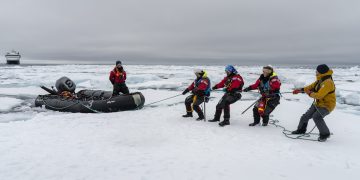







Exploration and adventure are at the core of human nature. For centuries, people have ventured into the wild—whether for hunting, scientific research, or simply the thrill of adventure. However, as our technological capabilities have expanded, so has our ability to access previously untouched or remote wilderness areas. While these pristine landscapes offer incredible opportunities for exploration, they also raise critical questions about the potential ecological impacts of human presence.
The question “Does entering pristine nature harm ecosystems?” is a complex one, with considerations that span biology, ethics, conservation science, and human psychology. As more people gain access to wilderness areas through adventure travel, scientific expeditions, and eco-tourism, understanding the balance between human exploration and environmental preservation has never been more crucial.
This article will explore the various aspects of human impact on pristine ecosystems, examining both the potential harms and the measures that can mitigate damage. We will discuss the physical and ecological effects of human presence, the ethical questions surrounding wilderness exploration, and how current conservation efforts are striving to protect the integrity of our natural world.
1. Defining Pristine Nature and Ecosystem Integrity
Before we examine the potential harms, it is essential to understand what “pristine nature” means in the context of ecosystems. A pristine environment refers to a natural area that has been largely unaffected or minimally influenced by human activity. These areas often exist in remote regions where human development is limited, such as deep forests, high mountain ranges, or untouched coastlines.
1.1 The Concept of Ecosystem Integrity
Ecosystem integrity refers to the ability of an ecosystem to maintain its natural structure, composition, and functioning over time. A pristine ecosystem is one where all the elements—flora, fauna, soil, water, and air—operate in a balanced, interconnected way without significant disruption from human activity. Disturbances from human activity, such as pollution, habitat destruction, or invasive species, can impair ecosystem integrity and lead to long-term ecological consequences.
2. The Potential Harm of Human Presence in Pristine Areas
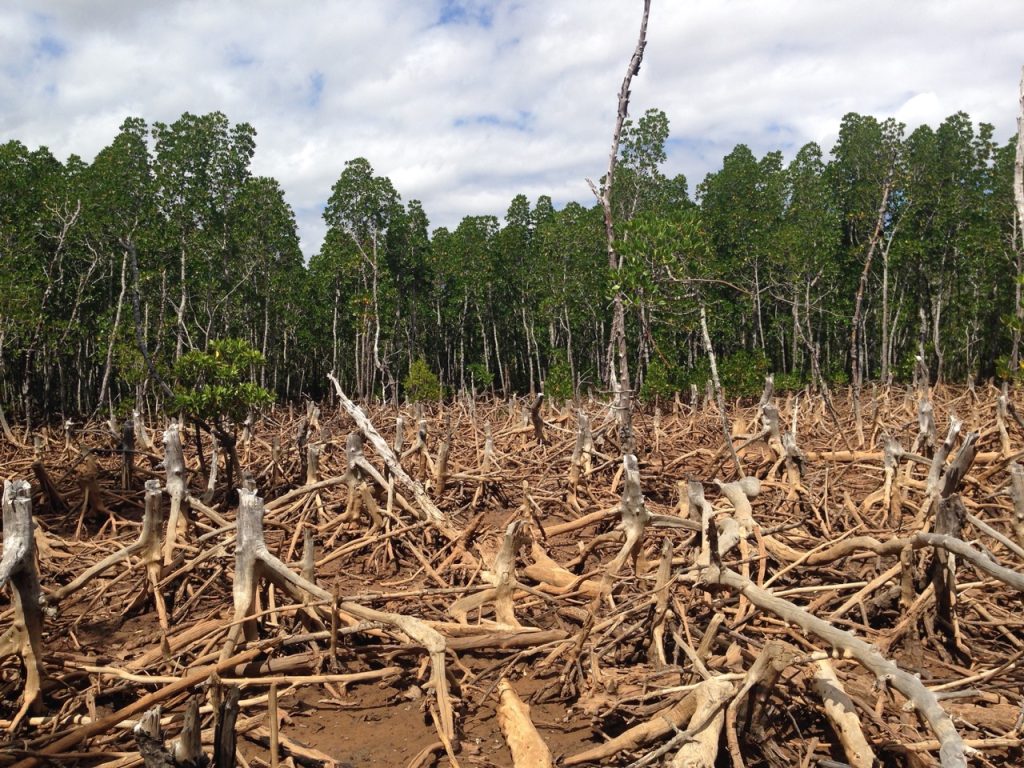
While humans have the capacity to explore, study, and enjoy wilderness areas, our presence can have negative effects on ecosystems. These effects can range from minor disturbances to irreversible damage, depending on the extent and type of human activity.
2.1 Habitat Disturbance and Loss
One of the most immediate and obvious impacts of human presence in pristine ecosystems is habitat disturbance. Whether through off-trail hiking, camping, or even scientific research, human activity can directly alter the physical environment.
- Soil Compaction and Erosion: Repeated foot traffic, especially in sensitive areas like alpine meadows or forested wetlands, can compact the soil, disrupting plant growth and leading to increased erosion. Over time, this can degrade habitat quality and affect species that depend on stable soil conditions.
- Trampling of Vegetation: Plants are often trampled or uprooted when hikers or explorers venture off established paths. This disruption can alter plant communities, affecting not only the plants themselves but also the animals that depend on them for food or shelter.
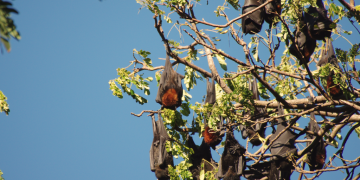
- Wildlife Displacement: Animals are sensitive to human presence. The introduction of noise, light, and human movement can cause wildlife to flee from their natural habitat, leading to stress and disruption in feeding, breeding, and migration patterns. For example, some bird species may abandon nests due to human disturbances, reducing their reproductive success.
2.2 Introduction of Invasive Species
Humans often unintentionally introduce non-native species into pristine environments. These invasive species can compete with native plants and animals for resources, alter local food webs, and disrupt ecological balance.
- Unintentional Transportation: Hikers, campers, and scientists can carry seeds, insects, or small organisms on their clothes, boots, and gear, introducing invasive species into otherwise untouched areas. Even the most seemingly insignificant organisms can wreak havoc on an ecosystem. For example, the introduction of non-native plants or animals into new habitats has led to the decline of native species in several ecosystems worldwide.
- Invasive Disease: Invasive diseases can also spread through human contact. Pathogens such as the chytrid fungus, which affects amphibian populations, have been spread across continents through human activity, with devastating effects on local wildlife.
2.3 Pollution and Waste
One of the most insidious consequences of human presence in wilderness areas is the introduction of pollutants and waste. While wilderness areas are often far removed from human populations, they are not immune to contamination.
- Plastic Waste: Even in the most remote areas, plastic waste from food wrappers, water bottles, and other packaging materials can accumulate. Plastic takes hundreds of years to decompose, and it can harm wildlife that mistake it for food or become entangled in it.
- Chemical Pollution: Human activities such as mining, hunting, and camping often introduce chemicals into the environment. Fuel spills, toxic cleaning agents, and even sunscreen can contaminate the soil, water, and air, disrupting natural chemical cycles and harming wildlife.
- Noise and Light Pollution: Human presence introduces noise and light pollution into previously undisturbed areas. Light pollution can disrupt the behavior of nocturnal animals and impact their feeding and breeding patterns, while noise pollution can cause animals to flee or alter their natural behavior.
2.4 Climate Change and Long-Term Environmental Impact
Even activities that seem innocuous in the short term, such as hiking, climbing, or boating, contribute to climate change. Human-induced climate change affects ecosystems across the globe, including those that are considered pristine.
- Greenhouse Gas Emissions: While not always directly linked to the act of exploration, the transportation of tourists to remote regions, the use of fossil fuels, and deforestation all contribute to the greenhouse gases that accelerate climate change. This, in turn, leads to shifts in species distributions, changes in weather patterns, and rising sea levels that threaten vulnerable ecosystems.
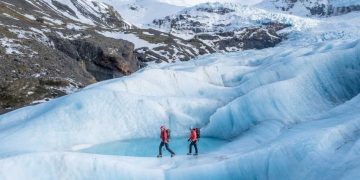
- Melting Ice and Habitat Loss: In areas like the Arctic and high-altitude mountains, the melting of glaciers due to climate change is causing irreversible changes to ecosystems. Pristine regions that were once cold and stable are now rapidly warming, altering habitats and threatening species that have adapted to these specific conditions.
3. The Role of Responsible Exploration and Conservation
While human exploration of pristine nature undoubtedly comes with risks, it’s possible to mitigate many of these harms through responsible practices and conservation efforts. Understanding the balance between exploration and environmental preservation is key to protecting these vital ecosystems.
3.1 Leave No Trace Principles
The Leave No Trace (LNT) principles offer a set of guidelines to minimize human impact on the environment. These principles are especially important when venturing into pristine wilderness areas, where any disturbance can have significant and long-lasting consequences.
- Plan Ahead and Prepare: The first step to minimizing your impact is careful planning. This includes choosing appropriate routes, understanding the environment, and minimizing your exposure to sensitive areas.
- Travel and Camp on Durable Surfaces: Stick to established trails and campsites to avoid trampling vegetation and compacting the soil. Avoid creating new paths and minimize the number of campsites you use.
- Dispose of Waste Properly: Pack out all trash, including biodegradable waste. Use biodegradable soap sparingly and only at least 200 feet away from water sources.
- Respect Wildlife: Maintain a respectful distance from wildlife and avoid feeding animals, which can disrupt their natural foraging behavior.
3.2 Ecotourism and Sustainable Travel
One of the key ways to minimize ecological damage while still enjoying wilderness areas is through ecotourism. Ecotourism emphasizes environmental conservation and sustainable travel practices, ensuring that tourism provides benefits to both the environment and local communities.
- Low-Impact Travel: Opt for ecotourism operators that prioritize low-impact activities, use sustainable transportation options, and ensure that the activities they offer do not harm wildlife or habitats.
- Support Conservation Efforts: Choose eco-friendly accommodations and companies that contribute to conservation efforts. Many national parks and wilderness areas rely on entrance fees, donations, and responsible tourism to fund preservation and restoration initiatives.
3.3 Scientific Research and Ecological Monitoring
In some cases, human presence can be beneficial to ecosystems when it comes in the form of scientific research and ecological monitoring. Research can lead to better understanding of biodiversity, ecosystems, and conservation needs. However, it’s crucial that these activities are conducted responsibly.
- Non-Intrusive Methods: Researchers should adopt non-invasive techniques to study wildlife, such as camera traps, drone technology, or genetic sampling, to minimize the physical impact on ecosystems.
- Collaborating with Local Communities: Many wilderness areas are home to indigenous peoples who have lived in harmony with the land for centuries. Collaboration with local communities ensures that research and exploration are conducted with cultural sensitivity and respect for traditional knowledge.
4. Conclusion: Finding Balance Between Exploration and Preservation
Entering pristine nature does carry the risk of damaging delicate ecosystems, but with responsible practices and a focus on conservation, the harm can be minimized. Understanding the balance between exploring the wild and preserving it for future generations is crucial. As outdoor enthusiasts, researchers, and adventurers, we must recognize the profound responsibility we bear when we venture into these natural sanctuaries.
By following the principles of sustainable exploration, supporting conservation efforts, and advocating for responsible policies, we can continue to enjoy the wild while ensuring that it remains intact for future generations to experience. The challenge lies in finding the right balance—one where human curiosity and respect for nature coexist harmoniously. Only then can we protect the irreplaceable ecosystems that sustain life on Earth.