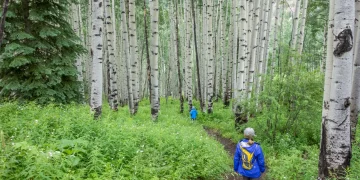










In an era where travel is more accessible than ever before, the environmental impact of tourism has become a pressing concern. As we explore the world’s most beautiful and remote destinations, the preservation of nature is more important than ever. The concept of “Leave No Trace” (LNT) travel is a sustainable approach designed to minimize our ecological footprint while enjoying the outdoors. Whether you’re hiking in the wilderness, camping in national parks, or embarking on an off-the-beaten-path adventure, LNT principles encourage us to be responsible stewards of the environment.
This article explores how travelers can engage in Leave No Trace practices, offering practical tips and actionable strategies for reducing environmental impact, respecting nature, and ensuring that future generations can experience the beauty of our planet in its untouched state.
1. The Philosophy Behind “Leave No Trace” Travel
At its core, Leave No Trace (LNT) is an ethical framework that guides outdoor activities by advocating for the minimization of human impact on the natural world. Originating from the outdoor community and later popularized by organizations like Leave No Trace Center for Outdoor Ethics, the philosophy promotes thoughtful and responsible behavior that helps maintain the integrity of ecosystems.
1.1 What Does “Leave No Trace” Mean?
“Leave No Trace” is not about avoiding the outdoors or refraining from enjoying nature—it is about enjoying it responsibly. This means ensuring that our activities cause as little disruption to the environment as possible. It includes principles that encourage minimal waste, respect for wildlife, and the careful consideration of natural habitats. The key idea is to tread lightly, ensuring that future generations can enjoy the same pristine landscapes that we do.
LNT encompasses seven core principles that guide travelers in their adventures:
- Plan Ahead and Prepare
- Travel and Camp on Durable Surfaces
- Dispose of Waste Properly
- Leave What You Find
- Minimize Campfire Impact
- Respect Wildlife
- Be Considerate of Other Visitors
Each of these principles is designed to help travelers make conscious decisions about their impact on nature, ensuring that the enjoyment of outdoor spaces does not lead to their degradation.
1.2 Why is “Leave No Trace” Important?
The principles of Leave No Trace are particularly significant in the context of a rapidly changing planet. Environmental degradation due to human activity, such as over-tourism, waste accumulation, and habitat destruction, threatens biodiversity and the health of ecosystems. LNT practices are essential for mitigating these risks, preserving the natural beauty of our planet, and fostering sustainable travel.
- Conservation of Biodiversity: Ecosystems are fragile, and even minor disturbances can have far-reaching consequences. By minimizing our impact, we help protect the species that rely on these habitats for survival.
- Sustainability in Tourism: As global tourism continues to grow, the pressures on popular destinations increase. LNT principles help ensure that tourism remains sustainable, promoting long-term environmental health rather than short-term exploitation.
- Cultural Responsibility: Many natural areas are also cultural treasures for indigenous communities. Respecting these places not only supports the environment but also honors the traditions and rights of local populations.

2. Practical Steps for “Leave No Trace” Travel
Now that we understand the philosophy behind LNT, it is important to look at how these principles can be applied in practice. Here are some actionable steps that travelers can take to leave no trace on their journeys.
2.1 Plan Ahead and Prepare
Planning ahead is one of the most important steps in minimizing your environmental impact. A well-thought-out plan ensures that you are prepared for the conditions you will face, which can help reduce unnecessary harm to the environment.
- Research Local Guidelines: Before embarking on any trip, research the specific regulations or rules of the area you plan to visit. Many national parks, wilderness areas, or nature reserves have specific LNT guidelines or restricted zones that you should be aware of.
- Permits and Restrictions: For some areas, you may need to obtain permits or follow specific restrictions to ensure that visitation is sustainable. Always check for required permits before heading to protected areas.
- Pack the Right Gear: Choose lightweight, durable gear that minimizes waste. For example, opt for reusable water bottles, biodegradable soap, and compact cooking stoves instead of disposable single-use items. Proper gear ensures that you don’t leave unnecessary trash behind.
- Know the Weather and Terrain: Be prepared for any weather conditions and understand the terrain you’ll be navigating. This reduces the risk of getting lost, which could lead to unnecessary environmental damage from overstepping designated trails.
2.2 Travel and Camp on Durable Surfaces
One of the most important aspects of LNT travel is minimizing the impact of foot traffic on vulnerable ecosystems. Vegetation, soils, and wildlife habitats can be easily damaged by trampling.
- Stick to Designated Trails: Whenever possible, follow established trails, which are often the most durable surfaces. Avoid creating new paths, as this can erode soil and disrupt plant life.
- Camp on Established Sites: Use designated campsites that are designed to withstand the wear and tear of human activity. If camping in a remote area, choose locations that are well away from water sources, wetlands, and sensitive vegetation.
- Avoid Impacting Fragile Areas: When hiking, make an effort to avoid walking on fragile surfaces such as meadows, wetlands, or alpine environments. These areas can take years to recover from even minor damage.
2.3 Dispose of Waste Properly
Waste management is one of the most critical aspects of Leave No Trace principles. Improper waste disposal can lead to litter, pollution, and contamination of water sources.
- Pack Out Everything: Always bring a bag to pack out your waste, including food scraps, trash, and even toilet paper. Avoid burying waste, as animals can dig it up, and the decomposition process is slower in many outdoor environments.
- Use Composting Toilets or LNT-approved Methods: In remote areas, use composting toilets when available, or carry portable waste bags (e.g., WAG bags) to properly dispose of human waste.
- Dispose of Food Scraps Carefully: While food scraps might seem harmless, they can attract wildlife, disrupt local ecosystems, and introduce non-native species. Avoid leaving any food scraps behind. Use biodegradable items when possible, but pack out all trash regardless.
2.4 Leave What You Find
Part of LNT travel is respecting the natural environment and leaving it as you found it. This includes both physical and cultural aspects of the land.
- Do Not Pick Plants or Disturb Wildlife: Avoid picking flowers, plants, or taking rocks, as this can deplete the natural flora and fauna. Do not disturb or feed wildlife, as it can cause stress to animals and alter their natural behaviors.
- Respect Historical and Cultural Sites: Many natural areas are also home to culturally significant sites for indigenous communities. Always respect these places and follow local cultural guidelines. Never remove artifacts or disturb sacred sites.
- Leave No Mark: Whether it’s carving your name into a tree or leaving trash behind, all signs of human activity should be avoided. Nature should remain pristine for those who visit after you.
2.5 Minimize Campfire Impact
While campfires are a beloved tradition in the outdoors, they can have significant environmental impacts if not managed properly.
- Use a Camp Stove: In many areas, it’s better to use a camp stove for cooking instead of starting a fire. This reduces the risk of wildfires and prevents the depletion of local wood resources.
- Use Established Fire Rings: If campfires are allowed, always use designated fire rings or fire pits. Never build a fire directly on the ground, as this can lead to soil degradation.
- Keep Fires Small: If a fire is necessary, keep it small and use only dead and downed wood. Avoid gathering wood from live trees, and always fully extinguish the fire before leaving the campsite.
2.6 Respect Wildlife
Wildlife plays a crucial role in maintaining healthy ecosystems, and human interactions with animals can have long-lasting consequences.
- Avoid Feeding Animals: Feeding wildlife disrupts natural behaviors and can cause animals to become dependent on human food, which can be harmful to their health.
- Keep a Safe Distance: Maintain a respectful distance from wildlife and avoid disturbing them. Use binoculars or a camera to observe animals from afar without encroaching on their space.
- Store Food Securely: Store food properly to prevent attracting animals to your campsite. Use bear-resistant containers in bear country, and keep all food sealed and out of reach of wildlife.
2.7 Be Considerate of Other Visitors
Finally, LNT travel emphasizes the importance of respecting fellow travelers and maintaining a peaceful atmosphere in nature.
- Minimize Noise: Avoid loud music or conversations, which can disturb the tranquility of natural spaces. If you’re camping or hiking with others, practice good group etiquette.
- Share Trails and Campsites: Be courteous on the trail by yielding to others when necessary, especially on narrow or crowded paths. Share campsites fairly and ensure that everyone has space to enjoy the environment.
- Leave Early or Late: To minimize overcrowding, consider starting your hike or reaching your campsite early in the day or later in the evening.
3. Conclusion: The Future of Sustainable Travel
As the world becomes more interconnected and travel becomes an essential part of our global culture, Leave No Trace principles offer a path forward to ensure that our adventures do not come at the cost of the environment. By adopting these principles, we can continue to explore the wonders of the natural world while preserving its beauty for future generations.
The journey towards truly sustainable travel is ongoing, but with conscious effort and thoughtful action, we can help ensure that the wild places we cherish remain vibrant, intact, and open for exploration for years to come. Whether it’s through packing out our waste, minimizing our footprint, or respecting the wildlife around us, every step we take towards “Leave No Trace” is a step towards a more responsible and sustainable world.