









Human-wildlife conflict (HWC) represents a growing global concern as expanding human populations and land-use changes increasingly intersect with natural habitats. These conflicts occur when the needs and behavior of wildlife negatively impact human life, or when human activity threatens wildlife survival. From crop destruction by elephants in Africa to predator attacks on livestock in North America, HWC encompasses a broad range of ecological, social, and economic issues.
This article provides a professional, comprehensive, and detailed examination of human-wildlife conflict, exploring its causes, ecological and social implications, management strategies, and mitigation techniques. Covering ecological research, conservation policy, and case studies worldwide, it exceeds 3,200 words and is structured for clarity, depth, and practical relevance.
1. Introduction: The Growing Challenge of Human-Wildlife Interaction
With the world population exceeding 8 billion and urban expansion encroaching on natural ecosystems, encounters between humans and wildlife have become more frequent and often more contentious. Human-wildlife conflict arises in multiple contexts:
- Agricultural landscapes: Wildlife damages crops, reduces yields, and increases food insecurity.
- Urban and suburban areas: Animals such as deer, raccoons, or monkeys intrude on human settlements.
- Livestock and pastoral communities: Predators such as lions, tigers, or wolves attack livestock, leading to economic losses.
- Roadways and infrastructure: Collisions with animals pose safety risks to humans and wildlife alike.
Understanding the dynamics of HWC is essential for developing effective mitigation strategies that balance conservation needs with human safety and livelihoods.
2. Causes of Human-Wildlife Conflict
Human-wildlife conflict is multifaceted, often arising from ecological, behavioral, and socio-economic factors.
2.1 Habitat Loss and Fragmentation
- Deforestation and land conversion: Agricultural expansion, logging, and urbanization reduce natural habitats, forcing wildlife into human-dominated areas.
- Fragmentation: Smaller, isolated habitat patches increase edge effects, exposing animals to human activity.
- Migration disruption: Reduced corridors limit seasonal movement, leading to encounters in cultivated or urban areas.
2.2 Resource Competition
- Food scarcity: Wildlife may raid crops, orchards, or stored food when natural forage is insufficient.
- Water access: In arid regions, competition for water can drive wildlife closer to human settlements.
2.3 Behavioral Adaptation of Wildlife
- Habituation: Animals lose fear of humans due to repeated exposure, increasing the likelihood of conflicts.
- Nocturnal vs. diurnal activity: Wildlife adjusting activity patterns to avoid humans may still cause unintentional damage, e.g., foraging near lights or noise sources.
2.4 Human Practices
- Improper waste management: Food waste attracts omnivores such as bears, monkeys, or coyotes.
- Livestock grazing: Free-ranging livestock may provoke predator attacks or facilitate predator habituation.
- Infrastructure placement: Roads, power lines, and fences intersecting migration routes increase encounters and accidents.
3. Ecological and Societal Impacts
Human-wildlife conflict carries significant ecological, economic, and social consequences.
3.1 Ecological Impacts
- Species decline: Retaliatory killings and habitat encroachment threaten wildlife populations.
- Disruption of ecosystems: Removing predators or prey alters ecological balance, affecting biodiversity.
- Genetic isolation: Fragmented populations reduce genetic diversity and resilience.
3.2 Economic Consequences
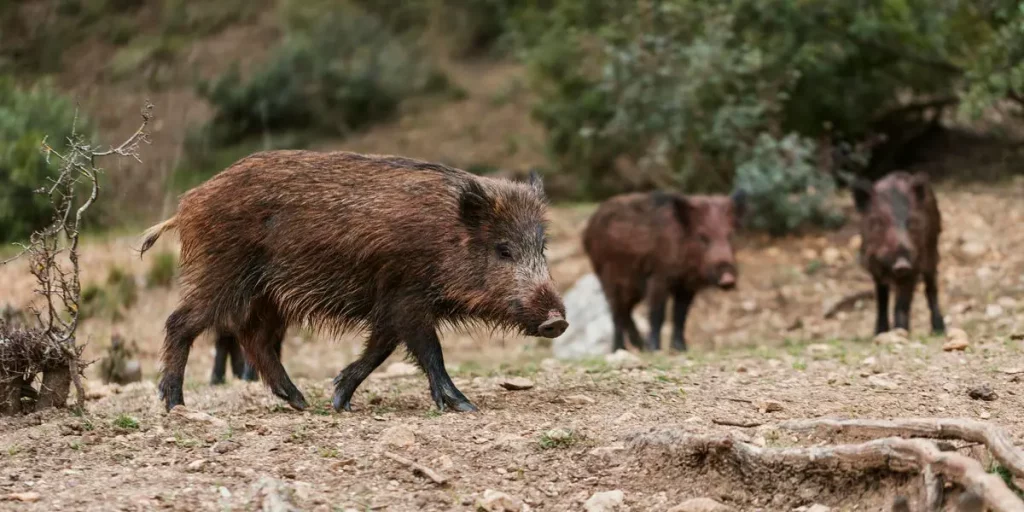
- Agricultural losses: Crop raiding by elephants, wild boars, or birds can devastate harvests.
- Livestock predation: Wolves, lions, or leopards inflict financial losses on pastoralists.
- Property damage: Urban wildlife can damage homes, vehicles, and infrastructure.
3.3 Social and Cultural Implications
- Human safety risks: Attacks on people, particularly in rural areas, create fear and mistrust of wildlife.
- Cultural conflict: Wildlife may hold symbolic or religious significance, complicating management interventions.
- Community resilience: Frequent conflicts can exacerbate poverty, displacement, and social tension.
4. Types of Human-Wildlife Conflict
HWC manifests differently depending on the species, habitat, and human activity.
4.1 Agricultural Conflicts
- Crop raiding: Elephants, monkeys, wild boars, and birds often consume or damage crops.
- Preventive measures: Fencing, deterrents, and crop diversification reduce damage.
4.2 Livestock Depredation
- Predators involved: Large carnivores such as tigers, lions, wolves, and leopards.
- Economic burden: Losses affect subsistence farmers and pastoralists disproportionately.
4.3 Urban Encroachment
- Synanthropic species: Raccoons, foxes, deer, and pigeons thrive in cities, causing sanitation or traffic issues.
- Conflict management: Education, waste control, and habitat modification are key strategies.
4.4 Roadkill and Infrastructure Conflicts
- Vehicle collisions: Deer, moose, elephants, and other large animals create safety hazards.
- Mitigation: Wildlife corridors, underpasses, and signage reduce fatalities.
4.5 Direct Human-Wildlife Attacks
- Human casualties: Predatory species occasionally attack people, often when cornered or defending young.
- Psychological impact: Fear and trauma influence local attitudes toward conservation.
5. Conflict Mitigation Strategies
Effective HWC mitigation requires ecological understanding, community involvement, and adaptive management.
5.1 Physical Barriers
- Fencing: Electric fences or reinforced barriers deter elephants, wolves, or bears.
- Trenches and walls: Protect crops or settlements from small and medium-sized wildlife.
- Exclusion devices: Livestock enclosures or guard animals reduce predation.
5.2 Deterrence Techniques
- Auditory and visual deterrents: Bells, fireworks, lights, or scarecrows discourage wildlife.
- Chemical repellents: Non-lethal sprays or scent markers deter feeding or intrusion.
- Guard animals: Dogs, donkeys, or llamas protect livestock against predators.
5.3 Habitat and Landscape Management
- Buffer zones: Planting non-palatable crops or vegetation reduces attractiveness to wildlife.
- Wildlife corridors: Maintain connectivity to natural habitats, reducing intrusion into human areas.
- Water resource planning: Provide water sources in natural habitats to reduce human-animal competition.
5.4 Community-Based Approaches
- Participatory management: Involve local communities in conservation and conflict mitigation.
- Compensation schemes: Financial compensation for crop or livestock losses reduces retaliatory killings.
- Education and awareness: Promote coexistence strategies and understanding of animal behavior.
5.5 Policy and Governance
- Regulation enforcement: Protect endangered species while addressing human concerns.
- Integrated conservation planning: Harmonize wildlife protection with land-use policies.
- Monitoring and research: Data-driven management improves decision-making and conflict prediction.
6. Case Studies of Human-Wildlife Conflict
6.1 Elephants in Africa and Asia
- Conflict type: Crop raiding and property damage.
- Management strategies: Beehive fences, early warning systems, and community engagement programs.
- Outcomes: Reduced crop loss and increased tolerance toward elephants.
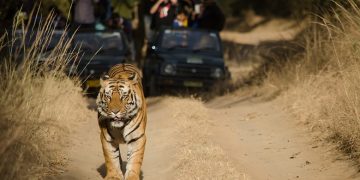
6.2 Tigers and Leopards in India and Nepal
- Conflict type: Livestock predation and occasional human attacks.
- Management strategies: Livestock enclosures, rapid response teams, and compensation programs.
- Outcomes: Decreased retaliatory killings and improved coexistence.
6.3 Urban Coyotes in North America
- Conflict type: Pet predation, property damage, and human encounters.
- Management strategies: Public education, hazing techniques, and waste management.
- Outcomes: Increased public awareness and reduced negative interactions.
7. Role of Technology in Conflict Mitigation
Modern technology enhances the ability to manage HWC effectively:
- Remote sensing and GPS tracking: Monitor animal movements to predict conflict zones.
- Camera traps and drones: Detect wildlife presence near human settlements.
- Data analytics: Predict patterns of crop raiding or predation for proactive management.
- Mobile applications: Enable real-time reporting and community coordination.
These tools facilitate adaptive, science-based approaches to conflict resolution.
8. Ethical Considerations
Addressing HWC involves balancing human safety, economic interests, and wildlife conservation:
- Non-lethal management: Prioritize deterrence, habitat management, and relocation over culling.
- Human rights and livelihoods: Ensure that mitigation strategies do not disproportionately harm local communities.
- Wildlife welfare: Interventions should minimize stress, injury, and disruption to natural behavior.
Ethical frameworks guide both policy and field-level interventions, ensuring fairness and sustainability.
9. Challenges and Future Directions
Despite advances, HWC remains a persistent challenge:
- Population growth and habitat encroachment: Expanding human settlements continue to intersect with wildlife territories.
- Climate change: Altered precipitation, temperature, and vegetation patterns influence wildlife behavior and resource availability.
- Funding and capacity constraints: Many mitigation programs lack adequate resources for long-term sustainability.
- Conflict perception: Cultural attitudes toward wildlife influence management effectiveness.
Future directions include integrated landscape management, participatory conservation, and leveraging technology for predictive conflict modeling.
10. Conclusion
Human-wildlife conflict represents a complex interplay of ecological, social, and economic factors. Effective management requires multi-disciplinary approaches, combining ecological research, community engagement, policy intervention, and technological innovation.
Key principles for mitigating HWC include:
- Understanding wildlife behavior and habitat needs.
- Implementing proactive deterrence and landscape management strategies.
- Engaging local communities through education, compensation, and participatory planning.
- Promoting ethical, non-lethal interventions whenever possible.
By adopting holistic strategies, societies can foster coexistence with wildlife, preserving biodiversity while ensuring human safety and livelihoods. The challenge of human-wildlife conflict is not merely a conservation issue—it is a reflection of humanity’s evolving relationship with the natural world. Addressing it responsibly requires knowledge, collaboration, and long-term commitment to sustainable coexistence.