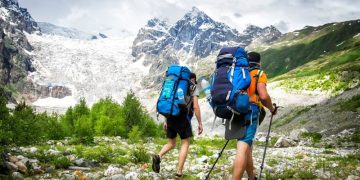










Backpacking through-camping, also referred to as multi-day or wilderness trekking camping, is a form of outdoor adventure that combines hiking with overnight stays in remote natural environments. Unlike car camping, where gear can be transported and campsites are easily accessible, through-camping requires self-sufficiency, endurance, and careful planning. Backpackers carry all necessary equipment, food, and shelter on their backs, navigating trails, uncharted terrain, and often unpredictable weather conditions.
This comprehensive guide explores the strategies, equipment, safety protocols, environmental considerations, and physical and mental preparation necessary for successful backpacking through-camping. It emphasizes professional knowledge, practical tips, and eco-conscious practices to ensure both an enjoyable and responsible wilderness experience.
1. Understanding Backpacking Through-Camping
1.1 Definition and Scope
Through-camping involves continuous travel through a wilderness area, typically lasting multiple days or even weeks, with overnight stays at designated or improvised campsites along the route. The key characteristics include:
- Self-Sufficiency: All gear, food, and water are carried by the backpacker.
- Remote Camping: Access to amenities is limited, emphasizing preparation and survival skills.
- Trail or Off-Trail Navigation: Requires knowledge of maps, GPS, and natural landmarks.
1.2 The Appeal of Backpacking Through-Camping
- Immersion in Nature: Spending multiple days in wilderness allows for a deep connection with the environment.
- Physical Challenge: Builds endurance, strength, and resilience.
- Flexibility and Freedom: Backpackers choose routes, pace, and campsites, often discovering hidden natural treasures.
- Skill Development: Encourages proficiency in navigation, survival, and low-impact camping techniques.
2. Planning and Preparation
2.1 Route Selection
- Trail Difficulty: Evaluate elevation gain, distance, terrain type, and technical obstacles.
- Water Sources: Identify streams, lakes, or reliable water points along the route.
- Regulations and Permits: Many wilderness areas require camping permits or limit group size.
- Emergency Exit Points: Plan for evacuation in case of injury or severe weather.
2.2 Trip Duration and Scheduling
- Consider average daily distance based on fitness and terrain difficulty.
- Account for rest days, inclement weather, and daylight hours.
- Build contingency days into the itinerary.
2.3 Physical Conditioning
- Endurance Training: Long-distance hikes with weighted backpacks simulate trail conditions.
- Strength Training: Focus on legs, core, and shoulders for carrying gear over uneven terrain.
- Flexibility and Balance: Yoga or stability exercises reduce the risk of injury on rugged trails.
2.4 Mental Preparation
- Prepare for solitude, discomfort, and unexpected challenges.
- Practice mindfulness and stress management techniques.
- Develop problem-solving skills for navigation, weather, and logistics.
3. Essential Gear for Backpacking Through-Camping
3.1 Backpack
- Size and Fit: 50–80 liters for multi-day trips, adjustable harness for comfort.
- Load Distribution: Pack heavier items closer to your back to improve stability.
- Accessibility: Compartments for frequently used items such as water, maps, or snacks.
3.2 Shelter
- Lightweight Tents: Easy to pitch, wind-resistant, with durable footprints.
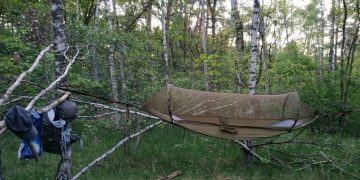
- Tarp or Hammock Systems: Alternative options for minimalist camping or areas with poor tent terrain.
- Sleeping Bags and Pads: Rated for expected nighttime temperatures, providing warmth and comfort.
3.3 Clothing
- Layering System: Moisture-wicking base layer, insulating mid-layer, weatherproof outer layer.
- Footwear: Durable, waterproof hiking boots or trail shoes with proper ankle support.
- Accessories: Hat, gloves, and socks suited to climate and terrain.
3.4 Cooking and Food
- Portable Stoves: Lightweight and fuel-efficient for backcountry use.
- Cookware: Compact pots and utensils.
- High-Calorie, Lightweight Foods: Freeze-dried meals, nuts, energy bars, and dehydrated fruits.
- Water Treatment: Filters, purification tablets, or UV devices for safe drinking water.
3.5 Navigation and Safety Tools
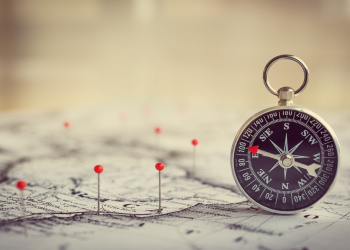
- Maps and Compass: Primary navigation tools; GPS devices as backup.
- Emergency Communication: Satellite phone or personal locator beacon.
- First Aid Kit: Include blister care, medications, and injury treatment supplies.
- Multi-Tool or Knife: Useful for repairs, food prep, and emergency situations.
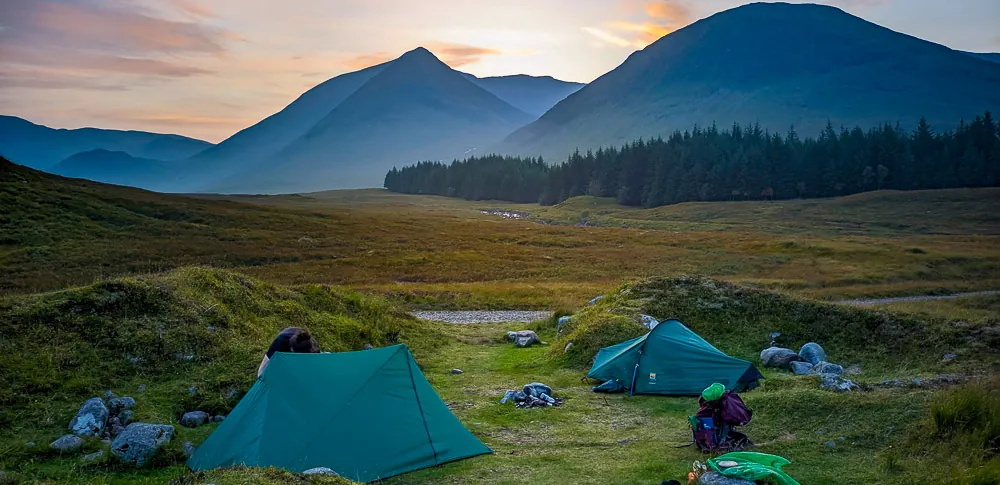
4. Campsite Selection and Setup
4.1 Choosing a Site
- Select durable surfaces such as rock, sand, or dry grass to prevent environmental damage.
- Avoid fragile ecosystems, wetlands, or areas prone to flooding.
- Consider natural windbreaks and flat terrain for safe, comfortable camping.
4.2 Tent Setup Techniques
- Pitch tents with minimal ground disturbance.
- Orient entrance away from prevailing winds to reduce heat loss and wind damage.
- Use guy lines and stakes efficiently to stabilize tents without damaging soil or vegetation.
4.3 Camp Organization
- Keep cooking and sleeping areas separate to avoid attracting wildlife.
- Store food in bear-proof containers or hung food bags in areas with wildlife presence.
- Maintain a clean campsite to minimize environmental impact.
5. Food and Water Management
5.1 Water Sourcing
- Identify natural water sources before departure.
- Treat water using filtration, boiling, or chemical purification.
- Carry extra water in case of dry sections or emergencies.
5.2 Meal Planning
- Plan calorie-dense meals to maintain energy for long hikes.
- Pre-pack ingredients for convenience and minimal waste.
- Use no-cook or minimal-cook meals to save fuel and reduce complexity.
5.3 Waste Management
- Pack out all trash and food scraps.
- Use biodegradable soap sparingly and away from water sources.
- Dispose of human waste according to local regulations (catholes, WAG bags, or designated toilets).
6. Navigation and Trail Skills
6.1 Map Reading and Compass Use
- Identify topographical features, elevation changes, and water crossings.
- Practice triangulation and pacing techniques for accurate positioning.
6.2 GPS and Digital Tools
- Use GPS devices and apps as backup navigation tools.
- Keep digital maps offline in case of signal loss.
- Always cross-reference with paper maps and compass readings.
6.3 Off-Trail Skills
- Assess terrain stability, slope angles, and hazards.
- Use natural landmarks for orientation.
- Maintain awareness of environmental impact when creating informal trails.
7. Safety Considerations
7.1 Weather and Environmental Hazards
- Monitor forecasts for rain, storms, or extreme temperatures.
- Be prepared for sudden weather changes in mountainous or remote regions.
- Learn to recognize signs of hypothermia, heat exhaustion, and dehydration.
7.2 Wildlife Encounters
- Avoid feeding animals and store food securely.
- Understand local wildlife behavior and potential hazards.
- Carry deterrents where legal and appropriate (bear spray, noise makers).
7.3 Emergency Preparedness
- Establish check-in schedules with contacts outside the trail.
- Carry an emergency shelter or bivouac sack.
- Know basic first aid and crevasse or river crossing safety.
8. Leave No Trace and Environmental Responsibility
8.1 Principles of Minimal Impact
- Travel and camp on durable surfaces.
- Dispose of waste properly; pack out all trash.
- Minimize campfire impact and use stoves instead of open fires when possible.
8.2 Respect for Flora and Fauna
- Avoid disturbing plants, nests, or wildlife.
- Maintain distance and silence when observing animals.
8.3 Group Etiquette and Public Use Areas
- Share trails responsibly.
- Keep noise levels low to preserve wilderness experience.
- Respect other campers’ privacy and natural settings.
9. Psychological and Experiential Benefits
9.1 Mental Clarity and Mindfulness
- Long-distance trekking promotes reflection and stress reduction.
- Immersion in nature encourages focus, awareness, and presence.
9.2 Personal Growth
- Managing logistics, navigation, and unexpected challenges builds confidence.
- Endurance through multi-day hikes fosters resilience and self-reliance.
9.3 Connection with Nature
- Observing ecosystems, wildlife, and landscapes deepens environmental appreciation.
- Multi-day exposure to wilderness creates lasting memories and a sense of adventure.
10. Sample 5-Day Backpacking Itinerary
Day 1 – Trailhead to First Campsite
- Hike 8–12 km, set up camp near water source.
- Evening: Organize gear and prepare meals.
Day 2 – Intermediate Terrain
- Cover moderate elevation gains.
- Observe flora and fauna; maintain hydration and pacing.
- Camp in durable, pre-selected sites.
Day 3 – Peak or Ridge Crossing
- Optional summit or high-point exploration.
- Record observations and map notes.
- Evening: Review safety procedures and trail plan.
Day 4 – Descending to Lower Elevations
- Moderate pace to conserve energy.
- Evening: Maintain campsite cleanliness and pack out any accumulated waste.
Day 5 – Trailhead Return
- Complete final segment; ensure all gear and trash are carried out.
- Debrief trip experience and document lessons learned.
11. Advanced Techniques for Experienced Backpackers
- Ultralight Packing: Reduce pack weight through optimized gear selection.
- Backcountry Cooking: Efficient stove use and meal preparation in challenging conditions.
- Advanced Navigation: GPS mapping, terrain reading, and off-trail survival skills.
- Emergency Scenarios: Water scarcity management, evacuation strategies, and injury response.
12. Conclusion
Backpacking through-camping offers an unparalleled wilderness experience that combines physical challenge, mental resilience, and environmental appreciation. Success relies on careful planning, appropriate gear, strong navigation skills, and adherence to Leave No Trace principles. By immersing in nature responsibly, backpackers not only gain adventure and personal growth but also contribute to the conservation of the landscapes they explore.
Whether traversing alpine ridges, dense forests, or remote valleys, backpacking through-camping fosters a profound connection with the natural world, creating memories and skills that last a lifetime. Proper preparation ensures that each expedition is safe, enjoyable, and sustainable, leaving the wilderness as pristine as it was found.