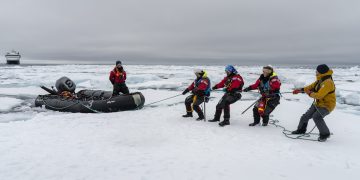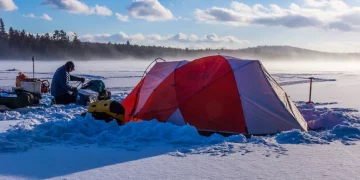










Icefield camping, also known as glacier or polar camping, is one of the most extreme and rewarding forms of outdoor adventure. It combines technical mountaineering, high-altitude endurance, and the pristine beauty of frozen landscapes. From the Arctic tundra to alpine glaciers, icefield camping offers adventurers a rare opportunity to immerse themselves in vast, icy wildernesses, experience stunning glacial formations, and observe polar wildlife in their natural habitat.
This comprehensive guide covers all aspects of icefield camping, including preparation, gear selection, safety protocols, route planning, environmental considerations, and survival techniques. Designed for both experienced mountaineers and serious outdoor enthusiasts, it emphasizes professional knowledge and practical strategies to maximize safety, efficiency, and environmental responsibility.
1. Understanding Icefield Camping
1.1 What is an Icefield?
An icefield is a large expanse of interconnected glaciers that covers mountainous regions or polar landscapes. Unlike individual glaciers, icefields lack significant topographic confinement, allowing ice to flow freely across valleys and plateaus. Icefield camping involves overnight stays directly on or near these glaciers, often in remote, high-altitude, or polar environments.
1.2 Why Icefield Camping is Unique
- Extreme Conditions: Exposure to subzero temperatures, strong winds, and snowstorms.
- Remote Wilderness: Limited accessibility requires advanced logistical planning.
- Environmental Beauty: Features include ice caves, crevasses, seracs, and frozen lakes.
- Wildlife Observation: Opportunities to see polar bears, seals, arctic foxes, and migratory birds in remote areas.
2. Physical and Mental Preparation
2.1 Physical Conditioning
Icefield camping demands exceptional fitness and endurance:
- Cardiovascular Training: Running, cycling, or stair climbing to improve lung capacity for high-altitude or cold-weather exertion.
- Strength Training: Focus on legs, core, and upper body to manage backpacks, snowshoes, and climbing equipment.
- Endurance Hiking: Simulate glacier travel by training with weighted packs on uneven terrain.
2.2 Mental Preparation
- Cold Exposure Training: Gradual exposure to cold environments to build tolerance.
- Problem-Solving Skills: Glacier travel involves crevasse navigation and route adjustment under dynamic conditions.
- Stress Management: Icefield camping often requires calm decision-making during storms or extreme cold.
3. Gear and Equipment Essentials
3.1 Shelter
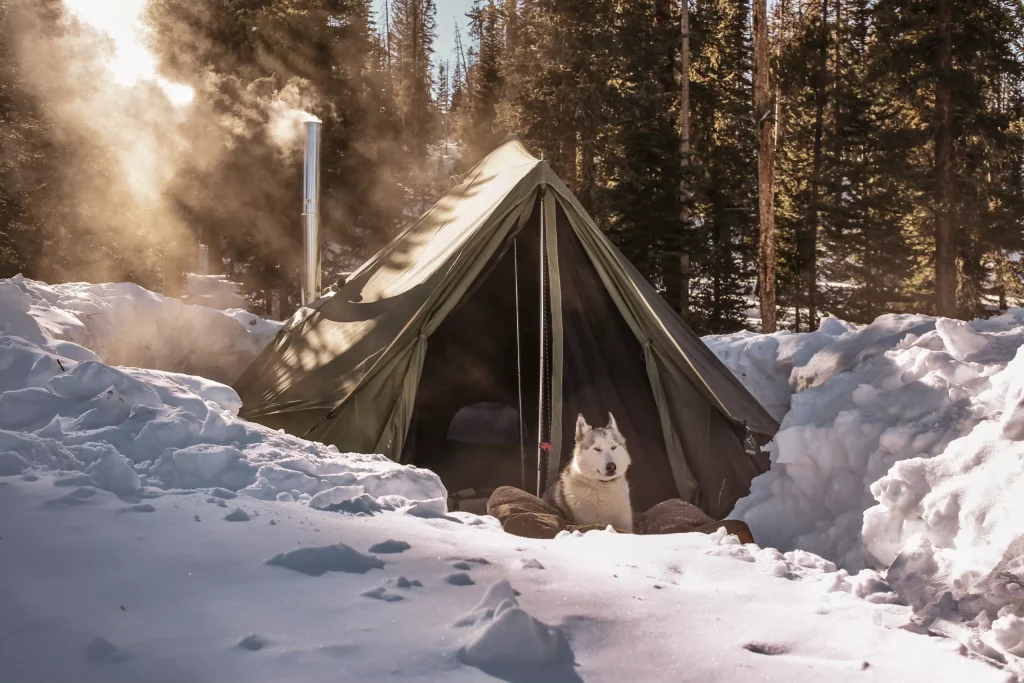
- Four-Season Tents: High-wind and snow-resistant, with robust poles and low-profile design.
- Snow Anchors and Ice Stakes: Essential for tent stability in icy and snowy terrain.
- Footprints: Protect tent floor from abrasion and provide insulation.
3.2 Sleeping Systems
- Sleeping Bags: Rated to -30°C to -40°C (-22°F to -40°F), preferably down-insulated.
- Sleeping Pads: Inflatable or closed-cell pads to provide thermal insulation from ice and snow.
- Bivouac Sacks: Optional for extreme cold or emergency shelters.
3.3 Clothing
- Base Layers: Moisture-wicking thermal underwear to keep skin dry.
- Mid Layers: Fleece or synthetic insulation for warmth.
- Outer Layers: Waterproof and windproof jackets and pants.
- Accessories: Balaclava, insulated gloves, mittens, and thermal socks.
3.4 Technical Equipment
- Crampons and Ice Axes: For glacier travel and steep ice slopes.
- Harness and Ropes: Essential for crevasse rescue and group safety.
- Trekking Poles: Provide stability on uneven snow and ice.
- Avalanche Safety Gear: Beacon, probe, and shovel when in avalanche-prone zones.
3.5 Cooking and Hydration
- Stove Systems: Liquid fuel stoves or white gas stoves perform reliably in subzero temperatures.
- Insulated Cookware: Reduce fuel consumption and prevent freezing.
- Water Management: Melt snow or ice safely, using filters or purification methods to prevent contamination.
4. Planning an Icefield Expedition
4.1 Route Selection
- Assess glacier topography, crevasse locations, and avalanche risk.
- Identify natural shelters, flat tent sites, and water sources.
- Check historical weather data and seasonal conditions.
4.2 Timing and Seasonal Considerations
- Polar Regions: Travel during the short summer period when temperatures are less extreme, but daylight is prolonged.
- Alpine Glaciers: Late spring to early summer offers more stable snow bridges and reduced avalanche risk.
- Weather Windows: Plan trips around forecasted low-wind, high-pressure periods.
4.3 Permits and Regulations
- Many regions require permits due to environmental protection or restricted access.
- National parks and polar reserves often mandate certified guides or specific safety equipment.
5. Camp Setup and Site Selection
5.1 Choosing a Tent Site
- Avoid crevasses, snow bridges, and areas prone to icefall.
- Select wind-protected zones using natural terrain features.
- Avoid slopes exceeding 10–15 degrees to prevent sliding hazards.
5.2 Snow Anchoring Techniques
- Deadman Anchors: Bury objects horizontally in snow to secure tents.
- Ice Screws and Stakes: Essential for icy surfaces.
- Guy Lines: Use multiple angles to distribute wind load evenly.
5.3 Minimizing Impact
- Use established camping zones when available.
- Avoid disturbing ice formations or glacial sediment.
- Leave no trace: pack out all waste, including human waste where regulations require.
6. Safety Considerations
6.1 Cold Weather Hazards
- Hypothermia: Monitor core temperature; layer clothing appropriately.
- Frostbite: Protect extremities with insulated gloves and proper footwear.
- Wind Chill: Use windbreaks and tent orientation to minimize exposure.
6.2 Glacier Travel Hazards
- Crevasses: Rope team travel and probing essential.
- Seracs and Icefalls: Avoid camping directly below unstable ice towers.
- Avalanches: Assess slope stability, avoid steep terrain, and carry safety equipment.
6.3 Emergency Protocols
- Carry satellite communication devices for remote areas.
- Maintain a group plan for crevasse rescue or medical emergencies.
- Always inform authorities or base contacts of itinerary and expected return.
7. Food, Water, and Energy Management
7.1 Nutritional Requirements
- High-calorie, high-fat foods maintain energy in extreme cold.
- Freeze-dried meals, nuts, and energy bars are lightweight and efficient.
- Electrolyte supplementation is important due to cold-induced dehydration.
7.2 Hydration
- Melt snow using insulated containers and stoves.
- Avoid eating snow directly as it lowers core temperature.
- Use insulated bottles to prevent freezing.
7.3 Cooking in Extreme Cold
- Reduce fuel loss by preheating stoves in wind-protected areas.
- Avoid cooking inside tents to prevent carbon monoxide buildup.
- Minimize boil times to conserve fuel and maintain warmth.
8. Environmental Responsibility
8.1 Leave No Trace on Icefields
- Carry out all trash and human waste where required.
- Avoid altering ice formations or compacting pristine snow unnecessarily.
- Use environmentally friendly fuel sources and minimize black carbon emissions.
8.2 Wildlife Considerations
- Maintain distance from polar bears, seals, and nesting birds.
- Store food securely to prevent wildlife encounters.
8.3 Climate Awareness
- Recognize that icefields are sensitive indicators of climate change.
- Avoid practices that accelerate melting or disturb fragile ecosystems.
9. Psychological and Experiential Benefits
9.1 Solitude and Mindfulness
- Remote icefields offer unparalleled quiet and introspection.
- Exposure to vast, frozen landscapes enhances mindfulness and mental clarity.
9.2 Connection with Nature
- Observing glacial formations, ice caves, and polar wildlife fosters a deep appreciation for natural processes.
- Experiencing the extreme environment builds resilience and respect for environmental forces.
9.3 Personal Growth
- Managing risk, planning logistics, and coping with adversity enhances confidence.
- Icefield camping encourages problem-solving and adaptability in challenging conditions.
10. Sample 5-Day Icefield Camping Itinerary
Day 1 – Arrival and Acclimatization
- Establish base camp near glacier terminus or flat icefield zone.
- Check gear, secure tents, and conduct initial reconnaissance of surroundings.
Day 2 – Glacier Travel Training
- Practice rope team travel, crevasse rescue drills, and crampon use.
- Conduct a short day hike on adjacent icefields to assess snow conditions.
Day 3 – Expedition Trek
- Traverse planned glacier route, observing seracs and ice formations.
- Set up secondary campsite on stable snowfield.
- Evening: Monitor weather and adjust plans for safety.
Day 4 – Exploration and Observation
- Optional ice cave exploration or short peak ascent.
- Record observations of icefield dynamics, wildlife, and snow stability.
- Evening: Prepare for extreme cold overnight.
Day 5 – Return and Debrief
- Pack all gear and ensure no traces remain.
- Conduct final team check and descend to lower terrain.
- Review expedition learnings and safety practices.
11. Advanced Techniques for Experienced Campers
- Crevasse Rescue Proficiency: Rope self-rescue, pulley systems, and anchored belays.
- Ice Anchoring Mastery: Use combination of snow, ice, and rock anchors.
- Navigation in Whiteout Conditions: GPS, altimeter, and compass navigation essential.
- Emergency Shelter Techniques: Build snow walls, quinzhees, or emergency tents.
12. Conclusion
Icefield camping is a pinnacle of outdoor adventure, combining technical skill, physical endurance, and profound connection to the planet’s most extreme environments. Success depends on careful planning, proper gear, environmental awareness, and mental resilience. By respecting the delicate icefield ecosystems, practicing Leave No Trace principles, and prioritizing safety, adventurers can experience the awe-inspiring beauty of glaciers, polar landscapes, and frozen wilderness responsibly.
Whether observing the shimmer of ice caves, the grandeur of seracs, or the northern lights over a frozen expanse, icefield camping offers a transformative journey—one that tests endurance, cultivates mindfulness, and deepens appreciation for the natural world. Proper preparation ensures that each expedition is not only safe and memorable but also leaves these pristine environments untouched for generations to come.