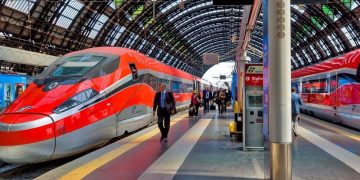










Europe boasts one of the most extensive and sophisticated railway networks in the world, offering efficient, comfortable, and scenic travel across national borders. Trans-European trains, ranging from high-speed connections like the TGV and ICE to regional EuroCity services and historic night trains, provide a sustainable alternative to air travel, enabling travelers to explore multiple countries with ease and environmental responsibility.
This guide examines the professional, operational, and practical aspects of trans-European train travel, covering ticketing systems, route planning, train categories, onboard amenities, safety, environmental impact, and travel strategies for both leisure and business passengers. Designed for frequent travelers, rail enthusiasts, and professionals, it emphasizes efficiency, sustainability, and the cultural richness of European railways.
1. Overview of Trans-European Rail Networks
1.1 Historical Development
- The European railway system dates back to the early 19th century, initially connecting major industrial cities.
- The post-World War II era saw modernization and international cooperation, leading to networks such as the Trans-European Transport Network (TEN-T).
- The introduction of high-speed lines in the 1980s and 1990s, such as France’s TGV and Germany’s ICE, revolutionized cross-border travel.
1.2 Scope and Connectivity
- Europe’s rail network spans more than 220,000 kilometers, connecting over 40 countries.
- Key international corridors include:
- Paris–Brussels–Amsterdam–Berlin
- Rome–Milan–Zurich–Munich
- Vienna–Budapest–Belgrade
- Interoperability agreements allow trains to cross borders efficiently, despite differences in rail gauge, electrification, and signaling systems.
2. Categories of Trans-European Trains
2.1 High-Speed Rail (HSR)
- TGV (France): Speeds up to 320 km/h, connecting major cities in France and neighboring countries.
- ICE (Germany): Integrated into international routes such as Frankfurt–Basel–Zurich.
- Eurostar (UK–France–Belgium): Operates through the Channel Tunnel, connecting London with Paris and Brussels.
- Italo (Italy): Private high-speed service linking Rome, Milan, and Naples.
Advantages: Fast travel, modern amenities, frequent services.
Considerations: Premium pricing; reservations often required.
2.2 InterCity and EuroCity Trains
- Serve medium to long distances between major European cities.
- Offer a balance between speed, cost, and comfort.
- EuroCity (EC) trains typically operate internationally, while InterCity (IC) focuses on domestic routes.
2.3 Night Trains
- Provide overnight connections, combining travel and accommodation.
- Examples:
- ÖBB Nightjet: Vienna–Rome, Berlin–Zurich
- Thello: Paris–Venice
- Snälltåget: Germany–Sweden
- Advantages: Efficient for long distances, saves accommodation costs.
- Considerations: Requires advance booking; berth and cabin selection impact comfort.
2.4 Regional and Commuter Cross-Border Services
- Connect neighboring countries for short trips (e.g., Basel–Mulhouse, Copenhagen–Malmö).
- Often integrated with local transit systems, enabling seamless travel.
3. Ticketing and Reservations
3.1 Rail Passes
- Eurail Pass: Covers multiple European countries for non-European residents.
- Interrail Pass: Designed for European residents; offers flexible travel days and unlimited rides within validity.
- Country-Specific Passes: For travelers focusing on one country (e.g., Swiss Travel Pass, German Rail Pass).
Benefits: Cost-effective for multi-country itineraries, flexibility, access to various trains.
3.2 Point-to-Point Tickets
- Purchased online, at stations, or via mobile apps.
- Early booking often yields discounts (supersaver fares, advance tickets).
- Reservation requirements vary; high-speed and night trains typically require seat reservations.
3.3 Pricing Strategies
- Book in advance to secure lower fares.
- Consider alternative departure times to reduce cost.
- Loyalty programs and rail cards (e.g., BahnCard in Germany) offer discounts.
4. Route Planning and Logistics
4.1 Efficient Itinerary Design
- Identify key cities and scenic routes.
- Balance travel time with exploration time at destinations.
- Use online journey planners and rail apps (e.g., DB Navigator, SNCF Connect, Rail Planner).
4.2 Interconnectivity Between Trains
- Connections are generally reliable but require consideration of transfer times.
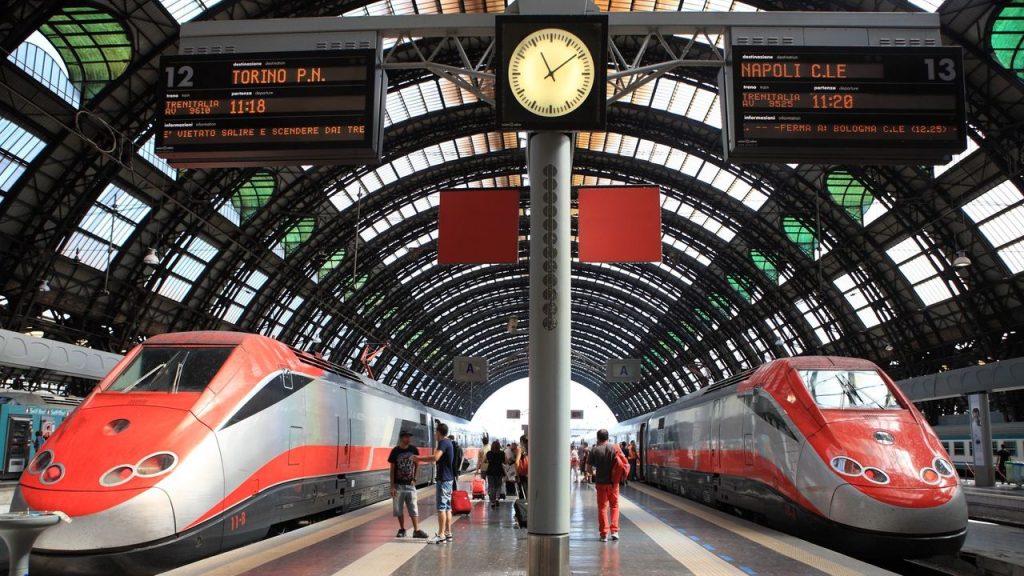
- Major hubs: Paris Gare du Nord, Frankfurt Hauptbahnhof, Vienna Hauptbahnhof, Milan Centrale.
- Consider buffer time for customs, ticket validation, or train delays.
4.3 Seasonal Considerations
- Summer: Peak tourist season, higher fares, crowded trains.
- Winter: Scenic snow-covered landscapes; some routes may have reduced frequency.
- Spring and Autumn: Ideal for fewer crowds, moderate weather, and cultural festivals.
5. Onboard Amenities and Comfort
5.1 Seating and Cabin Classes
- First Class: Spacious seating, power outlets, complimentary refreshments, Wi-Fi.
- Second Class: Comfortable seating, slightly less space, access to dining car services.
- Sleeping Cars: Night trains offer couchettes and private cabins.
5.2 Dining Options
- Dining cars provide regional cuisine, snacks, and beverages.
- Some high-speed trains have trolley services for onboard refreshments.
- Bring personal snacks for long journeys or when traveling on regional trains.
5.3 Accessibility and Services
- Modern trains equipped for travelers with disabilities.
- Luggage storage at overhead racks and dedicated compartments for large items.
- Wi-Fi and charging ports available on most high-speed and international trains.
6. Safety and Security
6.1 General Safety Measures
- Rail travel is one of the safest modes of transport in Europe.
- Trains undergo regular maintenance and safety inspections.
- Emergency procedures are displayed in carriages.
6.2 Passenger Security
- Keep personal belongings within sight.
- Use lockers or luggage compartments for unattended bags.
- Be aware of pickpockets in crowded stations and trains.
6.3 Health Considerations
- Most trains have restrooms, first aid kits, and climate control.
- Night trains require vigilance with food, sleeping arrangements, and hygiene.
- For long journeys, stand periodically to maintain circulation.
7. Environmental Benefits of Rail Travel
- Trains emit significantly less CO₂ per passenger-kilometer than cars or planes.
- High-speed electric trains are particularly eco-friendly.
- Encourages sustainable tourism and reduces road congestion.
- Many European rail operators invest in renewable energy sources.
8. Scenic Routes and Iconic Journeys
8.1 Alpine Crossings
- Swiss and Austrian Alps: Zürich–Innsbruck–Venice, scenic views of glaciers and mountains.
- Bernina Express: Tirano (Italy) to Chur (Switzerland), UNESCO World Heritage route.
8.2 Coastal and River Routes
- Rhine Valley Express: Cologne–Basel, views of castles and vineyards.
- West Coast Norway: Bergen–Oslo, fjord vistas and rugged coastlines.
8.3 Historic and Cultural Routes
- Paris–Rome: Passes through Burgundy, the Alps, and Tuscany.
- Berlin–Prague–Vienna: Central European cultural corridor.
- Night trains from Scandinavia to Central Europe offer aurora viewing and cultural experiences.
9. Advanced Travel Strategies
9.1 Multi-Country Itineraries
- Use a combination of high-speed, EuroCity, and regional trains.
- Incorporate overnight trains to maximize daytime sightseeing.
- Apply rail passes strategically to cover high-cost segments.
9.2 Budget-Friendly Options
- Travel in second class, off-peak times.
- Combine local trains with high-speed segments for cost savings.
- Take advantage of special deals and supersaver tickets.
9.3 Maximizing Comfort and Productivity
- Bring noise-canceling headphones or earplugs.
- Carry portable chargers and power banks.
- Plan work or reading sessions during long journeys for efficiency.
10. Future Developments in European Rail Travel
- Expansion of high-speed networks (e.g., Lyon–Turin, Madrid–Lisbon).
- Integration with other sustainable modes, including bicycles and electric buses.
- Enhanced digital booking platforms for seamless cross-border travel.
- Introduction of more eco-friendly trains with hydrogen or battery propulsion.
11. Cultural and Experiential Benefits
- Traveling by train allows immersion in local cultures, from regional foods to small-town architecture.
- Stations themselves are often historic landmarks with architectural significance.
- Slow travel encourages observation of landscapes, fostering deeper connection with the environment.
- Train travel is inherently social, offering opportunities to meet fellow travelers and locals.
12. Conclusion
Trans-European trains provide a unique, sustainable, and efficient way to explore the continent. Whether traveling at high speed across borders, enjoying scenic night journeys, or navigating regional networks, rail travel combines comfort, cultural immersion, and environmental responsibility. With careful planning, knowledge of ticketing systems, and an understanding of routes and amenities, travelers can optimize both cost and experience.
Europe’s railway network exemplifies connectivity, efficiency, and innovation, offering a transformative way to traverse diverse landscapes, historical cities, and cultural regions. For modern travelers seeking adventure, convenience, and ecological mindfulness, trans-European trains remain an indispensable mode of transport.