









Introduction
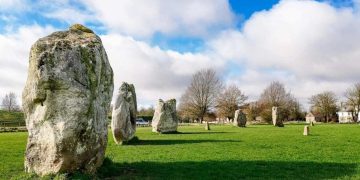
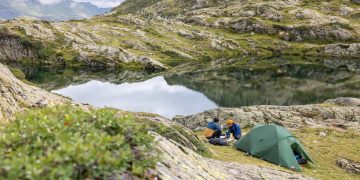
As modern life becomes increasingly urbanized, automated, and predictable, a growing number of adventurers are deliberately turning toward the opposite extreme—extreme camping in uninhabited zones, often referred to as “no-man’s-land” camping. These environments lie far beyond established campsites, rescue infrastructure, and even reliable maps. Deserts with no water sources, polar tundra devoid of vegetation, high-altitude plateaus, dense jungles, salt flats, volcanic regions, and deep wilderness reserves represent places where human presence is temporary, fragile, and constantly challenged.
Unlike recreational camping, extreme camping in uninhabited zones is not designed for comfort or convenience. It is a high-risk, high-commitment form of outdoor exploration that tests physical endurance, psychological resilience, technical competence, and ethical responsibility. This article provides a comprehensive, professional, and structured examination of this demanding practice—its motivations, environments, skills, risks, logistics, ethics, and broader meaning in the modern world.
1. Defining “Uninhabited Zone Extreme Camping”
1.1 What Is an Uninhabited Zone?
An uninhabited zone is an area where:
- There is no permanent human settlement
- Infrastructure such as roads, shelters, or communication networks is absent
- Emergency response may be delayed or impossible
- Environmental conditions are naturally hostile to sustained human life
Examples include deep deserts, polar regions, remote mountain ranges, untracked forests, and isolated islands.
1.2 What Makes Camping “Extreme”?
Extreme camping differs from traditional wilderness camping in several ways:
- Survival margins are minimal
- Self-rescue is often the only option
- Environmental hazards are constant
- Equipment failure can be fatal
Extreme camping is not a leisure activity—it is a survival-oriented expedition.
2. Why People Choose to Camp in No-Man’s-Land
2.1 The Search for Absolute Solitude
In uninhabited zones, solitude is not symbolic—it is total. There are no crowds, no artificial noise, and no immediate social safety net. For many, this isolation provides:
- Mental clarity
- Psychological reset
- Freedom from social roles
Solitude becomes an active element of the experience rather than a side effect.
2.2 Testing Human Limits
Extreme camping attracts individuals seeking to understand their personal thresholds:
- How little can I survive with?
- How do I function under sustained stress?
- What happens when failure has real consequences?
These questions drive people toward environments that offer honest feedback.
2.3 Reconnecting With Fundamental Survival Reality
Modern society shields individuals from basic survival challenges. Uninhabited-zone camping strips life down to essentials:
- Shelter
- Water
- Heat regulation
- Energy management
This return to fundamentals is often described as deeply grounding and transformative.
3. Types of Uninhabited Environments and Their Challenges
3.1 Desert No-Man’s-Land
Key hazards include:
- Extreme dehydration
- Heat stroke and hypothermia (day/night contrast)
- Navigation errors due to featureless terrain
Water logistics dominate all planning decisions.
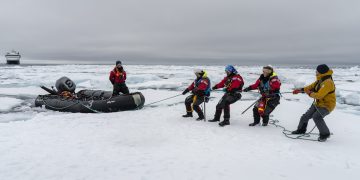
3.2 Polar and Subpolar Regions
Challenges include:
- Sub-zero temperatures
- Limited daylight or constant darkness
- Equipment brittleness
- Caloric deficits
Psychological strain from monotony and isolation is severe.
3.3 High-Altitude Plateaus and Mountains
Risks involve:
- Hypoxia and altitude sickness
- Rapid weather shifts
- Limited fuel and shelter options
Small mistakes compound quickly at elevation.
3.4 Dense Jungle and Rainforest Zones
Hazards include:
- Constant moisture and infection risk
- Navigation difficulty
- Wildlife and insects
- Limited visibility and drying options
Energy expenditure is extremely high.
4. Core Skills Required for Extreme No-Man’s-Land Camping
4.1 Advanced Navigation and Route Planning
Without trails or landmarks, campers must master:
- Map and compass triangulation
- Terrain association
- Celestial navigation (where applicable)
- Redundant navigation strategies
Navigation failure is one of the leading causes of fatalities.
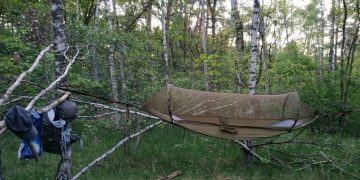
4.2 Shelter Systems for Hostile Environments
Shelter must balance:
- Weight efficiency
- Wind and temperature resistance
- Condensation management
- Rapid deployment
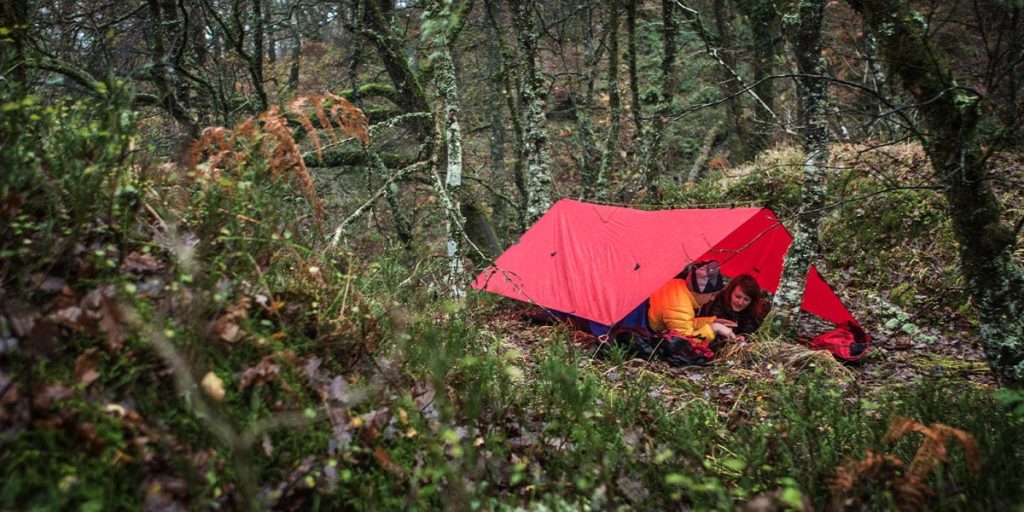
In extreme zones, shelter is often the primary life-support system.
4.3 Water Procurement and Management
Strategies include:
- Carrying calculated reserves
- Snow and ice melting
- Water rationing protocols
- Contamination prevention
Improper water planning ends expeditions quickly.
4.4 Energy, Nutrition, and Metabolic Planning
Extreme environments dramatically increase caloric needs. Planning involves:
- High-density nutrition
- Cold-weather metabolism considerations
- Fuel efficiency
- Energy conservation techniques
Starvation can occur even with food present if energy balance is mismanaged.
5. Equipment Philosophy: Reliability Over Comfort
5.1 Redundancy Without Excess
In uninhabited zones:
- Every item must justify its weight
- Redundancy is critical for life-support systems
- Multi-function tools are preferred
Gear failure without backup can be fatal.
5.2 Technology as Backup, Not Crutch
Many extreme campers carry:
- Satellite communication devices
- Emergency beacons
- GPS units
However, responsible practitioners assume technology may fail and plan accordingly.
5.3 Clothing as Survival Architecture
Layering systems must manage:
- Moisture
- Insulation
- Wind protection
Clothing choices often determine survival more than shelter.
6. Psychological Challenges of Extreme Isolation Camping
6.1 Cognitive Load and Decision Fatigue
Constant risk assessment leads to:
- Mental exhaustion
- Slower reaction times
- Increased error probability
Managing cognitive energy is as important as managing food or fuel.
6.2 Fear, Anxiety, and Emotional Regulation
Uninhabited zones amplify fear due to:
- Darkness
- Silence
- Lack of escape options
Successful campers develop emotional control through training and experience.
6.3 Solitude-Induced Psychological Shifts
Extended isolation can produce:
- Heightened self-awareness
- Distorted time perception
- Emotional intensity
These effects can be transformative—or destabilizing—depending on preparedness.
7. Risk Management and Safety Protocols
7.1 Pre-Expedition Risk Analysis
Professional-level planning includes:
- Environmental threat modeling
- Worst-case scenario planning
- Exit strategies and abort criteria
Optimism bias is actively countered.
7.2 Medical Self-Sufficiency
Campers must be capable of:
- Treating injuries
- Managing hypothermia or heat illness
- Recognizing infection or altitude sickness
Medical evacuation may not be possible.
7.3 Ethical Limits and Abort Decisions
Knowing when to stop is a survival skill. Responsible campers:
- Respect environmental warning signs
- Accept failure without ego
- Prioritize life over achievement
8. Ethics and Environmental Responsibility
8.1 Leave No Trace in Fragile Environments
Uninhabited zones are often ecologically sensitive. Ethical practice requires:
- Minimal site impact
- Waste removal
- Avoiding resource depletion
Damage can take decades—or centuries—to heal.
8.2 Respect for Indigenous and Restricted Lands
Some “empty” zones are culturally significant. Campers must:
- Understand legal boundaries
- Respect indigenous stewardship
- Avoid romanticizing emptiness
Absence of infrastructure does not mean absence of meaning.
9. The Physical and Psychological Aftermath
9.1 Reintegration Into Modern Life
Returning from extreme isolation often brings:
- Sensory overload
- Difficulty with trivial concerns
- Altered priorities
Reflection and gradual reintegration are essential.
9.2 Long-Term Impact on Identity
Many extreme campers report:
- Increased self-trust
- Reduced fear of uncertainty
- Stronger connection to nature
The experience reshapes self-perception.
9.3 Acknowledging Loss and Risk
Extreme camping has a cost. Injuries, trauma, and fatalities are realities that must be openly acknowledged, not romanticized.
10. The Future of Extreme No-Man’s-Land Camping
10.1 Shrinking Wilderness, Growing Intensity
As accessible wilderness decreases, remaining uninhabited zones become:
- More fragile
- More regulated
- More dangerous
Future expeditions will require greater responsibility.
10.2 Integration of Ancient Skills and Modern Science
The most effective practitioners blend:
- Primitive survival knowledge
- Modern materials science
- Data-driven planning
This hybrid approach defines the future of extreme camping.
10.3 Why Humans Will Continue to Seek These Places
Uninhabited zones offer something rare:
- Honest consequence
- Undiluted reality
- A mirror for human limits
As long as people seek meaning beyond comfort, these places will continue to call.
Conclusion
Extreme camping in uninhabited zones is not about conquering nature or proving dominance. It is about entering environments where human presence is conditional, temporary, and deeply dependent on respect, preparation, and humility. In these places, every decision matters, every resource counts, and every mistake teaches immediately.
For those who approach it responsibly, this form of camping offers unmatched clarity. It strips life down to essentials and reveals what remains when comfort, convenience, and certainty disappear. In the silence of no-man’s-land, individuals often discover not emptiness, but a profound connection—to the environment, to time, and to the fragile yet capable nature of being human.
At the edge of habitability, survival becomes awareness, and camping becomes a dialogue with the limits of life itself.