









Introduction
Extreme weather is an undeniable force of nature that can pose serious threats to the safety of outdoor enthusiasts. Whether it’s blistering heat, freezing cold, sudden storms, or unpredictable weather patterns, the wilderness presents a range of challenges that demand respect and preparation. Understanding how to anticipate, adapt, and survive under extreme weather conditions is essential for anyone who ventures into the great outdoors.
In this article, we will explore strategies for handling extreme weather while camping, hiking, or traveling in the wilderness. From the key principles of weather preparedness to the best gear and techniques for managing the elements, this guide offers expert advice on staying safe and comfortable even in the most severe weather conditions. Whether you’re heading into the mountains, deserts, forests, or remote wilderness, knowing how to handle extreme weather can be the difference between a successful adventure and a dangerous, life-threatening situation.
1. Understanding Extreme Weather
1.1 What Constitutes Extreme Weather?
Extreme weather refers to unusual, severe, or unseasonable weather patterns that can significantly disrupt human activity and the environment. These conditions include, but are not limited to:
- Heatwaves: Extended periods of excessively high temperatures that can lead to dehydration, heatstroke, and exhaustion.
- Freezing Cold: Prolonged exposure to low temperatures can result in frostbite, hypothermia, and other cold-related injuries.
- Heavy Snow and Ice Storms: Snowfall and freezing rain that can lead to poor visibility, dangerous road conditions, and hypothermic risks.
- Thunderstorms and Lightning: Intense storms that bring heavy rain, strong winds, and lightning, increasing the risk of injury or fire.
- Tornadoes and Hurricanes: Extremely powerful, rotating storms that can devastate large areas, making outdoor activity dangerous and unpredictable.
Understanding the type of extreme weather you’re likely to encounter in your region or destination is essential in preparing for and mitigating risks associated with these conditions.
2. Risks and Hazards of Extreme Weather
Extreme weather introduces a host of potential dangers that can affect your physical well-being, safety, and ability to navigate through the outdoors. Key risks include:
2.1 Heat-related Illnesses
In regions prone to heatwaves or high temperatures, exposure to extreme heat can cause serious health problems. Heat exhaustion and heatstroke are among the most common heat-related illnesses, which occur when the body can no longer regulate its temperature. These conditions can be life-threatening without immediate intervention.
- Heat Exhaustion: Symptoms include dizziness, heavy sweating, nausea, weakness, and pale skin.
- Heatstroke: A medical emergency that occurs when the body’s core temperature exceeds 104°F (40°C). Symptoms include confusion, dry skin, rapid heartbeat, and loss of consciousness.
2.2 Hypothermia and Frostbite
In cold environments, exposure to freezing temperatures without adequate protection can cause severe cold-related injuries:
- Hypothermia: Occurs when the body loses heat faster than it can produce it, causing a drop in core body temperature to below 95°F (35°C). Symptoms include shivering, slurred speech, confusion, and loss of coordination.
- Frostbite: Damage to skin and tissues from exposure to freezing temperatures. It most commonly affects extremities such as fingers, toes, ears, and the nose.
2.3 Physical Injury from Severe Weather
Severe weather can cause conditions that increase the risk of slips, falls, and other injuries. For example, heavy rain can cause slippery surfaces, while snowstorms reduce visibility and make trails treacherous. Lightning strikes and tornadoes pose direct threats to physical safety.
2.4 Disruption of Outdoor Activities
Extreme weather can limit or completely disrupt outdoor activities. Snowstorms, for instance, can block roads, making it impossible to continue your journey, while flash floods can quickly wash out trails and camping sites. These disruptions may leave you stranded or force you to change your plans unexpectedly.

3. Preparing for Extreme Weather
3.1 Researching and Monitoring Weather Conditions
Preparation begins before you even step foot outdoors. Knowing the weather conditions and forecasting them is your first line of defense against extreme weather. There are various ways to track and predict weather patterns:
- Weather Apps and Websites: Use apps and websites that provide up-to-date weather forecasts for your location. Look for hourly and extended forecasts that cover temperature, wind speed, humidity, and storm warnings.
- Weather Radios: A battery-powered or hand-crank weather radio is essential in areas where cellular reception is unreliable. These radios provide continuous access to emergency broadcasts and weather warnings.
- Local Advisories: Pay attention to local weather advisories, such as flood warnings, wind chill advisories, or heat warnings, before heading into the wilderness.
3.2 Selecting the Right Gear for Extreme Conditions
The right gear can make a significant difference in your ability to endure extreme weather. When facing extreme conditions, whether heat or cold, it’s crucial to equip yourself with the proper protective clothing, shelter, and supplies.
3.2.1 Clothing and Layering Systems
Layering is key in extreme weather, as it allows you to adjust to varying conditions:
- Base Layer: In cold weather, wear moisture-wicking, thermal fabrics (e.g., wool or synthetic materials) to keep your skin dry. For hot conditions, use lightweight, breathable fabrics.
- Insulating Layer: For cold weather, use down jackets or synthetic materials to retain body heat. For warmth in both hot and cold environments, consider fleece or wool.
- Outer Layer: A waterproof, windproof shell jacket is vital for both rain and cold environments. In hot weather, a wide-brimmed hat and UV-protective clothing can prevent sunburn.
3.2.2 Shelter
- Tents: For cold or snowy environments, opt for a 4-season tent, which is designed to withstand heavy snow and harsh winds. In warm weather, a lightweight, breathable tent will help provide ventilation.
- Sleeping Bags: Choose a sleeping bag rated for the conditions you expect. In cold weather, ensure the bag is appropriate for temperatures below freezing, while in warmer conditions, a lighter, summer-rated sleeping bag is ideal.
- Sleeping Pads: A foam pad or air mattress provides insulation from the cold ground in freezing environments and comfort in warmer conditions.
3.2.3 Emergency Tools
- First Aid Kit: Always carry a well-stocked first aid kit, including supplies for treating heat-related illnesses (such as electrolyte tablets) and cold-related injuries (such as frostbite creams).
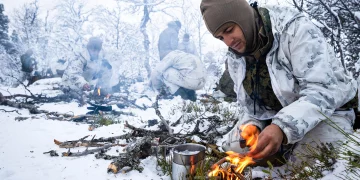
- Fire Starting Tools: Whether you’re battling wet conditions in the cold or seeking warmth in the heat, a reliable fire starter (matches, lighters, fire starter kits) can save your life.
- Water Filtration System: Whether you’re in a cold or hot environment, ensuring access to clean water is crucial. A water filter or purification tablets will provide you with safe drinking water from natural sources.
3.3 Setting Up Camp for Protection
No matter the weather, setting up your camp with safety in mind is critical. Some tips for setting up camp in extreme conditions include:
- Choosing the Right Campsite: Avoid setting up camp in areas prone to flash flooding, such as river valleys or low-lying areas. In cold conditions, set up camp near natural windbreaks like trees or rocks, and ensure the site is elevated to avoid flooding.
- Anchoring Your Tent: In windy conditions, securely stake down your tent and guylines to keep it from being blown away. In cold weather, ensure the tent is closed tight to prevent wind chill.
- Using a Stove Safely: If using a camping stove in cold or wet conditions, always set it up in a well-ventilated area, away from the tent. Never use a stove inside a closed tent as carbon monoxide can build up.
4. Managing Extreme Weather in the Field
Once you’re out in the field, it’s essential to manage extreme weather conditions actively. Here’s how to handle common scenarios:
4.1 Heat and Sun Protection
When faced with extreme heat or direct sun exposure, taking the following precautions is key:
- Hydration: Drink plenty of water throughout the day to avoid dehydration. In hot conditions, aim to drink at least 1 liter of water every hour.
- Shade and Rest: When temperatures soar, find shade whenever possible. Resting in the shade or shelter during the hottest part of the day (typically between 10 AM and 4 PM) can help prevent heat-related illnesses.
- Cooling Techniques: Wet your clothes or bandanas with cool water to help lower body temperature. A portable fan or cooling towel can also help.
4.2 Cold Weather and Hypothermia Prevention
In cold conditions, preventing heat loss and staying dry are essential:
- Layering Up: Continuously add or remove layers to prevent sweating or becoming too cold.
- Active Movement: Keep moving to maintain body heat, especially if you’re waiting out a storm or taking a break.
- Staying Dry: Wet clothing significantly increases the risk of hypothermia. Avoid walking through snow or rain without protective gear, and change out of wet clothes as soon as possible.
4.3 Severe Storms and Lightning
When storms hit, follow these tips to protect yourself:
- Seek Shelter: During thunderstorms or lightning storms, seek shelter in a sturdy building or car if possible. Avoid tall, isolated objects like trees and ridgelines, as they can attract lightning strikes.
- Staying Low: If caught outdoors, crouch low to the ground, minimizing your profile and avoiding contact with wet ground, which increases the risk of lightning strikes.
- Tornado Safety: If you’re in an area where tornadoes are possible, take cover in a low-lying area or ditch, and avoid camping under a tent that could be blown away.
5. Conclusion: Thriving in Extreme Conditions
Surviving and thriving in extreme weather requires preparation, knowledge, and the right mindset. Whether you’re facing the blistering heat of the desert or the freezing cold of a high-altitude mountain pass, being ready for what nature throws at you is the key to a safe and successful outdoor experience.
By researching weather patterns, choosing appropriate gear, and understanding how to adapt to extreme conditions, you can confidently navigate the wilderness, no matter how fierce the weather may become. Preparedness is your best defense, and with the right skills and equipment, you can turn an otherwise dangerous situation into an opportunity for growth and adventure.