








Introduction
Access to clean, potable water is one of the fundamental needs for human survival. Whether for drinking, cooking, or sanitation, clean water is essential to health and well-being. However, millions of people around the world still struggle to access safe drinking water, and even those in developed nations face challenges with water quality due to environmental pollutants, aging infrastructure, and contamination.
In this article, we explore the technologies behind water purification, with a focus on modern solutions for water filtration, desalination, and disinfection. We will delve into the science, innovations, and practical applications of water purification techniques, offering insights into their use in emergency situations, survival scenarios, and large-scale municipal water treatment. By examining different water purification methods and technologies, we aim to provide a comprehensive understanding of how clean water can be produced and accessed in both developed and developing regions.
1. The Need for Water Purification Technology
Water purification is a critical need for both individuals and communities. The World Health Organization (WHO) estimates that approximately 2.2 billion people worldwide lack access to safely managed drinking water. The reasons for this shortage are multifaceted, ranging from inadequate infrastructure and poor sanitation to contamination from industrial waste, agricultural runoff, and natural disasters.
Waterborne diseases, such as cholera, typhoid fever, and dysentery, continue to claim millions of lives each year, particularly in developing countries. In developed nations, concerns about chemical contamination from heavy metals, pesticides, and pharmaceuticals in the water supply are growing, making water treatment technologies even more critical for ensuring public health.
Thus, advancements in water purification technology are not only about providing clean drinking water but also addressing issues like water scarcity, environmental sustainability, and health safety.
2. Types of Water Contaminants
Before understanding the technologies involved in purifying water, it’s important to understand the types of contaminants that need to be removed from water. Contaminants can be broadly categorized into physical, chemical, and biological pollutants:
2.1 Physical Contaminants
Physical contaminants include particles like sediments, dirt, sand, and organic matter that can cause cloudiness or turbidity in water. These contaminants typically do not pose a direct health risk but can interfere with the disinfection process.
- Turbidity: A cloudy or murky appearance due to suspended particles.
- Suspended Solids: Dirt and silt that reduce water quality.
2.2 Chemical Contaminants
Chemical contaminants include substances like pesticides, heavy metals (such as lead, arsenic, mercury), and industrial chemicals. These pollutants can be toxic and pose serious long-term health risks.
- Heavy Metals: These can enter water supplies through industrial discharge or agricultural runoff.
- Chemical Pollutants: Pesticides and solvents are common in agricultural and industrial waste.
2.3 Biological Contaminants
Biological contaminants are microorganisms, including bacteria, viruses, and parasites, that can cause a variety of diseases.
- Bacteria: Pathogenic bacteria like Escherichia coli (E. coli), Salmonella, and Cholera.
- Viruses: Enteric viruses like Norovirus and Hepatitis A.
- Protozoa: Giardia and Cryptosporidium are examples of protozoan parasites found in contaminated water.
3. Overview of Water Purification Technologies
Various water purification technologies exist to tackle these contaminants, and their effectiveness can vary depending on the type of contamination, the scale of the need (individual vs. municipal), and the available resources. These technologies can be broadly categorized into physical filtration, chemical treatment, and biological treatment methods.
3.1 Physical Filtration Methods
Physical filtration is one of the most common methods used for removing large particles, sediments, and suspended solids from water. These methods rely on physical barriers or forces to separate contaminants from the water.
3.1.1 Sand and Gravel Filtration
One of the oldest methods of water purification is the use of sand filters and gravel beds. These methods can effectively remove large particulates but are not effective against smaller contaminants like bacteria or chemicals.
3.1.2 Membrane Filtration (Microfiltration, Ultrafiltration, Nanofiltration)
Membrane filtration uses a semi-permeable membrane to separate contaminants from water. The size of the membrane pores determines the filtration efficiency.
- Microfiltration (MF): Removes larger particles, bacteria, and some viruses.
- Ultrafiltration (UF): Removes smaller particles and larger viruses, often used in pre-treatment before reverse osmosis.
- Nanofiltration (NF): Removes smaller dissolved contaminants, including some salts, pesticides, and organic matter.
3.1.3 Reverse Osmosis (RO)
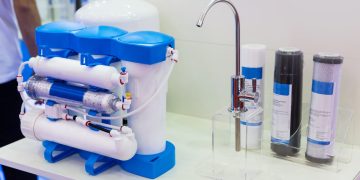
Reverse osmosis is a powerful water filtration method that uses a semi-permeable membrane to remove ions, molecules, and larger particles from water. It can remove nearly all types of contaminants, including salts, heavy metals, and bacteria.
- Process: Water is forced through a membrane that allows water molecules to pass but blocks contaminants.
- Applications: Widely used in home water purification systems, desalination plants, and in emergency water purification setups.
3.2 Chemical Water Treatment
Chemical water treatment involves adding chemicals to the water to neutralize or remove harmful substances, including pathogens, chemicals, and toxins. These methods are often used in municipal water treatment plants but can also be employed in portable water purification systems.
3.2.1 Chlorination
Chlorine is one of the most widely used disinfectants in water treatment. It is effective at killing bacteria, viruses, and some parasites.
- Process: Chlorine is added to water, where it reacts with microorganisms, killing them or inactivating them.
- Applications: Commonly used in municipal water treatment systems, public water supplies, and swimming pools.
- Limitations: Chlorine can leave a chemical taste and odor in the water and may not be effective against some protozoa or chemical pollutants.
3.2.2 Ozonation
Ozone is a powerful oxidizing agent used in water treatment. It is effective at killing bacteria, viruses, and breaking down chemical contaminants.
- Process: Ozone gas is introduced into water, where it reacts with contaminants to destroy them.
- Applications: Used in large-scale municipal water treatment plants and some bottled water production facilities.
- Advantages: Unlike chlorine, ozone does not leave a taste or odor in the water.
3.2.3 UV Disinfection
Ultraviolet (UV) light is an effective method for disinfecting water. UV light inactivates microorganisms by disrupting their DNA, making them incapable of reproduction.
- Process: Water is passed through a UV light chamber, where the radiation neutralizes bacteria, viruses, and protozoa.
- Applications: Used in household water purifiers, municipal systems, and emergency water disinfection.
- Advantages: UV disinfection does not involve chemicals and is effective against a wide range of pathogens.
3.3 Biological Treatment
Biological treatments involve using natural processes or organisms to purify water. These methods are commonly employed in large-scale wastewater treatment and in nature-based solutions like constructed wetlands.
3.3.1 Activated Sludge Systems
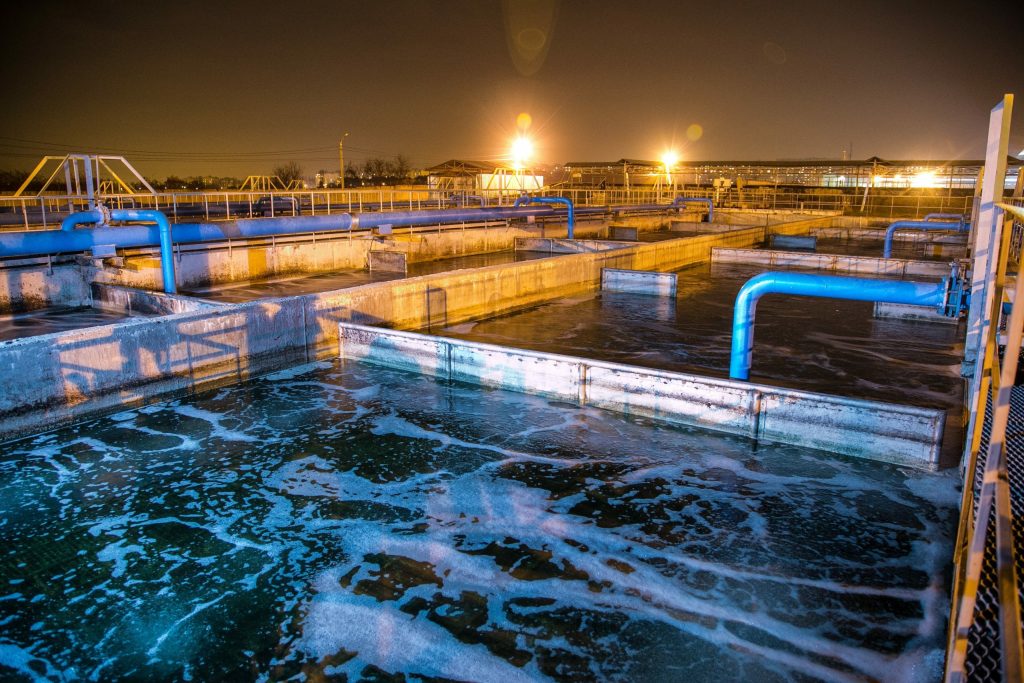
Activated sludge systems are used in large-scale wastewater treatment plants. Microorganisms break down organic pollutants in water, turning them into harmless by-products.
- Process: Air is bubbled through wastewater to promote the growth of microorganisms that break down organic matter.
- Applications: Used in municipal sewage treatment plants to treat wastewater before releasing it into the environment.
3.3.2 Constructed Wetlands
Constructed wetlands use plants and soil to filter and purify water. These systems mimic natural wetlands and are effective at removing nutrients, sediments, and organic pollutants.
- Process: Water is passed through a series of wetland plants, which absorb contaminants and help break them down.
- Applications: Used in rural and remote areas, as well as for wastewater treatment.
4. Emerging Water Purification Technologies
As the need for clean water grows globally, new technologies are constantly being developed to address water scarcity, contamination, and pollution. Some emerging innovations include:
4.1 Solar-Powered Water Purification
Solar-powered systems, including solar stills and photovoltaic-driven desalination systems, use solar energy to power the purification process.
- Process: Solar stills use the sun’s heat to evaporate water, which then condenses into clean water.
- Applications: Useful in remote areas with access to sunlight but lacking access to conventional power sources.
4.2 Graphene Filtration
Graphene, a material made of a single layer of carbon atoms, has shown promise in water filtration. Graphene-based filters are capable of filtering nanoparticles, salts, and organic compounds at a molecular level.
- Advantages: High efficiency, low cost, and the potential to filter both large and small contaminants.
4.3 Desalination with Electrodialysis
Electrodialysis uses electric fields to move ions across membranes, separating salt from water. It’s a promising alternative to traditional reverse osmosis for desalinating seawater.
- Process: Electrical currents are applied to ion-exchange membranes, which separate salt from water.
5. Conclusion
Water purification technology has advanced significantly over the years, with a wide range of methods available to meet the needs of individuals, communities, and industries. From simple filtration systems to advanced technologies like reverse osmosis and electrodialysis, the options for ensuring access to clean water are expanding. As global challenges such as water scarcity, contamination, and climate change continue to affect water resources, these technologies will be crucial in providing sustainable and safe drinking water for all.
Understanding the different purification methods, their applications, and their limitations allows us to make informed decisions about which technology is best suited for different situations, from everyday household needs to emergency survival scenarios. In the future, continued research and innovation will likely bring even more efficient, affordable, and accessible solutions to the world’s growing water challenges.