









Introduction
Severe weather events have the potential to cause significant harm to life, property, and the environment. From hurricanes and tornadoes to floods and blizzards, understanding and responding to weather warnings is critical to minimizing damage and ensuring personal safety. In the past few decades, advancements in meteorology, communication systems, and emergency management have led to the development of sophisticated weather alert systems designed to provide early warnings and help individuals prepare for extreme weather events.
Despite these advancements, many people remain unaware of how to interpret weather warnings, what actions to take during an alert, or how to prepare for specific weather-related emergencies. This article explores the importance of weather warning awareness, delving into various types of weather alerts, how they are issued, the technology behind these warnings, and the steps individuals should take to stay safe. By the end of this article, you will have a deeper understanding of how to stay informed and safe during severe weather situations.
1. The Importance of Weather Warning Awareness
Weather warnings are crucial because they provide valuable information that can help people make informed decisions before, during, and after a severe weather event. Without timely and accurate warnings, individuals may be caught off guard, leading to injuries, fatalities, and property damage. In fact, studies show that the likelihood of surviving a severe weather event greatly increases when people take preventive actions based on weather warnings.
The goal of weather warnings is to:
- Provide early detection of potential weather hazards, allowing time for preparation.
- Offer specific information on the type, intensity, and duration of the threat.
- Guide appropriate action, such as evacuation, sheltering, or avoiding certain areas.
- Prevent loss of life, injury, and property damage.
Understanding the various weather alerts, their meanings, and the actions required in response is essential for everyone—whether living in areas prone to severe storms, wildfires, flooding, or other natural disasters.
2. Types of Weather Warnings
Weather warnings are issued by national and local meteorological agencies, such as the National Weather Service (NWS) in the United States or the UK Met Office in the United Kingdom. These warnings are categorized by the severity of the weather event and the level of threat posed to the public. Below are some of the most common types of weather alerts:
2.1 Severe Thunderstorm Warning
A severe thunderstorm warning is issued when a thunderstorm is producing one or more of the following conditions:
- Hail larger than 1 inch in diameter.
- Damaging winds of 58 mph or more.
- Tornadoes (which may be associated with the storm).
What to do during a severe thunderstorm warning:
- Seek shelter immediately indoors, away from windows and doors.
- If outdoors, take cover in a sturdy building or vehicle. Avoid seeking shelter under trees.
- Stay informed by tuning into weather radio or using weather apps for updates.
2.2 Tornado Warning
A tornado warning is issued when a tornado has been sighted in the area or detected by radar.
What to do during a tornado warning:
- Seek shelter in the lowest level of a building (preferably a basement or storm cellar).
- Cover yourself with heavy furniture or blankets to protect against flying debris.
- If you are in a mobile home or vehicle, leave immediately and seek shelter in a nearby building.
2.3 Flood Warning
A flood warning is issued when there is a significant risk of flooding in an area due to heavy rainfall, snowmelt, or other factors. It can be further divided into different types, such as flash flood warnings and river flood warnings.
What to do during a flood warning:
- Move to higher ground or evacuate the area if instructed by authorities.
- Do not attempt to drive through flooded roads, as water can hide dangerous hazards such as washed-out roads or strong currents.
- Stay informed through weather alerts and follow evacuation orders if issued.
2.4 Hurricane Warning
A hurricane warning is issued when a hurricane is expected to make landfall within 24 hours, bringing with it dangerous winds, heavy rainfall, and storm surges.
What to do during a hurricane warning:
- Evacuate if you live in a low-lying area or if evacuation orders are issued by local authorities.
- Secure your home by boarding up windows and securing outdoor objects.
- Avoid flood-prone areas and stay away from coastal areas where storm surges are expected.
2.5 Winter Storm Warning
A winter storm warning is issued when heavy snow, sleet, or freezing rain is expected, making travel hazardous.
What to do during a winter storm warning:
- Avoid unnecessary travel, especially if driving conditions are poor.
- Keep emergency supplies on hand, including warm clothing, blankets, and food.
- Stay inside during the storm and keep warm to prevent frostbite or hypothermia.
2.6 Extreme Heat Advisory
An extreme heat advisory is issued when temperatures are expected to reach dangerous levels for extended periods.
What to do during an extreme heat advisory:
- Stay hydrated and avoid strenuous outdoor activity, especially during the hottest parts of the day.
- Stay in air-conditioned spaces whenever possible.
- If you must be outside, wear loose, light clothing, and use sunscreen to protect against sunburn.
2.7 Air Quality Alerts
An air quality alert is issued when pollution levels in the air are high enough to pose a health risk, especially for vulnerable populations like the elderly, children, and those with respiratory issues.
What to do during an air quality alert:
- Limit outdoor activity and avoid strenuous exercise in polluted areas.
- Keep windows closed and use air purifiers indoors.
- Follow health advice if you have pre-existing health conditions like asthma or COPD.
3. How Weather Warnings Are Issued
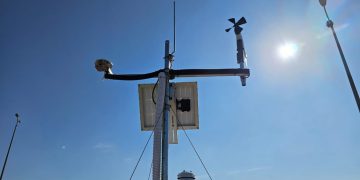
Meteorological agencies, such as the National Weather Service or other national weather agencies, issue weather warnings using a combination of technologies and data sources. These include weather satellites, radar systems, weather balloons, and ground-based observation stations.
3.1 The Role of Technology in Weather Alerts
Advancements in weather monitoring and communication systems have made it possible to detect and predict severe weather with a high degree of accuracy. Here are some of the key technologies used:
Radar Systems
Radar systems emit radio waves that bounce off precipitation particles and return to the radar dish. By analyzing these signals, meteorologists can determine the location, intensity, and movement of storms, which is crucial for issuing severe weather warnings such as tornado warnings or severe thunderstorm warnings.
Satellite Observations
Satellites in space provide real-time images and data of weather patterns from a global perspective. This data is vital for monitoring hurricanes, storm systems, and long-range weather forecasting.
Weather Balloons
Weather balloons, or radiosondes, are equipped with sensors that measure temperature, humidity, wind speed, and atmospheric pressure. These balloons are launched regularly to provide valuable data for weather prediction models.
Computer Modeling
Meteorologists use sophisticated computer models to simulate weather conditions and predict future weather events. These models combine data from satellites, radars, and other sources to make accurate forecasts.
4. Understanding Weather Alert Levels
Weather warnings are issued in different alert levels based on the severity and urgency of the situation. Understanding these levels helps individuals know how serious the threat is and how to respond.
4.1 Advisory
An advisory is issued when the weather event is less severe but still requires attention. Examples include frost advisories or wind advisories. The risk to health or property is lower, but precautions should still be taken.
4.2 Watch
A watch is issued when conditions are favorable for a hazardous weather event to occur, but it has not yet developed. A tornado watch or hurricane watch means conditions are right, but the event may not occur.
4.3 Warning
A warning is the highest level of alert. It indicates that a hazardous weather event is imminent or is occurring, and action must be taken immediately to protect life and property. This includes tornado warnings, flash flood warnings, and hurricane warnings.
5. How to Stay Informed and Prepared
In today’s connected world, staying informed about weather warnings has never been easier. Here are some key ways to keep up with the latest alerts and prepare for weather emergencies:
5.1 Use Weather Apps and Alerts
Most smartphones come equipped with built-in weather apps that can send real-time alerts for severe weather warnings. Many national meteorological services also provide mobile apps that deliver push notifications for the latest weather updates.
5.2 NOAA Weather Radio
The National Oceanic and Atmospheric Administration (NOAA) provides a weather radio service that broadcasts continuous weather information, including warnings and advisories. These radios often have battery backup and can be set to automatically alert you to weather threats.
5.3 Social Media and Local News
Social media platforms like Twitter and Facebook are increasingly used by meteorological agencies to issue weather alerts. Local news stations also provide continuous coverage during severe weather events, with updates on evacuations, road closures, and emergency services.
5.4 Prepare an Emergency Kit
Being prepared for severe weather is key to surviving emergencies. An emergency kit should include essentials like:
- Non-perishable food and water for at least 72 hours.
- Flashlights, batteries, and portable chargers.
- First aid supplies, prescription medications, and important documents.
6. Conclusion
Weather warnings are an essential part of keeping people safe during severe weather events. By understanding the different types of alerts, the technology behind them, and the appropriate actions to take, individuals can minimize the risks posed by natural disasters. Being informed, prepared, and responsive during weather emergencies can save lives, reduce injuries, and protect property. It is crucial that everyone take the time to stay up-to-date on weather warnings and act quickly when necessary.
By fostering weather warning awareness, individuals and communities can become more resilient to the challenges posed by extreme weather, making it possible to navigate these events with confidence and safety.