









Introduction
Whether you’re engaged in an adventurous night hike, an emergency evacuation, or a wilderness survival scenario, navigating through the night introduces unique challenges that require careful preparation, skill, and knowledge. The dark of night can be disorienting, dangerous, and disempowering for even the most experienced adventurer, making nighttime movement and evacuation strategies critical aspects of wilderness safety.
This article delves into nighttime movement and evacuation strategies, offering a detailed guide on how to move safely at night, how to prepare for emergency evacuations, and how to mitigate the risks associated with nighttime navigation. The following sections will explore essential principles, techniques, and strategies for navigating and evacuating wilderness areas after dark, ensuring that both casual hikers and survivalists are well-prepared for night travel.
1. Understanding the Challenges of Nighttime Movement
1.1 The Psychology of Night Travel
At night, the human body and mind respond differently to the environment. The reduced visibility and the absence of sunlight can trigger a series of challenges, including heightened stress and anxiety.
- Disorientation: It is much easier to get lost at night, especially in dense forests or unfamiliar terrain. The lack of clear markers, such as sun positioning or familiar landmarks, increases the potential for confusion.
- Heightened Fear: The night brings with it the natural human fear of the unknown. The sounds of wildlife, the unfamiliar shadows, and the darkness can cause unease, affecting cognitive function and decision-making.
- Fatigue: Movement at night often happens when you are already tired from the day’s activities, which can lead to slower reaction times and less efficient decision-making.
Understanding these psychological challenges allows you to manage stress better and stay focused during night travel.
1.2 Environmental Factors to Consider
The environment at night presents a range of potential hazards that can impact movement:
- Temperature Drop: Nights in the wilderness, especially at high altitudes or in colder climates, can see temperatures drop drastically. This can lead to hypothermia if you’re not prepared.
- Wildlife: Nocturnal creatures become more active at night. Some of these animals may pose a danger, while others may simply be curious. It’s crucial to understand the wildlife in your area and how to avoid unwanted encounters.
- Reduced Visibility: Visibility at night is limited to the light sources you carry (headlamps, flashlights, etc.), and even these often fail to provide a clear picture of the terrain.
- Obstacles: Hidden rocks, roots, and uneven ground become more difficult to spot in the dark, which can lead to tripping hazards or injuries.
- Weather: Nighttime is also when weather conditions like fog, rain, and wind are likely to be most challenging.
These factors combine to make night travel a potentially hazardous activity, which requires specific strategies to navigate safely.
2. Preparation and Gear for Nighttime Travel
2.1 Essential Equipment for Safe Night Travel
To move safely and effectively in the wilderness at night, the right gear is essential. Below is a list of the most critical equipment you’ll need:
Headlamps and Flashlights
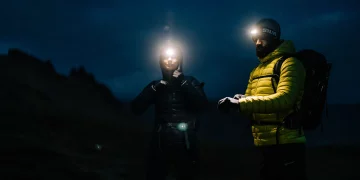
- Headlamp: Hands-free illumination is essential for navigating at night. Choose a bright, long-lasting LED headlamp with multiple settings (high, medium, low).
- Spare Batteries: Always carry extra batteries for your headlamp and flashlight. In remote areas, power sources can be hard to come by.
- Red Filter: A red light minimizes disruption to your night vision, allowing you to see both the ground and surroundings without blinding yourself or others.
Compass and Maps
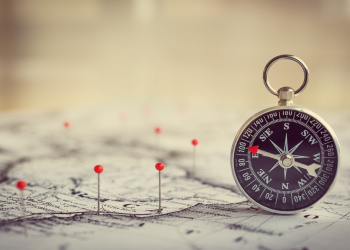
- Compass: While GPS devices are useful, a traditional compass and map are critical backup tools when visibility is low or when batteries fail.
- Pre-planned Routes: Before setting out, ensure you have a clear map and know the key waypoints and distances.
Clothing for Cold Weather
- Insulation Layer: Temperatures can drop quickly at night, especially in elevated areas. Insulated jackets, gloves, and hats are essential for preventing hypothermia.
- Rain Gear: Be prepared for sudden temperature changes or rain. A waterproof jacket and pants help maintain body heat while keeping you dry.
- Layering System: Layering allows you to adjust to the changing temperature and exertion levels, keeping you comfortable through the night.
Survival Kit
- First Aid Kit: In case of injuries, carry a basic first aid kit, including bandages, antiseptics, and pain relievers.
- Whistle: A loud whistle can alert rescuers or your companions in an emergency.
- Emergency Shelter: Consider carrying a lightweight bivy sack or emergency space blanket for warmth in case of an unexpected stop.
Food and Hydration
- Energy-dense Snacks: Trail mix, energy bars, or jerky provide the necessary fuel for sustained energy.
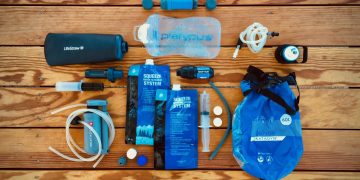
- Water: Carry enough water to last through the night, or bring a water filter in case you need to replenish from natural sources.
2.2 Techniques for Efficient Night Travel
Once you’re equipped, it’s important to learn the techniques that will ensure your night travel is effective, safe, and as efficient as possible.
Slow and Steady Movement
- Pace: In the dark, movement should be slower and more deliberate. You can’t rely on the same cues you would use during the day, so it’s essential to stay in control and be deliberate with every step.
- Scanning: Constantly scan the terrain around you with your light source to spot hazards, such as rocks, roots, or drop-offs.
Use of Light Efficiently
- Light Direction: Keep your headlamp directed at the ground to help you see the immediate trail, but also look ahead periodically to spot hazards before you reach them.
- Avoiding Blind Spots: When using a flashlight, avoid shining the beam directly ahead for long periods. It can cause temporary blindness and disorient you.
- Night Vision: Let your eyes adjust to the low light as much as possible. Night vision can be enhanced if you use red lights or reduce the intensity of your flashlight to prevent your eyes from becoming fully adapted to artificial light.
Movement Patterns
- Follow a Fixed Path: Where possible, stick to established trails or areas where the ground is relatively even. If you’re navigating a wilderness area without a trail, leave markers, such as stacked rocks or small flags to avoid getting lost.
- Team Coordination: If you’re traveling with others, keep a close, coordinated formation. Traveling in a tight group ensures no one is left behind or separated, which can be dangerous at night.
3. Evacuation Strategies for Nighttime Emergencies
In case of an emergency or the need to evacuate at night, having a clear evacuation strategy can be a lifesaver.
3.1 Establishing Emergency Plans Before Night Travel
- Know Your Escape Routes: Before you begin your journey, make sure that you know alternate routes and safe havens in case you need to retreat.
- Evacuation Triggers: Define specific conditions that would trigger an evacuation (e.g., bad weather, an injury, or a wildlife threat).
- Communication Plan: If you’re with a group, set up a clear communication plan to ensure that everyone knows how to respond in an emergency. Use whistles, radio signals, or emergency apps (if applicable).
3.2 Techniques for Nighttime Evacuation
When a nighttime evacuation becomes necessary, it’s important to stay calm and execute the evacuation efficiently:
Prioritize Safety
- Don’t Rush: Even in an emergency, moving quickly without thinking can lead to injury. Stay calm, and encourage others to do the same. Panic often leads to poor decision-making.
- Use the Buddy System: In stressful situations, the buddy system helps ensure that everyone stays accounted for, and no one is left behind.
Use Waypoints and Landmarks
- Establish Landmarks: In case of an evacuation, pre-set waypoints can guide you along the safest path. Mark key points along the route, such as tall trees, distinct rocks, or clearings.
- Avoid Wild Terrain: If you’re moving through unfamiliar or dangerous areas, avoid hazardous terrain like cliffs, swamps, or thick forests. Stick to safer paths, such as roads or established trails.
Backup Plans
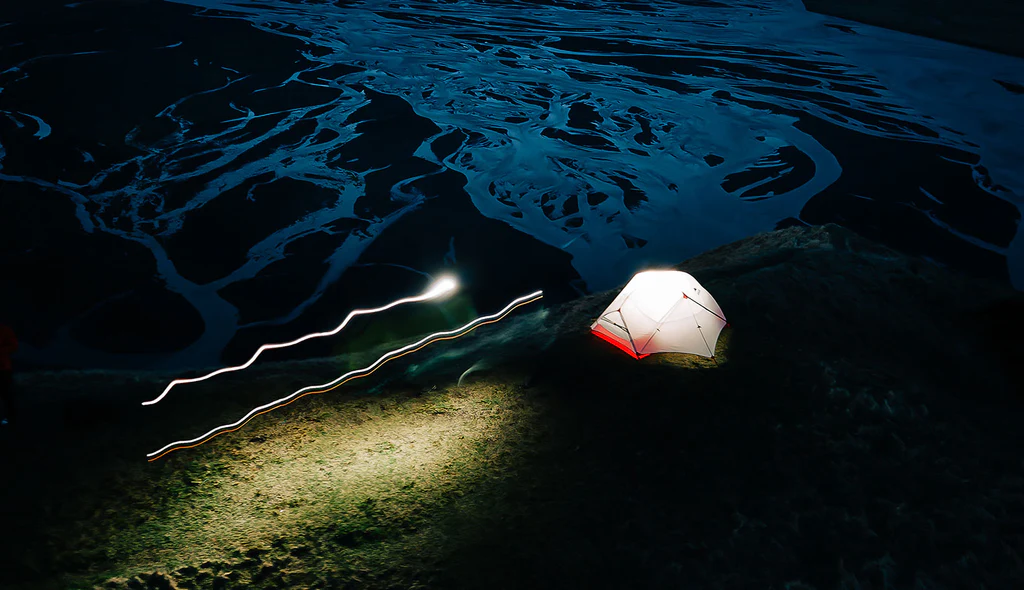
- Shelter in Place: In some cases, it may be safer to remain where you are (in a shelter, tent, or emergency bivy sack) and wait for daylight or rescue. If you’re unsure about your surroundings, staying put can help reduce the risks of getting lost or injured.
- Signal for Help: In an evacuation scenario, make sure you have a signal plan (e.g., using a flare, whistle, or smoke signal).
4. Psychological Strategies for Night Travel and Evacuation
Nighttime movement and evacuation often require managing psychological stress and staying focused on the task at hand.
- Stay Focused: Concentrate on one step at a time and avoid thinking too far ahead. This helps prevent panic and ensures you’re aware of potential hazards in your immediate surroundings.
- Use Positive Reinforcement: Remind yourself and others in your group of your skills, preparation, and ability to handle the situation. Positive self-talk can help manage anxiety.
- Communication: If traveling in a group, check in with others frequently to ensure everyone feels secure and has the information they need.
Conclusion
Nighttime travel in the wilderness is an inherently risky endeavor, but with the right preparation, equipment, and mindset, it can also be a rewarding and safe experience. Whether you’re navigating a trail after dark or dealing with an emergency evacuation, understanding the challenges of night travel, preparing the right gear, and implementing clear strategies for safety are all critical components of a successful and secure journey.
By practicing good judgment, planning ahead, and remaining calm, you can face the challenges of nighttime movement with confidence and skill.