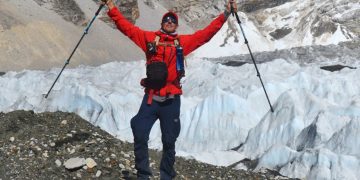










In the world of hiking, backpacking, and outdoor adventures, the weight of your gear can significantly influence the overall experience. Whether you’re setting off on a multi-day trek through rugged mountains or a quick weekend getaway into the woods, the gear you carry directly impacts your physical endurance, comfort, and enjoyment. This is where the concept of a lightweight backpack system comes into play, revolutionizing how we approach outdoor exploration.
A lightweight backpack system doesn’t just refer to a lighter backpack but incorporates a holistic approach to gear design, focusing on minimalism, functionality, and efficiency. It’s about selecting the right components, using materials that reduce weight without compromising durability, and adopting packing strategies that optimize both load and performance.
In this article, we’ll delve into the principles of a lightweight backpack system, explore the key components involved, and provide insights into how modern hikers and backpackers are shifting toward lighter, more efficient gear for their expeditions.
1. Understanding the Importance of Lightweight Backpacking
Before diving into the specifics of lightweight backpacking systems, it’s crucial to understand why this approach has gained popularity in recent years. In the past, traditional hiking and backpacking gear were bulky, heavy, and often designed with durability as the primary focus. While durability remains important, modern adventurers have realized that carrying a lighter load offers several key benefits.
1.1 The Physical Benefits of Lightweight Gear
Carrying a heavy backpack can lead to various physical strain and discomfort. The key physical benefits of a lightweight backpack system include:
- Reduced Strain on the Body: With a lighter pack, you’ll experience less pressure on your joints, particularly the back, shoulders, and knees. This reduction in strain can improve your posture and reduce the risk of injury.
- Increased Stamina and Endurance: By lightening the load, hikers and backpackers are able to maintain their energy levels over longer distances. This results in greater endurance, allowing adventurers to cover more miles without fatigue.
- Improved Mobility: A lighter backpack allows for greater freedom of movement, making it easier to navigate steep inclines, narrow trails, and difficult terrain.
1.2 Mental and Emotional Advantages
The mental and emotional benefits of a lightweight backpacking system can’t be understated:
- Increased Comfort: The lighter your load, the more comfortable you feel on your hike. This leads to a more enjoyable experience, allowing you to focus on the beauty of your surroundings rather than the discomfort of carrying a heavy pack.
- Greater Sense of Freedom: With less weight, there’s a sense of freedom and simplicity. Lighter gear allows you to move with more agility, and many adventurers report a more profound sense of connection with nature.
- Confidence in Tough Conditions: Whether in rugged mountainous regions or through dense forests, lightweight gear can give hikers the confidence to push through challenging conditions, knowing they have the right tools without being weighed down.
2. The Philosophy of Lightweight Backpacking Systems
At its core, the philosophy of lightweight backpacking is based on minimalism and efficiency. The aim is to strip down the gear to only the essentials, ensuring that everything you carry serves a specific purpose. However, this doesn’t mean compromising safety or comfort — rather, it’s about intelligently selecting equipment that offers the best balance of weight, functionality, and performance.
2.1 The “Base Weight” Concept
When discussing lightweight backpack systems, it’s helpful to understand the concept of base weight. Base weight refers to the total weight of a hiker’s gear (excluding consumables like food, water, and fuel) and is a key indicator of how much weight you’re carrying. For ultralight backpacking, the base weight is typically under 10 pounds (4.5 kg), though there are lighter categories such as super-ultralight, where the base weight can fall under 5 pounds (2.2 kg).
- Base weight and comfort: The goal of minimizing base weight is to maximize comfort and efficiency without sacrificing essential functionality. Finding the right balance is key to maintaining both safety and enjoyment on the trail.
- Lightweight vs. Ultralight: While lightweight backpacking refers to minimizing weight without going to extremes, ultralight backpacking pushes the boundaries by using the lightest gear available. Ultralight backpacking requires advanced skills and knowledge, as even small weight reductions can significantly impact performance.
2.2 The “Six Core Components” of a Lightweight System
A true lightweight backpacking system isn’t just about a single piece of gear; it’s about an integrated, holistic approach to the equipment. The six core components of any lightweight system include:
- Shelter
- Sleeping System
- Backpack
- Clothing
- Cooking System
- Water Filtration System
Each of these components must be chosen and optimized for weight savings while still ensuring they fulfill their intended functions.
3. Key Components of a Lightweight Backpack System
Each element of a lightweight backpacking system plays a crucial role in ensuring comfort, safety, and performance. Let’s break down each of these components and explore how modern innovations in materials and design have made them lighter and more efficient.
3.1 The Lightweight Backpack
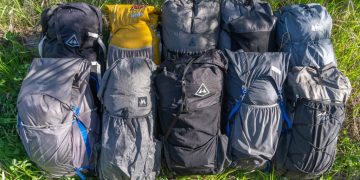
The backpack is the central piece of any backpacking system, and the selection of a lightweight pack is essential. Traditional backpacks could weigh several pounds due to heavy frames, thick padding, and multiple compartments. Modern lightweight backpacks, however, are designed to minimize weight while maintaining enough durability and support.
- Materials: The use of lighter materials such as ripstop nylon, Dyneema, and ultralight polyester has significantly reduced the weight of modern backpacks. These materials offer impressive strength-to-weight ratios, ensuring durability without adding bulk.
- Minimalist Design: Many lightweight backpacks now feature minimalist designs, with fewer compartments, lighter frames, and simple, streamlined features. For example, some ultralight backpacks use frameless designs, relying on the weight of the gear itself to provide structure and support.
- Capacity: Lightweight backpacks generally have smaller capacities (usually between 40–60 liters), which encourage efficient packing and discourage unnecessary gear. This helps hikers maintain the minimalistic philosophy of carrying only the essentials.
3.2 The Sleeping System
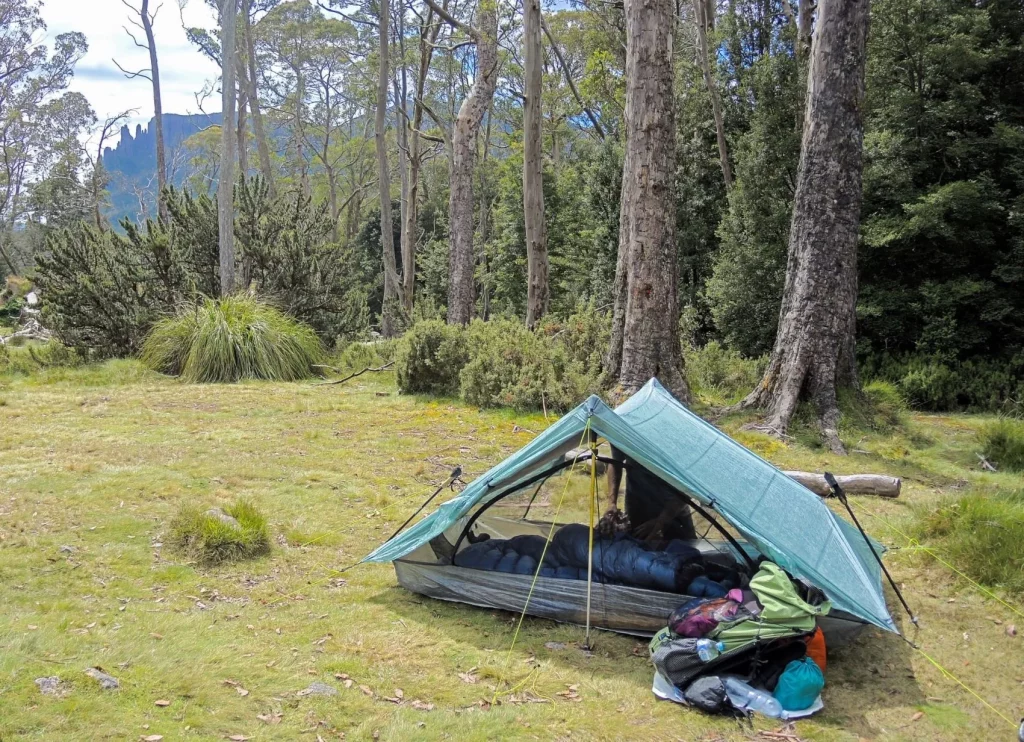
A key area where weight savings are crucial is in the sleeping system. A typical lightweight sleeping system consists of a sleeping bag, a sleeping pad, and a tent or shelter. Innovations in these areas have led to significantly lighter and more compact solutions.
- Sleeping Bags: Modern sleeping bags made with high-performance materials such as down insulation or synthetic fill provide warmth without the bulk. Ultralight sleeping bags can weigh as little as 1 pound (450g), providing warmth for temperatures down to freezing.
- Sleeping Pads: Lightweight sleeping pads use closed-cell foam or inflatable designs to reduce bulk and weight while providing adequate insulation and comfort. Many ultralight versions weigh less than 1 pound (450g), allowing for better portability without sacrificing comfort.
- Tents/Shelters: Traditional tents are often heavy due to the frame structure and double-wall design. Lightweight shelters include single-wall tents, tarps, and bivy sacks, all designed to reduce weight while still offering protection from the elements. Tents for ultralight backpacking can weigh as little as 1–2 pounds (450–900g), with some advanced tarps weighing even less.
3.3 Clothing
Lightweight clothing is another critical component of a backpacking system. It is essential to focus on layering systems, where each layer is designed to serve a specific function in terms of warmth, moisture management, and protection from the elements.
- Base Layers: Lightweight base layers made from materials like merino wool, synthetic fibers, or bamboo are breathable, moisture-wicking, and comfortable for long treks.
- Mid Layers: A lightweight fleece or down jacket provides warmth without unnecessary bulk.
- Outer Layers: Ultralight rain jackets or windbreakers made from materials like Pertex or Gore-Tex offer protection from the elements while minimizing pack weight.
3.4 Cooking System
For lightweight backpackers, the cooking system must be simple and efficient. The ideal cooking setup focuses on reducing weight while still allowing the preparation of nutritious meals.
- Stoves: Modern backpacking stoves, such as canister stoves or alcohol stoves, are compact and lightweight. Some stoves weigh less than 3 ounces (85g), making them ideal for minimalist cooking setups.
- Cookware: The cookware used in a lightweight system should also be compact and durable. Titanium or aluminum pots and pans are commonly used because they are lightweight yet durable. Some backpackers even use a Jetboil system, which combines a stove and pot into one efficient unit.
3.5 Water Filtration System
Water is essential on any backpacking trip, and the method used to filter or purify water can add significant weight. Lightweight filtration systems, however, ensure that clean water is easily accessible without adding extra weight.
- Filters and Purifiers: Modern filters such as the Sawyer Squeeze or Katadyn BeFree are both lightweight and effective, providing up to 1,000 liters of filtered water. These systems weigh only a few ounces, making them ideal for ultralight backpacking.
- Water Treatment Tablets: For the most minimalist setup, some hikers opt for water purification tablets like Aquatabs or Potable Aqua, which weigh almost nothing but still provide reliable water treatment.
4. Techniques for Packing a Lightweight System
Packing a lightweight backpacking system is an art form in itself. Efficiency in packing ensures that your gear is evenly distributed, easy to access, and balanced for comfortable trekking. Some packing techniques include:
- Compression Stuff Sacks: Using compression sacks for sleeping bags, clothes, and other bulky gear helps reduce the overall volume and saves space.
- Strategic Weight Distribution: The heaviest items, such as the tent and food, should be packed closer to your back and higher up in the pack to prevent discomfort. Lighter items should be placed at the bottom or on the outside.
- Use of Multi-Functional Gear: Opting for items that serve multiple purposes, such as a backpacking stove that doubles as a fuel canister holder or a poncho that can also serve as a tarp, reduces the total amount of gear.
5. Conclusion: The Future of Backpacking
The trend toward lightweight backpacking systems is here to stay. With continuous advancements in materials, technology, and design, future gear will likely become even lighter, more efficient, and better suited for the demands of modern adventurers. Whether you’re planning a short weekend hike or a long-distance trek, embracing lightweight principles can dramatically improve your experience, reducing strain on your body and allowing you to enjoy the journey more fully.
By combining minimalism with smart gear choices, backpackers can now explore nature without the burden of heavy, cumbersome gear. The lightweight revolution is reshaping the way we approach the outdoors, making adventures more accessible, enjoyable, and sustainable.