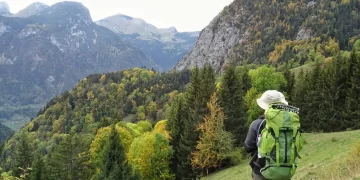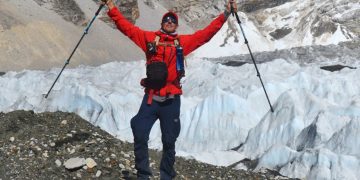







The phrase “Leave No Trace” (LNT) has become synonymous with responsible outdoor recreation and environmental stewardship. As human activity expands into wilderness areas worldwide, the principles of LNT provide a framework for reducing environmental impact, preserving natural ecosystems, and ensuring that future generations can experience the same pristine landscapes. More than a set of guidelines, Leave No Trace represents a philosophy that integrates ecological awareness, ethical decision-making, and practical skills for outdoor enthusiasts.
This article provides a comprehensive, professional examination of Leave No Trace principles, their historical development, practical applications in various wilderness contexts, and their broader significance for sustainability and conservation. The discussion spans camping, hiking, mountaineering, and adventure sports, emphasizing both the environmental and social dimensions of responsible recreation.
1. Introduction: The Need for Leave No Trace
Wilderness areas are increasingly affected by human activity. Popular hiking trails, campsites, and recreation areas often face issues such as soil erosion, vegetation damage, wildlife disturbance, and litter accumulation. The LNT framework was developed to address these challenges by promoting sustainable outdoor practices that minimize ecological impact.
Key motivations for Leave No Trace include:
- Ecological preservation: Protecting flora, fauna, soil, and water systems.
- Aesthetic considerations: Ensuring natural landscapes remain visually and experientially intact.
- Cultural respect: Preserving historical and sacred sites from degradation.
- Safety and accessibility: Minimizing hazards caused by human-created waste or unregulated camping.
2. History and Evolution of Leave No Trace
The origins of LNT trace back to the mid-20th century, when outdoor educators and conservationists began addressing the cumulative effects of recreational activities on fragile ecosystems.
- 1960s–1970s: The U.S. Forest Service and National Park Service observed increasing damage in heavily trafficked wilderness areas.
- 1980s: The formal Leave No Trace program was established, synthesizing best practices from educators, scientists, and park managers.
- 1990s–present: LNT has expanded internationally, with organizations promoting ethical outdoor recreation worldwide.
The core philosophy emphasizes awareness, planning, and responsible action, recognizing that even small human impacts can accumulate over time to degrade wilderness integrity.
3. The Seven Principles of Leave No Trace
The Leave No Trace framework is structured around seven interrelated principles. These principles provide a practical guide for minimizing environmental impact while engaging with natural spaces.
3.1 Plan Ahead and Prepare
- Trip planning: Understand weather conditions, trail difficulty, and regulations before departure.
- Permits and regulations: Obtain necessary permits and follow local guidelines to prevent overcrowding and ecological damage.
- Equipment selection: Choose gear that reduces environmental footprint, such as lightweight stoves, reusable containers, and biodegradable products.
Planning also ensures safety, as preparedness reduces the likelihood of emergency situations that might further disturb the environment.
3.2 Travel and Camp on Durable Surfaces
- Durable surfaces: Use established trails, rock, gravel, or hardened soil to avoid trampling vegetation.
- Campsite selection: Prefer existing campsites and avoid fragile ecosystems like meadows or wetlands.
- Group size: Smaller groups reduce environmental impact and limit noise and soil compaction.
Durable surfaces minimize erosion and allow natural regeneration of disturbed areas.
3.3 Dispose of Waste Properly
- Pack it in, pack it out: All trash, including biodegradable items like food scraps, should be carried out.
- Human waste management: Use established toilets when available; otherwise, follow guidelines for catholes (6–8 inches deep) away from water sources.
- Graywater disposal: Soap and wash water should be dispersed at least 200 feet from streams and lakes.
Proper waste management prevents water contamination, reduces wildlife interactions, and maintains scenic quality.
3.4 Leave What You Find
- Cultural artifacts: Do not remove or disturb archaeological or historical sites.
- Natural features: Avoid collecting rocks, plants, or fossils.
- Minimize landscape alterations: Refrain from building cairns, digging trenches, or modifying the environment for convenience.
This principle emphasizes stewardship of both natural and cultural heritage.
3.5 Minimize Campfire Impact
- Use stoves: Portable stoves are preferable for cooking, reducing wood consumption and fire scars.
- Fire safety: If fires are allowed, use existing fire rings and limit firewood collection.
- Leave no trace of fire: Ensure all ashes are cold and dispersed, restoring the area to its natural appearance.
Reducing fire impact protects fragile ecosystems and prevents wildfires.
3.6 Respect Wildlife
- Observation from a distance: Avoid approaching or feeding wildlife.
- Food storage: Properly secure food to prevent attracting animals.
- Behavioral considerations: Maintain calm, quiet movements to reduce stress on animals.
Respecting wildlife preserves natural behavior and prevents dangerous human-wildlife interactions.
3.7 Be Considerate of Other Visitors
- Noise management: Keep voices low and avoid disruptive sounds.
- Yielding trails: Allow faster parties or equestrians to pass safely.
- Shared spaces etiquette: Minimize impact in communal areas such as campsites or trailheads.
Fostering respect among visitors enhances collective enjoyment and reduces conflicts in natural areas.

4. Practical Applications in Different Outdoor Activities
Leave No Trace principles are applicable across a range of outdoor pursuits:
4.1 Hiking and Backpacking
- Stick to marked trails to prevent soil erosion.
- Limit shortcuts or trail widening that can damage plant life.
- Camp away from water sources and use biodegradable soap sparingly.
4.2 Camping and Overnight Expeditions
- Choose pre-existing campsites or durable surfaces.
- Avoid digging fire pits or altering the landscape.
- Practice proper waste disposal and food storage techniques.
4.3 Mountain Climbing and Technical Sports
- Avoid leaving ropes, chalk marks, or anchors unnecessarily.
- Minimize rock and vegetation disturbance in base camps.
- Use reusable or minimal-impact gear whenever possible.
4.4 Water-Based Activities
- Prevent contamination of lakes and rivers with human waste or chemicals.
- Avoid disturbing aquatic habitats, including spawning grounds.
- Use non-motorized craft or electric motors to minimize ecological and noise impact.
5. Environmental and Ecological Rationale
Adhering to LNT principles is critical for maintaining ecosystem integrity:
- Soil and vegetation: Trampling and campsite expansion can compact soil, inhibit growth, and increase erosion.
- Water quality: Human waste, detergents, and litter degrade freshwater systems.
- Wildlife health: Feeding or habituating animals disrupts natural behavior and increases mortality risk.
- Biodiversity preservation: Minimizing human impact supports the survival of sensitive species and habitats.
Scientific studies show that heavily trafficked areas without LNT practices experience measurable declines in biodiversity, increased erosion rates, and long-term degradation of wilderness aesthetics.
6. Education, Outreach, and Community Engagement
Promoting Leave No Trace requires active education and community involvement:
- Outdoor education programs: Teaching youth and novice outdoor enthusiasts the principles of LNT instills lifelong responsible habits.
- Guided trips and workshops: Professional guides demonstrate practical applications of LNT in real-world scenarios.
- Public campaigns: Awareness campaigns, signage, and social media initiatives help disseminate LNT principles to a broad audience.
- Volunteer stewardship: Trail maintenance, habitat restoration, and waste removal efforts encourage hands-on engagement with conservation.
These educational initiatives enhance the effectiveness of LNT practices and foster a culture of environmental responsibility.
7. Challenges and Critiques
Despite widespread adoption, Leave No Trace faces several challenges:
- Overcrowding: Popular wilderness areas may experience degradation despite LNT education due to sheer visitor numbers.
- Cultural differences: Not all recreational users share the same understanding of environmental ethics.
- Enforcement: LNT relies heavily on voluntary compliance; regulatory frameworks are limited in some regions.
- Commercialization: Guided tours or mass recreational activities sometimes conflict with LNT principles.
Addressing these challenges requires adaptive management, policy integration, and ongoing outreach.
8. Technological and Innovative Solutions
Modern technology offers tools to support Leave No Trace practices:
- GPS and mapping apps: Help visitors plan routes on durable surfaces and avoid sensitive areas.
- Portable sanitation systems: Reduce waste impact in backcountry camping.
- Digital education platforms: Online courses, videos, and virtual guides expand access to LNT knowledge.
- Sustainable gear development: Lightweight, reusable, and low-impact equipment aligns with LNT objectives.
Technology can complement traditional education and enforcement, making minimal-impact recreation more achievable.
9. The Broader Significance of Leave No Trace
LNT principles extend beyond individual recreation to broader environmental and societal contexts:
- Global conservation: Promotes a culture of stewardship applicable to parks, protected areas, and natural reserves worldwide.
- Climate change adaptation: Minimizing human impact reduces environmental stress and supports ecosystem resilience.
- Ethical outdoor recreation: Encourages ethical engagement with nature, fostering empathy, respect, and intergenerational equity.
- Scientific research: Low-impact visitation preserves natural conditions for ecological studies and monitoring programs.
By integrating LNT principles, outdoor enthusiasts contribute to long-term sustainability and environmental justice.
10. Conclusion: Embodying Leave No Trace
Leave No Trace represents more than a set of guidelines—it embodies a philosophy of mindful interaction with the natural world. Applying LNT principles requires preparation, technical skill, ethical reasoning, and ongoing reflection on one’s impact. As wilderness areas face increasing pressure from human activity, the adoption of LNT practices ensures that ecosystems, wildlife, and landscapes remain healthy, resilient, and accessible for future generations.
Responsible recreation, informed by Leave No Trace, strengthens the connection between humans and nature while minimizing negative effects. Every hiker, camper, climber, and adventurer has a role to play in safeguarding the environment. By leaving no trace, we preserve not only the physical landscapes we explore but also the intrinsic value of wilderness as a sanctuary for life, learning, and inspiration.
The principles of Leave No Trace serve as a blueprint for sustainable engagement with the outdoors, emphasizing planning, awareness, respect, and responsibility. By embracing these ideals, individuals and communities can enjoy the wonders of the natural world while ensuring its protection for generations to come.