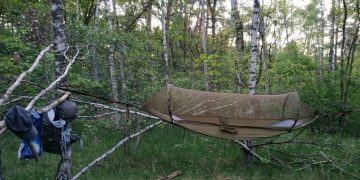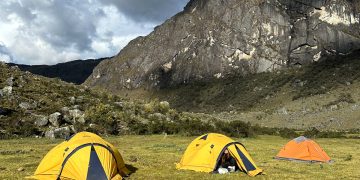










Camping in remote wilderness areas is an exhilarating way to reconnect with nature, challenge personal limits, and experience solitude away from urban distractions. Unlike conventional camping in established sites, wilderness camping requires meticulous preparation, advanced skills, and a deep respect for the natural environment. This article provides an extensive guide for anyone seeking to venture into uninhabited regions safely and responsibly.
1. Understanding Wilderness Camping
Definition and Scope
Wilderness camping, also known as backcountry camping or remote camping, involves setting up a temporary shelter in areas that are largely untouched by human development. These areas often include deserts, high-altitude mountains, deep forests, tundra, and other isolated ecosystems. Unlike car-accessible campgrounds, wilderness camping requires carrying all necessary supplies, including food, water, shelter, and safety equipment.
Appeal of Remote Camping
The allure of wilderness camping stems from several unique experiences:
- Solitude: Away from crowds, campers can immerse themselves in the tranquility of nature.
- Adventure: Navigating unfamiliar terrain and surviving in remote areas provides a sense of accomplishment.
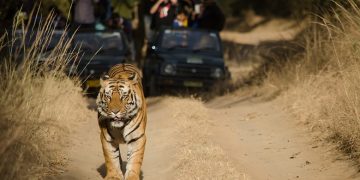
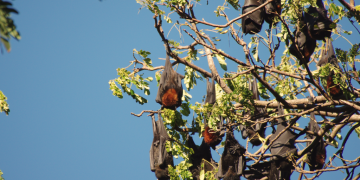
- Connection with Nature: Observing wildlife, studying plant life, and witnessing untouched landscapes can be deeply fulfilling.
2. Essential Skills for Wilderness Camping
Camping in remote areas is not just about bringing a tent and sleeping bag; it demands practical survival and navigation skills.
2.1 Navigation Skills
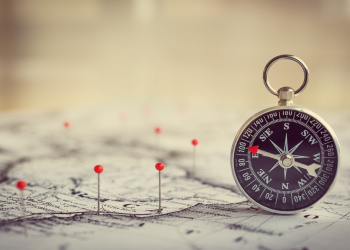
Understanding maps, compass use, and GPS technology is crucial. Even in the age of smartphones, electronic devices may fail due to battery issues or lack of signal. Campers should:
- Learn to read topographic maps.
- Understand contour lines and terrain features.
- Practice orienteering using a compass and landmarks.
2.2 Shelter and Camp Setup
Choosing the right campsite affects safety, comfort, and environmental impact. Key considerations include:
- Location: Avoid dry riverbeds prone to flash floods, areas with dead trees that could fall, and slopes susceptible to landslides.
- Wind and Sun Exposure: Consider natural windbreaks and shade.
- Leave No Trace Principles: Camp at durable surfaces and minimize ecological footprint.
2.3 Fire Safety and Cooking
In remote areas, fire management is critical. Campers must:
- Check local regulations regarding open fires.
- Use portable stoves for cooking where fires are prohibited.
- Ensure all fires are completely extinguished to prevent wildfires.
2.4 Water Procurement and Purification
Access to clean water is one of the most important survival factors. Techniques include:
- Collecting water from streams, rivers, or rain.
- Using filtration systems or chemical purification tablets.
- Boiling water when feasible to remove pathogens.
2.5 First Aid and Emergency Response
Medical help can be hours or days away, so campers should be prepared:
- Carry a comprehensive first-aid kit.
- Learn basic wound care, fracture management, and treatment for hypothermia or heatstroke.
- Have emergency communication tools, such as satellite phones or personal locator beacons.
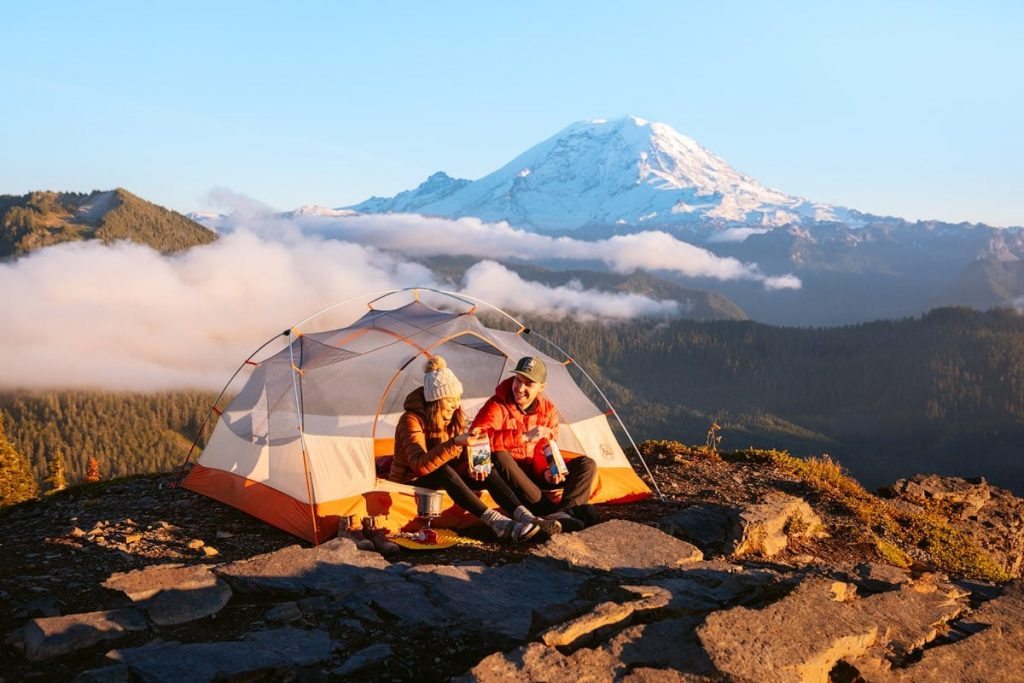
3. Essential Equipment for Remote Camping
Successful wilderness camping depends on high-quality gear. Equipment should balance weight, durability, and functionality.
3.1 Shelter and Sleeping Gear
- Tent: Lightweight, weather-resistant, and easy to assemble. Four-season tents are preferable in unpredictable climates.
- Sleeping Bag: Rated for temperatures lower than expected nighttime lows.
- Sleeping Pad: Provides insulation from cold ground and adds comfort.
3.2 Clothing
Layered clothing is essential to adapt to changing weather conditions. Key principles include:
- Base Layer: Moisture-wicking fabric to keep skin dry.
- Insulating Layer: Fleece or down for warmth.
- Outer Layer: Waterproof and windproof shell.
- Accessories: Hats, gloves, and UV-protective clothing for extreme environments.
3.3 Navigation and Communication
- Maps and Compass: Primary navigation tools.
- GPS Device: Supplementary tool for precise location tracking.
- Emergency Communication Devices: Satellite phones or personal locator beacons.
3.4 Food and Cooking Supplies
- Lightweight, high-calorie meals suitable for multi-day trips.
- Portable stove or backpacking stove with sufficient fuel.
- Utensils and lightweight cookware for minimal pack weight.
3.5 Safety Gear
- Multi-tool or knife for versatile use.
- Headlamp with extra batteries for hands-free illumination.
- Firestarter kits including waterproof matches or lighters.
4. Planning a Remote Camping Expedition
Preparation is critical for safety and enjoyment. A well-planned expedition reduces risks and ensures all essentials are accounted for.
4.1 Route Planning
- Analyze topography, water sources, and potential hazards.
- Plan daily travel distances based on terrain difficulty and physical fitness.
- Identify exit points in case of emergencies.
4.2 Permits and Regulations
Many wilderness areas require permits for overnight camping to preserve the environment and manage visitor impact. Check local regulations for:
- Camping restrictions
- Fire regulations
- Wildlife protection rules
4.3 Physical and Mental Preparation
- Engage in regular physical training to build endurance.
- Develop mental resilience to handle isolation, fatigue, and unexpected challenges.
5. Environmental Considerations
Responsible wilderness camping involves minimizing human impact and protecting fragile ecosystems.
5.1 Leave No Trace Principles
- Plan Ahead and Prepare: Reduce waste and avoid overpacking.
- Travel and Camp on Durable Surfaces: Use established trails and campsites.
- Dispose of Waste Properly: Pack out all trash, including biodegradable items.
- Leave What You Find: Avoid disturbing natural features or wildlife.
- Minimize Campfire Impact: Use stoves or established fire rings.
5.2 Wildlife Awareness
- Store food securely to prevent attracting animals.
- Respect wildlife by observing from a distance.
- Learn about local species and potential hazards.
6. Common Challenges and Solutions
Wilderness camping presents unique challenges that require foresight and adaptability.
6.1 Harsh Weather
- Pack clothing for extremes of temperature and precipitation.
- Use tents with strong wind resistance and proper ventilation.
- Monitor weather forecasts and adapt travel plans accordingly.
6.2 Navigation Errors
- Always carry multiple navigation tools.
- Practice route-finding in familiar terrain before venturing into remote areas.
- Use GPS coordinates to mark critical locations like campsites and water sources.
6.3 Limited Resources
- Carry enough food and water for longer than planned.
- Utilize natural resources responsibly, such as collecting rainwater.
- Have backup plans for equipment failure.
6.4 Physical and Psychological Fatigue
- Schedule rest days and maintain a manageable pace.
- Stay mentally engaged with nature observation or journaling.
- Partnering with experienced campers can provide emotional support.
7. Benefits of Wilderness Camping
Beyond adventure, wilderness camping offers profound benefits:
- Physical Health: Hiking and carrying gear improves strength, endurance, and cardiovascular health.
- Mental Health: Solitude and immersion in nature reduce stress and enhance mindfulness.
- Skill Development: Navigation, survival, and problem-solving skills are honed.
- Environmental Stewardship: Direct experience with nature fosters ecological responsibility.
8. Case Studies: Successful Wilderness Expeditions
- Desert Trek in the Sahara: Multi-day solo expeditions demonstrate the importance of water management and heat protection.
- Mountain Camping in the Rockies: High-altitude survival emphasizes acclimatization, oxygen management, and emergency medical readiness.
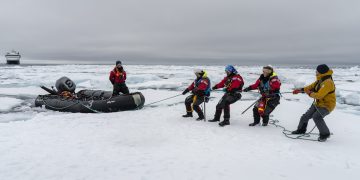
- Arctic Tundra Exploration: Extreme cold and unpredictable weather highlight the value of specialized clothing, insulated shelters, and mental resilience.
9. Conclusion
Wilderness camping in remote areas is more than just a recreational activity; it is a holistic experience combining adventure, skill, environmental awareness, and personal growth. Successful expeditions require careful planning, proper equipment, advanced skills, and a strong ethical commitment to nature. By respecting the environment, preparing thoroughly, and embracing the challenges, campers can experience unparalleled beauty and fulfillment in the world’s most remote landscapes.
Embarking on a wilderness camping trip is both a test and a reward: a test of preparedness and resilience, and a reward of solitude, beauty, and self-discovery.