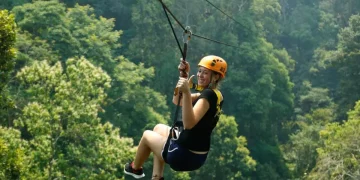










Tropical rainforests are some of the most biodiverse and challenging environments on Earth. Stretching across continents and covering approximately 6% of the Earth’s land area, these lush ecosystems are home to millions of plant and animal species, many of which remain undiscovered. Despite their beauty, the dense jungles, thick canopies, and unpredictable conditions of the rainforest make them some of the most difficult environments for exploration. Extreme expeditions into these forests require not only physical endurance but also mental toughness, specialized skills, and a deep understanding of the ecosystem.
In this article, we will explore the fascinating world of extreme tropical rainforest expeditions. From the challenges explorers face to the skills required for survival, we’ll delve into the importance of these expeditions in scientific discovery, environmental conservation, and human perseverance.
1. Understanding the Tropical Rainforest Ecosystem
Tropical rainforests are vital ecosystems that play a crucial role in regulating the global climate, supporting biodiversity, and contributing to oxygen production. These forests are characterized by dense vegetation, high humidity, and frequent rainfall. Found primarily in the equatorial zones between the Tropics of Cancer and Capricorn, they include famous locations such as the Amazon in South America, the Congo Basin in Africa, and Southeast Asia’s rainforests.
1.1 Climate and Terrain
Rainforests thrive in regions with consistent rainfall, averaging between 1750 and 2000 millimeters annually. Temperatures remain warm throughout the year, typically between 20°C and 30°C. These conditions create an environment of high humidity and dense vegetation that can be incredibly difficult to navigate.
The terrain within a tropical rainforest is uneven and often rugged, with steep hills, deep ravines, and flowing rivers that require both skill and strength to traverse. The jungle floor is typically covered in thick mud, and the dense canopy above obstructs sunlight, creating an eerie, dim atmosphere below.
1.2 Biodiversity and Ecosystem
The richness of biodiversity in tropical rainforests is unparalleled. They are home to countless species of flora and fauna, many of which are yet to be cataloged by scientists. Iconic creatures such as jaguars, tigers, orangutans, and poison dart frogs, along with a vast variety of insects and plants, make the rainforest an area of immense ecological importance.
The rainforest also serves as a critical carbon sink, absorbing significant amounts of CO2 from the atmosphere and mitigating climate change. The interdependence of species within this ecosystem makes it both delicate and resilient, which is why understanding and preserving the rainforest has become one of the focal points of modern conservation efforts.
2. The Appeal and Danger of Extreme Rainforest Exploration
Exploring tropical rainforests is not for the faint-hearted. The remote, wild nature of these environments offers both the thrill of discovery and the risk of exposure to dangerous elements. Extreme rainforest explorers are driven by a desire to understand the unknown, document new species, and push the boundaries of human endurance.
2.1 Risks and Challenges
Extreme adventures in the rainforest come with inherent risks. Some of the most common dangers faced by explorers include:
- Tropical Diseases: Malaria, dengue fever, and other mosquito-borne illnesses are prevalent in many rainforest regions. Without proper vaccinations and medications, these diseases can prove fatal.
- Wildlife Threats: Although rare, encounters with dangerous animals such as jaguars, venomous snakes (like the bushmaster), or aggressive insects like bullet ants can pose serious threats to explorers. The jungle is home to numerous creatures that can either cause injury or carry deadly diseases.
- Dehydration and Fatigue: The high humidity and intense heat of the rainforest can lead to dehydration and exhaustion. The dense vegetation makes movement slow, and getting lost or injured can result in a dangerous lack of access to water or resources.
- Tough Terrain: Navigating dense underbrush, slippery slopes, and deep rivers is physically demanding. Explorers must be prepared for sudden changes in terrain, as well as obstacles such as quicksand or flooding.
2.2 Psychological and Emotional Challenges
The isolation and constant mental strain of rainforest exploration can lead to psychological challenges as well. Many explorers face feelings of claustrophobia due to the oppressive atmosphere of the jungle. The sounds of nature can be overwhelming, and the darkness beneath the thick canopy can feel disorienting. Extended time spent in the wilderness also leads to mental fatigue, which can affect decision-making and overall safety.
The emotional toll of constant uncertainty can also be a challenge. When the forest feels endless and the path forward unclear, explorers must rely on their mental fortitude and their ability to stay calm in stressful situations.
3. Preparation for an Extreme Rainforest Expedition
An extreme rainforest expedition requires thorough preparation in both physical conditioning and specialized skills. A successful adventure is built on the principle of readiness—equipped with the right tools, knowledge, and attitude, explorers can overcome the many challenges that the rainforest throws at them.
3.1 Physical Conditioning and Endurance
Explorers need to be in peak physical condition to endure the strenuous demands of rainforest trekking. Cardiovascular fitness, strength, and stamina are all necessary for managing the rugged terrain, carrying heavy packs, and enduring long days in humid conditions.
- Cardiovascular Fitness: The ability to maintain a high level of stamina over long distances is crucial. Running, cycling, and hiking on difficult terrain can build endurance.
- Strength Training: Carrying equipment, climbing, and crawling through dense underbrush require strength. Focused strength training that targets the legs, arms, and core will prepare explorers for the physical demands of the jungle.
- Flexibility and Mobility: Flexibility helps reduce the risk of injury when navigating through tight spaces or over uneven ground. Yoga or dynamic stretching routines can improve mobility and agility in challenging terrain.
3.2 Technical Skills
Survival skills are crucial in the jungle. A solid knowledge of basic survival techniques is essential for dealing with unexpected situations.
- Navigation: In a jungle, traditional methods of navigation like maps and compasses can become useless due to the dense canopy and lack of landmarks. GPS devices and satellite communication systems are often used, but it’s important to also have a deep understanding of natural navigation methods, such as using the sun, stars, and other natural signs.
- First Aid and Emergency Response: Knowing how to handle bites from poisonous insects, administer CPR, or treat dehydration is vital in remote locations. Bringing a well-equipped first aid kit is essential, along with understanding how to treat common injuries in a rainforest setting.
- Food and Water Procurement: Identifying safe sources of food and water is crucial. Rainwater can be collected, and various fruits, roots, and plants can be foraged, but explorers must be cautious of poisonous species. Many expeditions also rely on carrying purification tablets or filtering systems for clean water.
- Shelter Building: In case of emergency, explorers need to be able to build a shelter from the materials found in the forest. Knowing how to construct a simple tarp shelter or a more complex natural shelter can be a life-saving skill.

4. Notable Rainforest Expeditions in History
Over the years, many notable explorers have ventured into the tropical rainforests, documenting the unknown, making scientific breakthroughs, and sometimes facing near-death experiences.
4.1 Percy Fawcett and the Lost City of Z
One of the most famous rainforest expeditions was led by British explorer Percy Fawcett in the early 20th century. Fawcett was obsessed with finding a lost civilization deep in the Brazilian Amazon, which he referred to as “Z.” Fawcett’s expeditions into the uncharted rainforest led to numerous discoveries, but his final mission in 1925 ended mysteriously. While many speculate that he and his team were killed by hostile tribes or the unforgiving environment, his quest remains one of the most intriguing tales of extreme rainforest exploration.
4.2 The Amazonian Expedition of 2008
In 2008, an expedition led by the renowned explorer Ed Stafford took on the ultimate challenge: becoming the first person to walk the entire length of the Amazon River. Starting from the headwaters in the Andes and traveling through perilous terrain, Stafford’s journey took over two years and was filled with hardships. From dangerous wildlife encounters to near-starvation, this expedition pushed the limits of endurance and survival in one of the world’s most hostile environments.
4.3 The Expedition to Discover New Species in Borneo
In 2009, a team of scientists embarked on an expedition into Borneo’s rainforests, which are home to some of the most diverse species of flora and fauna in the world. During this journey, researchers discovered new species of frogs, plants, and insects. These discoveries were not only valuable to science but also highlighted the need for preserving these biodiverse ecosystems before they are lost to deforestation and climate change.
5. Ethical Considerations in Rainforest Exploration
Exploring the rainforest comes with a set of ethical challenges. Explorers must strike a balance between scientific discovery and respect for the environment and the indigenous communities that live there.
5.1 Respect for Indigenous Cultures
Indigenous peoples have lived in the rainforests for millennia and have intimate knowledge of the environment. While exploration can lead to valuable scientific discoveries, it is essential for explorers to respect the rights and traditions of these communities. In many regions, rainforest tribes face threats from outside forces, including illegal logging and land exploitation.
5.2 Environmental Conservation
Rainforest ecosystems are highly vulnerable to human activities such as deforestation and mining. Explorers must be mindful of their impact on the environment, following the principles of “leave no trace” to ensure that their activities do not contribute to the degradation of the rainforest.
6. Conclusion: The Ultimate Adventure
Extreme tropical rainforest exploration is one of the most demanding and rewarding forms of adventure on Earth. It requires not only physical and mental resilience but also a deep respect for the natural world. The challenges explorers face in the dense jungles — from dangerous wildlife and unpredictable weather to the need for survival skills — are daunting, but they offer unique opportunities to witness the untouched beauty and complexity of some of the world’s most biodiverse regions.
For those willing to take on the risks, the tropical rainforest offers unparalleled rewards: a sense of discovery, the thrill of adventure, and the chance to witness nature in its most raw and unfiltered form. As we continue to explore and learn from these environments, we also gain a deeper understanding of our place on this planet and the urgent need to preserve these ecosystems for future generations.