





Introduction
The Congo Basin, located in Central Africa, is one of the world’s most vital ecological treasures. Covering approximately 3.7 million square kilometers, it represents the second-largest tropical rainforest on the planet, second only to the Amazon. This vast expanse is home to an extraordinary diversity of life, both plant and animal, many of which remain undiscovered or exist nowhere else on Earth. The Congo Basin serves as a crucial regulator of the global climate, helping to stabilize weather patterns and absorb carbon dioxide at an unprecedented scale. Moreover, it is intricately tied to the cultural, economic, and social fabric of the region, influencing millions of people who rely on its resources for survival. In this article, we will delve into the ecosystem, biodiversity, and significance of the Congo Basin, exploring its role as a lifeline for both nature and humanity.
The Geography of the Congo Basin
The Congo Basin is a vast, low-lying area centered around the Congo River, the second-longest river in Africa. Stretching through six countries—Cameroon, Central African Republic, Democratic Republic of the Congo (DRC), Republic of the Congo, Gabon, and Equatorial Guinea—the basin encompasses a wide variety of ecosystems, including dense tropical forests, wetlands, and savannas. Its geographical layout is shaped by the Congo River system, which meanders through the entire basin, with numerous tributaries feeding into it. The Congo River itself, along with its extensive network of smaller rivers, provides a vital water source to the surrounding ecosystems and communities.
The topography of the Congo Basin varies significantly across its expanse. The western portion is dominated by coastal plains, while the central part of the basin is covered by the Congo Rainforest, the heart of the ecosystem. The eastern portion, in contrast, rises into the highland plateaus, where the terrain is more rugged and prone to rainfall. These variations in geography contribute to the richness of biodiversity and ecosystems found throughout the basin.
The Rainforest: Heart of the Congo Basin
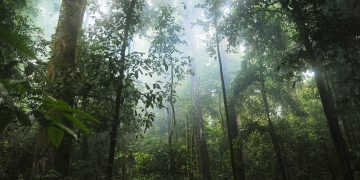
The Congo Rainforest is the defining feature of the Congo Basin, covering about half of the basin’s total area. Characterized by its towering trees, dense foliage, and constant humidity, this forest is home to a variety of species that thrive in the rich, warm, and wet conditions. The region experiences two wet seasons each year, maintaining a steady temperature range of around 22-27°C (71-81°F), which allows the forest to flourish throughout the year.
This tropical rainforest is an ancient and incredibly resilient ecosystem, hosting a staggering array of plant species—many of which are still being studied and cataloged. Some of the most notable species include the African ebony tree, the distinctive okoumé tree (which provides valuable timber), and the edible wild yam. The forest also supports a wealth of medicinal plants, some of which have been used by local communities for centuries, and others that hold promise for future scientific discoveries.
Moreover, the dense canopy of the Congo Rainforest plays a critical role in regulating the climate. It acts as a significant carbon sink, absorbing vast quantities of carbon dioxide from the atmosphere, thus helping to mitigate the effects of climate change. This makes the Congo Basin an essential asset in global efforts to combat global warming and its related consequences.
Biodiversity in the Congo Basin: A Global Treasure
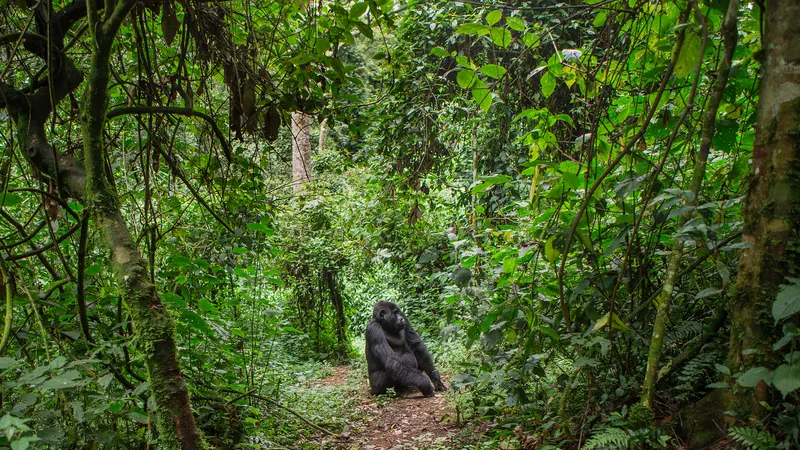
The Congo Basin is home to a remarkable diversity of flora and fauna, many of which are endemic, meaning they exist nowhere else in the world. The forest is populated by over 10,000 plant species, 400 species of mammals, and 1,000 bird species, in addition to a wealth of amphibians, reptiles, and insects. Some of the most iconic creatures in the basin include the critically endangered mountain gorilla, the forest elephant, and the bonobo—a species of chimpanzee found only in this region.
Primates of the Congo Basin
One of the most significant groups of animals in the Congo Basin are the primates, which include some of our closest living relatives. The bonobo, in particular, has garnered much attention due to its unique social structure and peaceful behavior. Bonobos are known for their matriarchal societies and their use of sexual behavior to resolve conflicts, making them a fascinating subject of study for primatologists and anthropologists.
The region also serves as the primary habitat for the western lowland gorilla, another critically endangered species. The gorilla’s role in the ecosystem is vital as they contribute to seed dispersal, helping to maintain the health of the forest. Unfortunately, due to poaching and habitat loss, gorilla populations are rapidly declining, making conservation efforts in the region even more critical.
Forest Elephants and Other Mammals
Forest elephants, a smaller and more elusive cousin of the savannah elephant, are another key species of the Congo Basin. These elephants are not only important for maintaining forest dynamics by helping to disperse seeds and create pathways through the dense underbrush, but they also play a role in the cultural traditions of local communities.
The Congo Basin is also home to a variety of other mammals, such as antelope, okapi, and giant forest hogs. Each of these species is intricately connected to the rainforest ecosystem, contributing to the health and balance of the environment.
Threats to the Congo Basin
While the Congo Basin remains one of the most biodiverse and vital regions on the planet, it faces numerous threats that jeopardize its future sustainability. Deforestation, illegal logging, mining, and poaching are among the most pressing issues that threaten both the forest itself and the species that depend on it.
Deforestation and Logging
The demand for timber, particularly for hardwood species like mahogany and okoumé, has led to widespread deforestation in parts of the Congo Basin. Large-scale logging operations, both legal and illegal, have stripped large portions of the forest of their valuable trees, threatening the delicate balance of the ecosystem. The loss of trees not only reduces biodiversity but also diminishes the rainforest’s ability to sequester carbon, exacerbating climate change.
Mining and Oil Exploration
The Congo Basin is rich in natural resources, including valuable minerals like cobalt, copper, and gold, as well as significant oil reserves. The extraction of these resources has led to habitat destruction, water pollution, and conflicts with local communities who rely on the land for subsistence. Mining operations often result in the displacement of indigenous peoples, the destruction of wildlife habitats, and the contamination of rivers and streams that are vital for both people and animals.
Poaching and Wildlife Trafficking
Illegal hunting of wildlife, including primates, elephants, and other endangered species, is another major threat to the Congo Basin’s biodiversity. Poaching for bushmeat and the illegal wildlife trade have caused population declines in several species, with some nearing extinction. In particular, the demand for elephant ivory and gorilla meat has driven these species to the brink of survival.
Conservation Efforts: Protecting the Congo Basin
In light of these threats, several international and local conservation organizations are working tirelessly to protect the Congo Basin and its rich biodiversity. One of the most significant efforts is the Congo Basin Forest Partnership (CBFP), a multilateral initiative that brings together governments, NGOs, and private sector actors to promote sustainable management of the forest. This partnership has worked to reduce illegal logging, improve law enforcement, and support the development of eco-friendly industries.
Another key initiative is the establishment of protected areas, such as the Nouabale-Ndoki National Park in the Republic of the Congo and the Salonga National Park in the DRC. These parks serve as sanctuaries for endangered species and help maintain the integrity of the rainforest ecosystem. Additionally, some organizations focus on community-based conservation, working with indigenous and local populations to promote sustainable land-use practices and raise awareness about the importance of preserving the forest.
Efforts to combat poaching are also gaining momentum, with international cooperation to address wildlife trafficking and strengthen enforcement of anti-poaching laws. Programs such as the African Wildlife Foundation’s “Elephant Protection Initiative” work to reduce poaching and increase the number of elephants in the wild.
Conclusion
The Congo Basin is one of the most vital and biologically rich regions on Earth. Its rainforests, teeming with life, regulate the global climate, provide a wealth of natural resources, and sustain millions of people. However, the basin faces significant threats, from deforestation and mining to poaching and climate change. Protecting this invaluable ecosystem is not only crucial for the survival of countless species but also for the well-being of the entire planet. By supporting sustainable development, conservation efforts, and environmental stewardship, we can help ensure that the Congo Basin continues to thrive for generations to come.