








Introduction: The Lungs of the Earth
The Amazon Rainforest, often referred to as the “Lungs of the Earth,” is one of the most biodiverse and ecologically significant places on the planet. Spanning over 5.5 million square kilometers across nine countries in South America, the Amazon basin is home to an unparalleled diversity of flora and fauna. Its vast expanse plays a critical role in regulating the Earth’s climate and carbon cycle, while supporting a plethora of unique cultures and ecosystems.
The Amazon is more than just a forest. It is a complex, interconnected system that encompasses riverways, tropical vegetation, and a rich, vibrant biodiversity that is crucial to life on Earth. This article will explore the geography, biodiversity, environmental challenges, and conservation efforts in the Amazon Rainforest, highlighting why it is one of the most vital ecosystems for the planet’s survival.
1. Geography and Formation of the Amazon Rainforest
1.1 The Geography of the Amazon Basin
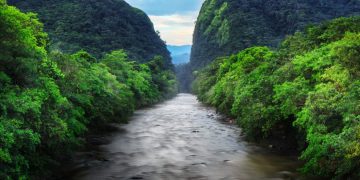
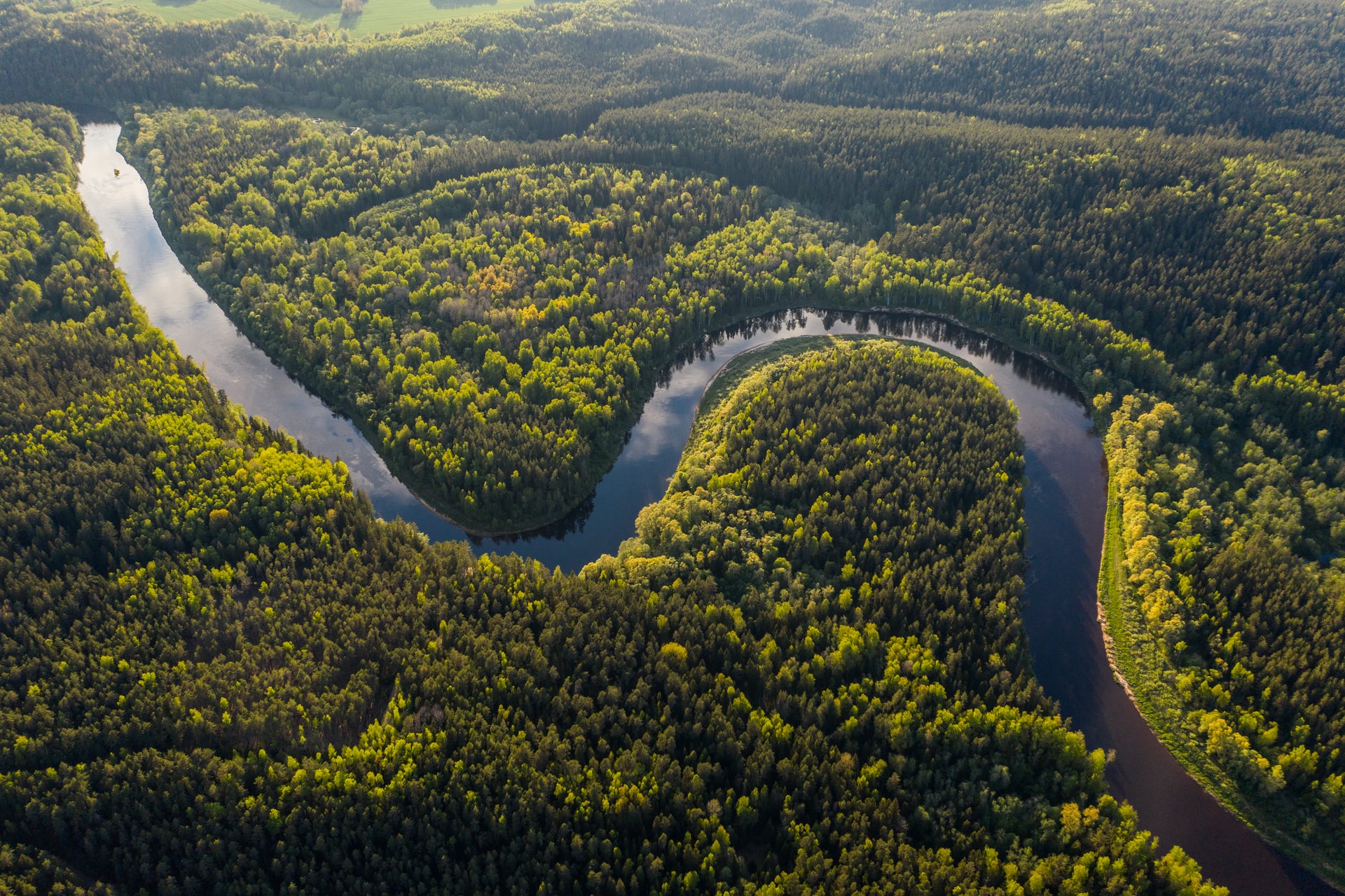
The Amazon Rainforest stretches across the Amazon Basin, a region that covers parts of Brazil, Peru, Colombia, Venezuela, Ecuador, Bolivia, Guyana, Suriname, and French Guiana. The basin is drained by the mighty Amazon River, which is the second-longest river in the world after the Nile. The Amazon River itself spans over 4,300 miles (7,000 kilometers) and serves as the lifeblood of the rainforest, carrying water, nutrients, and sediments from the Andes Mountains to the Atlantic Ocean.
- The Amazon River: The river and its numerous tributaries, including the Madeira River, Negro River, and Xingu River, play a vital role in sustaining the rainforest ecosystem.
- Topography: The landscape is dominated by dense tropical rainforests, floodplains, and wetlands, with vast areas of swamps and mangroves along the coast.
1.2 Climate and Rainfall
The climate of the Amazon is classified as tropical, with high temperatures and high humidity year-round. The region experiences two distinct seasons:
- Rainy Season (December to May): During this period, the Amazon receives the majority of its annual rainfall, which can range from 2,000 to 3,000 millimeters (79 to 118 inches).
- Dry Season (June to November): While rainfall decreases, the forest still experiences high humidity and occasional rainfall, which ensures the stability of its ecosystems.
- Temperature: Average temperatures in the Amazon typically range from 25°C to 30°C (77°F to 86°F), creating a humid, hot environment conducive to lush plant growth.
2. Biodiversity of the Amazon Rainforest
2.1 Flora: The Green Heart of the Planet
The Amazon Rainforest is home to an incredible array of plant species, many of which are still undiscovered by scientists. The forest canopy, which forms the top layer of the rainforest, is home to some of the most iconic trees in the world.
- Rainforest Canopy: The canopy is where the majority of the Amazon’s plant and animal life thrives. Tall trees, such as the kapok tree, the Brazil nut tree, and mahogany, tower over the forest floor.
- Medicinal Plants: The Amazon is also the source of thousands of plant species used by indigenous communities for medicinal purposes. For example, the cinchona tree provides quinine, a key ingredient in treating malaria.
- Epiphytes: A wide range of epiphytic plants, including orchids, bromeliads, and ferns, grow on the branches of trees, absorbing moisture and sunlight directly from the air.
2.2 Fauna: A World of Wonders
The animal diversity in the Amazon is just as remarkable as its plant life. From the forest floor to the canopy, the Amazon is home to some of the world’s most exotic and rare species.
- Mammals: The Amazon is home to the jaguar, the largest wildcat in the Americas, as well as the amazon river dolphin, the elusive giant river otter, and the capybara, the largest rodent in the world.
- Birds: The region is a birdwatcher’s paradise, boasting more than 1,300 species of birds, including the harpy eagle, the scarlet macaw, and the hoatzin.
- Reptiles and Amphibians: The Amazon is home to many species of reptiles, including the green anaconda and the Amazon river turtle, as well as various amphibians such as the poison dart frog.
- Insects: The Amazon Rainforest is home to an astonishing array of insects, including the bullet ant, the leaf-cutter ant, and fireflies that light up the forest at night.
2.3 Ecosystem Functions and Interdependencies
The interconnectedness of the Amazon’s ecosystems is one of its defining characteristics. Each species—whether plant, animal, or microorganism—plays a critical role in maintaining the balance of the ecosystem.
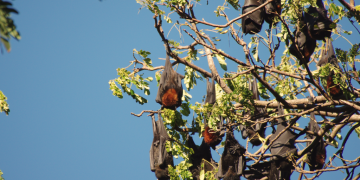
- Pollination: Many animals, such as bats, bees, and butterflies, are responsible for pollinating the diverse plant species of the rainforest.
- Decomposition: The dense layer of leaf litter on the forest floor is broken down by fungi, bacteria, and insects, returning vital nutrients to the soil.
- Water Cycle: The rainforest is a key part of the Earth’s water cycle. Trees in the Amazon absorb large amounts of water and release moisture back into the atmosphere through transpiration, creating the rainclouds that sustain the rainforest.
3. Human Presence and Indigenous Cultures of the Amazon
3.1 Indigenous Communities
The Amazon Rainforest has been home to indigenous peoples for thousands of years. These communities have developed complex cultures, languages, and traditional knowledge related to the forest. It is estimated that more than 400 indigenous groups live in the Amazon today, with many of them maintaining a semi-nomadic lifestyle and relying on the forest for food, medicine, and shelter.
- Traditional Practices: Indigenous people use a wide range of natural resources from the forest for hunting, fishing, gathering, and agriculture. They also have deep spiritual connections to the land and its creatures.
- Language and Culture: The Amazon hosts a variety of languages, including Tupi-Guarani, Arawakan, and Carib, each with unique cultural practices, such as the use of ritualistic body painting, music, and dance.
- Threats to Indigenous Communities: However, these indigenous peoples face increasing threats from deforestation, illegal mining, oil extraction, and infrastructure development, which have encroached upon their ancestral lands.
3.2 The Impact of External Forces
Throughout history, the Amazon has been subject to external pressures that have dramatically altered its landscape. The arrival of European settlers, followed by colonial exploitation, led to the deforestation of large parts of the forest and the displacement of indigenous populations. Today, the Amazon is still under threat from various human activities:
- Logging: The Amazon is the target of illegal logging operations that clear vast tracts of forest for timber, leading to deforestation and habitat loss for countless species.
- Agriculture and Cattle Ranching: Large-scale farming, particularly for soybeans, palm oil, and beef, is one of the leading causes of deforestation in the Amazon.
- Mining: The extraction of gold and other minerals continues to degrade the environment, polluting rivers and destroying vital habitats.
4. Conservation Efforts and the Future of the Amazon
4.1 The Importance of Amazon Conservation
The Amazon Rainforest plays a critical role in regulating the Earth’s carbon cycle and is essential in mitigating the effects of climate change. As one of the largest carbon sinks in the world, the Amazon absorbs massive amounts of carbon dioxide, helping to reduce the impacts of global warming.
- Global Climate Regulation: The Amazon’s trees and plants store carbon, which would otherwise be released into the atmosphere, exacerbating the greenhouse effect and accelerating climate change.
- Biodiversity: The Amazon is also home to about 10% of the world’s known species, making its protection crucial for maintaining global biodiversity.
4.2 Efforts to Protect the Amazon
Efforts to conserve the Amazon have grown in recent decades, but the region still faces significant challenges. Governments, NGOs, and indigenous organizations have been at the forefront of efforts to preserve the rainforest.
- Protected Areas: Various national parks and reserves have been established across the Amazon to protect its forests and wildlife.
- Sustainable Practices: Some indigenous communities and environmental organizations have promoted sustainable forestry and agriculture, aiming to preserve the Amazon while maintaining the livelihoods of local populations.
- International Cooperation: Countries like Brazil and Peru, as well as global organizations like the UN, have collaborated on various initiatives to tackle illegal logging, deforestation, and conservation.
4.3 The Future of the Amazon
The future of the Amazon Rainforest hinges on global cooperation and commitment to sustainable development practices. Governments must enforce stronger environmental protections, and international efforts must focus on reducing deforestation and supporting indigenous communities in their stewardship of the land.
Conclusion: The Amazon, a Vital Link in the Earth’s Ecosystem
The Amazon Rainforest is not just a forest. It is the heartbeat of the planet, playing a pivotal role in climate regulation, biodiversity conservation, and the cultural survival of indigenous peoples. As one of the Earth’s most complex ecosystems, it holds immense value—ecologically, economically, and culturally.
Protecting the Amazon is no longer just the responsibility of the countries that share it; it is a global imperative. As we face unprecedented challenges from climate change, deforestation, and biodiversity loss, the Amazon stands as a reminder of our interconnectedness with the natural world. It is crucial that we all act to ensure its survival—for the sake of the planet, for the millions of species that call it home, and for future generations.