








Introduction
The vast expanse of Siberia, spanning much of northern Russia and beyond, is home to two of the planet’s most unique and ecologically significant ecosystems: the Siberian Taiga and the Tundra. Together, these regions form a cold, remote, and challenging environment that has shaped both the flora and fauna that live there, as well as the human cultures that have adapted to its extreme conditions.
The Siberian Taiga, also known as the boreal forest, stretches across much of northern Asia, while the Tundra lies further to the north, where the harsh Arctic climate dominates. These two regions are interconnected, both geographically and ecologically, but each represents a distinct part of the world’s climatic spectrum. In this article, we will explore the geographical features, ecological dynamics, biodiversity, and global significance of the Siberian Taiga and Tundra, while also examining the impacts of climate change on these fragile ecosystems.
The Siberian Taiga: An Endless Forest
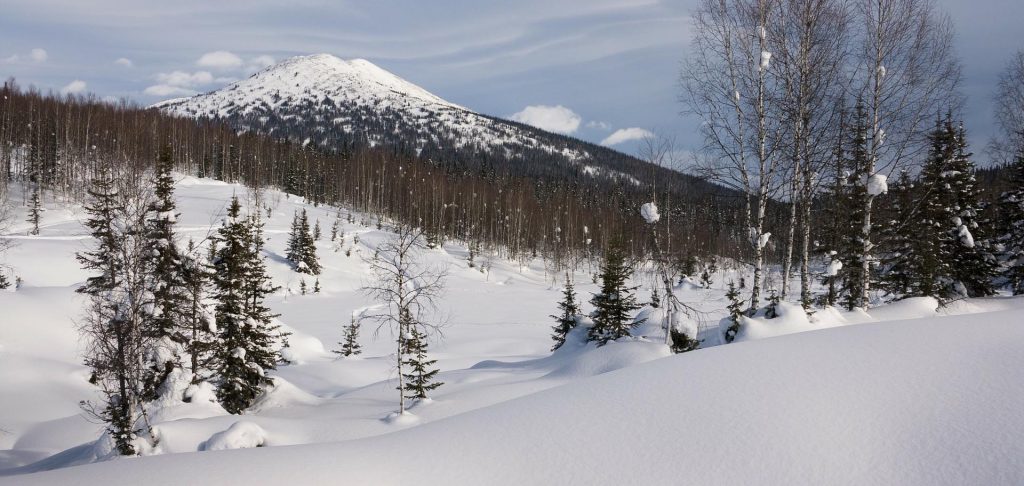
The Siberian Taiga is one of the largest and most important forests in the world. It covers approximately 13 million square kilometers, making up about 25% of the Earth’s remaining forests. It is part of the boreal forest zone, which encircles the northern latitudes across North America, Europe, and Asia. In Siberia, the Taiga is vast, stretching from the Ural Mountains to the Pacific Ocean, and from the Arctic Ocean down to Mongolia and northern China.
Climate and Geography
The climate of the Siberian Taiga is marked by long, harsh winters and short, cool summers. Winter temperatures can plummet as low as -40°C (-40°F), while summer temperatures rarely exceed 15°C (59°F). The growing season is brief—often no more than two to three months—during which time plants must rapidly complete their life cycles.
Siberia’s topography varies widely, with rolling hills, vast plains, and towering mountain ranges. Rivers and lakes are abundant, and the region’s soil, while generally nutrient-poor, supports a wide variety of coniferous trees, including the iconic Siberian larch, pine, and spruce. These trees dominate the landscape, their needle-like leaves adapted to conserve water and withstand extreme cold.
Flora of the Taiga
The Siberian Taiga is predominantly a forest of conifers, though there are also deciduous trees such as birch, poplar, and aspen scattered throughout the landscape. The dominance of coniferous trees in this environment is a result of their adaptations to cold climates, such as their needle-like leaves, which reduce water loss and help them survive the winter freeze.
The forest floor is covered with mosses, lichens, and ferns, and there are occasional wildflowers that bloom during the brief summer. Due to the permafrost below the surface, soil nutrients are often locked away, creating a nutrient-poor environment that limits the variety of plant life in the region.
Fauna of the Taiga
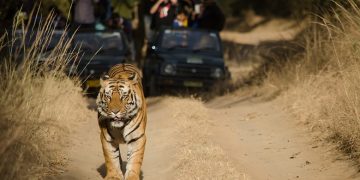
The Siberian Taiga supports a range of wildlife, including many species that are uniquely adapted to the cold, forested environment. The region is home to large mammals such as the Siberian tiger, the brown bear, and the elk. These species are critical to the food chain, with apex predators like the Siberian tiger playing a key role in maintaining the balance of the ecosystem.
Additionally, smaller mammals like red foxes, hares, and squirrels are abundant, while the dense tree canopy provides shelter for many bird species, including woodpeckers, owls, and migratory birds. The Taiga also supports various rodents, amphibians, and a wide range of insects, which serve as a food source for many of the larger animals.
The Siberian Tundra: The Edge of the Arctic
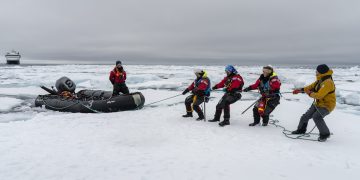
To the north of the Siberian Taiga lies the Tundra, a harsh, treeless landscape where the cold dominates the environment. It stretches across much of Siberia’s northernmost regions, extending into the Arctic Circle and beyond. The Tundra is marked by permafrost, a layer of frozen soil that remains frozen year-round, and it is a region of extreme temperatures, where winters are long, and summers are short and cool.
Climate and Geography
The Tundra’s climate is one of the most extreme on Earth, with temperatures regularly dropping below -50°C (-58°F) in winter. During summer, temperatures can briefly rise to around 10°C (50°F), but these warm spells are fleeting. The region is also characterized by an almost continuous cycle of light and dark, with polar days in the summer and polar nights in the winter.
Geographically, the Tundra is flat and barren, with few features other than shallow lakes, bogs, and rivers. The terrain is often covered in moss, lichens, and grasses, with the occasional shrub or stunted tree. These ecosystems are vital for several migratory species and offer unique challenges for the plants and animals that inhabit them.
Flora of the Tundra
The flora of the Siberian Tundra is sparse but hardy. Vegetation is dominated by mosses, lichens, grasses, and low-lying shrubs, all of which have adapted to survive the extreme cold and short growing seasons. Plants in the Tundra are often small, low to the ground, and capable of conserving energy and water during the long, cold winters.
Because the ground is frozen for much of the year, plant life must grow quickly during the short summer months. Many plants have evolved to grow close to the ground in clumps, which helps conserve heat and protect them from the strong winds that whip across the region.
Fauna of the Tundra
Despite the harsh conditions, the Tundra is home to a variety of specialized wildlife. Large herbivores such as the reindeer and the wild yak roam the frozen landscape, grazing on the limited vegetation available. These animals are vital to the ecosystem, and they have evolved to cope with the extreme cold, growing thick coats of fur to insulate them during the long winters.
The Tundra is also home to several species of birds, such as the snow bunting and the Arctic loon, that migrate to the region during the summer to breed. Predators like the Arctic fox and the snow leopard hunt smaller animals such as rodents, birds, and even young reindeer.
The Role of Siberian Ecosystems in Global Climate Regulation
Both the Siberian Taiga and Tundra play a critical role in regulating the global climate. These regions act as carbon sinks, absorbing and storing vast quantities of carbon dioxide from the atmosphere. The Taiga, in particular, is one of the largest carbon sinks in the world, storing more carbon in its trees and soil than all of the world’s tropical rainforests combined.
The permafrost in the Tundra also contains vast amounts of carbon in the form of frozen organic matter. As the permafrost remains frozen, it keeps these carbon stores from being released into the atmosphere. However, this delicate balance is under increasing threat due to global warming, which is causing the permafrost to thaw and release large amounts of methane and carbon dioxide—two potent greenhouse gases—into the atmosphere. This process creates a feedback loop, where the warming climate leads to more thawing, which in turn accelerates the rate of global warming.
Threats to the Siberian Taiga and Tundra
While these ecosystems have endured for millions of years, they are now facing unprecedented threats. Climate change is the most significant factor affecting the Siberian Taiga and Tundra. As global temperatures rise, the delicate balance of these ecosystems is being disrupted.
Climate Change
Rising temperatures are causing the permafrost in the Tundra to thaw, which not only releases carbon and methane into the atmosphere but also disrupts the hydrological cycle and the structure of the landscape. The thawing of the permafrost can lead to the collapse of the ground, creating sinkholes and making the land unsuitable for the plants and animals that depend on it.
In the Taiga, warmer temperatures are causing tree species to migrate northward, leading to changes in forest composition. Additionally, the warmer climate is increasing the frequency and intensity of forest fires, which have become more difficult to manage and have devastating effects on both local wildlife and carbon storage.
Human Activity
In addition to climate change, human activities such as logging, mining, and oil exploration are having significant impacts on these fragile ecosystems. Large-scale logging operations in the Taiga are causing deforestation, while the extraction of oil and gas in the Arctic regions threatens to pollute the delicate tundra environment. Invasive species, hunting, and industrial development are all contributing to the degradation of these ecosystems.
Conservation Efforts: Protecting Siberia’s Fragile Ecosystems
Efforts to protect the Siberian Taiga and Tundra are ongoing, but the challenges are immense. International conservation organizations, along with local governments and indigenous communities, are working to mitigate the impacts of human activities and climate change.
One of the most important conservation initiatives is the establishment of protected areas and national parks. These areas are designated to preserve critical habitats and reduce human impact on sensitive ecosystems. In the Siberian Taiga, forest conservation efforts aim to reduce illegal logging and promote sustainable forestry practices. Meanwhile, in the Tundra, there are increasing calls for the preservation of permafrost and the development of strategies to mitigate its thawing.
Conclusion
The Siberian Taiga and Tundra are two of the planet’s most extraordinary and ecologically significant ecosystems. Despite their harsh conditions, they support a remarkable array of life and play a crucial role in regulating the global climate. However, the combined threats of climate change and human activity are rapidly pushing these ecosystems to the brink. Protecting these regions requires coordinated global action, sustainable management practices, and increased awareness of the importance of these fragile landscapes in maintaining the health of the planet. The future of Siberia’s Taiga and Tundra depends on our collective efforts to safeguard their biodiversity and their role in the global climate system.