









Introduction: The Last Great Frontier
The Antarctic is often described as the final frontier of exploration. It is a vast, desolate, and mysterious continent that has captivated adventurers, scientists, and explorers for centuries. While much of the world’s landmass has been charted and mapped, Antarctica remains an untamed wilderness—its interior, a breathtakingly remote and hostile environment.
In this article, we delve into the challenges, history, and significance of exploring the heart of Antarctica, focusing on the snowfields, ice caps, and the relentless pursuit of scientific understanding that drives expeditions to this frozen landscape. From the first daring expeditions to modern-day research missions, Antarctic exploration continues to provide invaluable insights into climate change, geography, and the survival of life in extreme conditions.
1. The Frozen Wilderness: Geography and Climate of the Antarctic Interior
1.1 The Harsh and Unforgiving Landscape
Antarctica is the southernmost continent, characterized by perpetual ice sheets, towering mountain ranges, and vast snowfields. The Antarctic Ice Sheet holds approximately 70% of the world’s fresh water, making it the largest single mass of ice on Earth. Despite its frozen exterior, Antarctica is home to a wealth of hidden landscapes and geological wonders.
The interior is dominated by:
- The East Antarctic Ice Sheet, which is older and thicker, covering around 75% of the continent.
- The West Antarctic Ice Sheet, which is more vulnerable and has been the focus of research regarding potential sea-level rise.
- The Transantarctic Mountains, a formidable range that divides East and West Antarctica.
1.2 Extreme Climate Conditions
- Temperature: The interior of Antarctica is one of the coldest places on Earth, with average temperatures plummeting well below -40°C in winter.
- Wind: Katabatic winds, descending from the polar plateau, can reach speeds of up to 200 mph, making travel difficult and dangerous.
- Darkness: For much of the year, Antarctica is locked in total darkness, with the polar night lasting for several months. This creates an additional psychological challenge for explorers.
2. The History of Antarctic Exploration
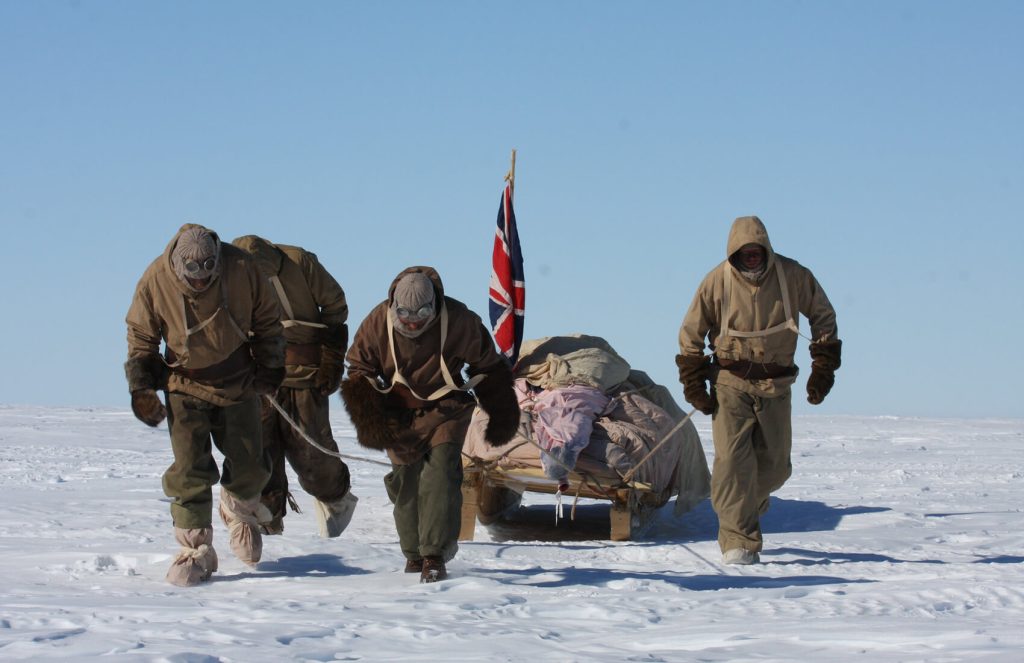
The exploration of Antarctica began in the early 19th century but became more serious and systematic at the turn of the 20th century. The quest to reach the South Pole has driven some of the most heroic and tragic stories in the history of exploration.
2.1 Early Expeditions
In the late 19th and early 20th centuries, countries like the United Kingdom, Norway, and Australia began organizing expeditions to Antarctica in hopes of scientific discovery and territorial claims. The following expeditions were pivotal:
- James Clark Ross (1839-1843): An early British explorer, Ross mapped large portions of the Antarctic coastline and discovered the Ross Sea and Ross Ice Shelf.
- Robert Falcon Scott (1901-1912): Scott led several expeditions to the Antarctic, including his tragic race to the South Pole in 1912. His party reached the pole only to find that Roald Amundsen’s Norwegian team had arrived a month earlier. On their return journey, Scott and his men perished in the freezing wilderness.
- Roald Amundsen (1911): The Norwegian explorer was the first to reach the South Pole, using sled dogs and meticulous planning. His success was in stark contrast to Scott’s failure, and Amundsen’s expeditions further opened the door to deep Antarctic exploration.
2.2 The Heroic Age and the Shift to Scientific Exploration
After the early 20th century, the focus of Antarctic exploration shifted from territorial claims and expeditions of discovery to scientific research. The establishment of permanent research stations during the International Geophysical Year (IGY) of 1957-1958 marked the beginning of modern exploration in Antarctica, focusing on geology, glaciology, and climatology.
3. The Modern-Day Quest: Antarctic Research and Technology
3.1 Advancements in Technology
Today, Antarctic exploration is less about pure adventure and more focused on scientific discovery and research, especially as the effects of climate change become more evident. Modern explorers and scientists rely heavily on cutting-edge technology for survival and data collection in the extreme environment of the Antarctic interior.
- Satellites and Remote Sensing: Provide crucial data on the thickness of the ice sheets and the movement of glaciers.
- GPS and Drones: Used for mapping remote areas and surveying ice formations.
- All-terrain Vehicles: Essential for traversing vast ice fields and snow dunes, allowing researchers to access previously unreachable locations.
3.2 Scientific Expeditions
In the modern era, exploration is primarily focused on understanding Antarctica’s role in the Earth’s climate system. The International Polar Year and ongoing initiatives by the British Antarctic Survey (BAS), the Australian Antarctic Division (AAD), and NASA have opened up many new avenues of exploration:
- Ice Core Drilling: Collecting ice cores that preserve centuries of climate data trapped in the layers of snow and ice.
- Geothermal and Subglacial Exploration: Investigating subglacial lakes and volcanic activity beneath the ice sheet, which could reveal new ecosystems or insights into global warming.
4. The Challenges of Exploring the Antarctic Interior
4.1 Extreme Cold and Harsh Conditions
Exploring the interior of Antarctica is a high-risk endeavor due to the extreme cold, unpredictable weather, and dangers associated with glaciers and ice shelves. Exposure to the harsh elements can result in frostbite, hypothermia, and other life-threatening conditions.
Survival requires:
- Proper Clothing: Multiple layers of specialized thermal clothing, including insulation, windproof materials, and insulated boots.
- Shelter: Temporary tents designed to withstand high winds and low temperatures, equipped with specialized heating and ventilation systems.
- Navigation in Blizzards: Incomplete visibility due to snowstorms makes navigation extremely challenging, requiring advanced equipment such as GPS devices and compass systems.
4.2 Mental and Psychological Strain
The Antarctic interior is a vast, monotonous expanse of white snow and ice, and explorers often face psychological challenges like solitude, isolation, and the effects of perpetual daylight or darkness. For long-duration expeditions, maintaining mental health is just as important as physical endurance.
- Isolation: Long periods away from loved ones can lead to depression and anxiety.
- Polar Night: Extended periods of darkness during the polar winter can cause seasonal affective disorder (SAD) and disrupt circadian rhythms.
4.3 Environmental Hazards
The Antarctic environment is one of the most fragile and dangerous ecosystems on Earth. Some of the risks include:
- Crevasses: Deep, invisible cracks in the ice that can be perilous for both humans and equipment.
- Avalanches: While not as common in Antarctica as in other snowy regions, avalanches still present a significant threat, particularly near ice shelves.
- Blizzards and Katabatic Winds: Sudden and fierce winds can create whiteout conditions, making navigation almost impossible and severely reducing visibility.
5. The Role of the Antarctic Treaty and Environmental Protection
5.1 The Antarctic Treaty System (ATS)
In 1959, the Antarctic Treaty was signed by 12 countries and has since expanded to include over 50 nations. The treaty’s primary goals are to ensure that Antarctica is used for peaceful purposes and scientific research and to protect its fragile environment from exploitation.
- Prohibition of Military Activity: The continent remains a demilitarized zone, with no military operations allowed.
- Environmental Conservation: The treaty places strict regulations on waste disposal, wildlife conservation, and the preservation of historical sites in Antarctica.
5.2 Ecological Sensitivity
Antarctica’s pristine environment makes it a natural laboratory for studying the effects of human activity on global systems. The continent’s delicate ecosystems, especially those of its marine life (e.g., penguins and seals), are heavily protected under international law.
- Tourism Management: Strict guidelines govern the number of tourists allowed and their impact on wildlife.
- Sustainable Research Practices: Scientists working in Antarctica adhere to strict waste management protocols, including minimizing the carbon footprint of their activities.
6. The Future of Antarctic Exploration
As the Earth faces the challenges of climate change, the exploration of Antarctica has become more urgent. Research stations and expeditions continue to contribute valuable data about the continent’s melting ice, the rise of sea levels, and the effects of global warming. In the future, technology will play an even more significant role in exploring the deep interior of Antarctica:
- AI and Autonomous Vehicles: Robotic systems may replace human researchers in the most hazardous areas.
- Deep Ice Exploration: Advanced drilling techniques will allow scientists to probe deeper into Antarctica’s ice sheet, uncovering even older climate data and biological mysteries.
Antarctica is not just an exploration of ice—it is an exploration of our future and the Earth’s climate systems. With continued research, technological advancement, and international cooperation, Antarctica will remain one of the most important frontiers of scientific exploration in the 21st century.
Conclusion: The Enduring Legacy of Antarctic Exploration
Antarctica may be a land of ice and snow, but it is also a land of discovery, resilience, and unparalleled scientific significance. From early adventurers like Scott and Amundsen to the cutting-edge research of today, exploring the interior of the frozen continent is as much about human endurance and courage as it is about the pursuit of knowledge.
As the world faces increasing environmental challenges, Antarctic exploration will continue to offer critical insights into climate change, ecosystems, and the delicate balance of life on Earth. The unyielding spirit of those who venture into the heart of Antarctica will remain a testament to human curiosity, tenacity, and the eternal quest for knowledge.