









Introduction: The Rise of Bushcraft Among Youth
In today’s rapidly changing world, many young people face heightened anxiety and psychological stress caused by global uncertainties such as economic instability, environmental crises, technological disruption, and social pressures. This phenomenon has led to an unexpected resurgence of interest in bushcraft, the traditional practice of wilderness survival skills, including fire-making, shelter construction, water sourcing, foraging, and navigation.
Bushcraft is more than just a set of practical survival techniques—it has become a means of coping, self-reliance, and mental resilience for young people. Engaging in hands-on activities in nature provides a grounding experience, helping individuals regain a sense of control, purpose, and emotional balance.
This article explores why bushcraft is attracting younger generations, how it addresses psychological anxiety, the specific skills being learned, and how this engagement promotes long-term personal growth and mental well-being.
1. Understanding the Modern Psychological Context
1.1 Uncertainty and Anxiety Among Young People
- Millennials and Gen Z face unique stressors: volatile job markets, climate change, social media pressures, and global crises.
- Surveys indicate rising rates of anxiety, depression, and feelings of instability among youth worldwide.
- This “uncertain era” creates a desire for practical skills and tangible achievements that offer a sense of control.
1.2 The Role of Nature in Mental Health
- Nature exposure reduces cortisol levels, heart rate, and perceived stress.
- Activities like hiking, camping, and wilderness survival improve mood and cognitive function.
- Bushcraft combines skill acquisition with immersion in natural environments, providing both mastery and restoration.
Key Principle: Learning tangible survival skills addresses both external uncertainty and internal psychological tension.
2. What is Bushcraft?
Bushcraft encompasses a broad range of wilderness survival skills, emphasizing resourcefulness, creativity, and adaptability:
2.1 Core Skills
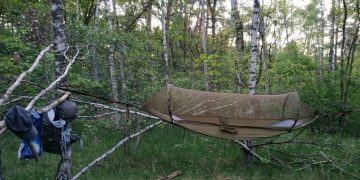
- Shelter Construction: Learning to build functional and safe shelters using natural materials
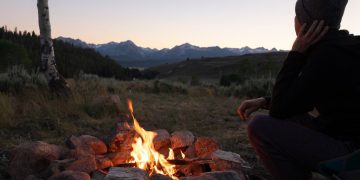
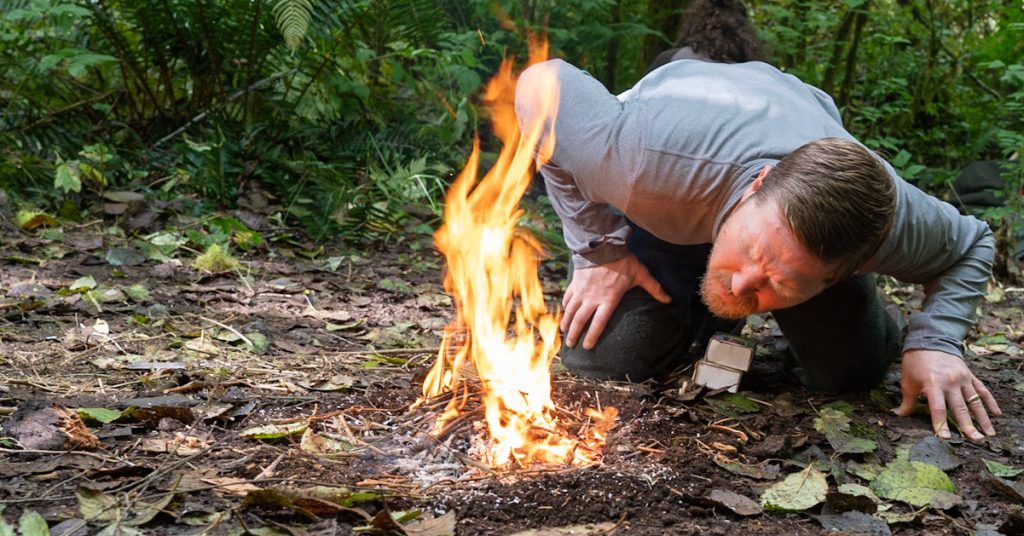
- Firecraft: Making fire with flint, steel, or friction methods
- Water Procurement and Purification: Identifying and safely accessing natural water sources
- Food Foraging: Recognizing edible plants, mushrooms, and wild foods
- Navigation and Tracking: Using natural landmarks, stars, and traditional compasses
2.2 Philosophical Approach
- Self-reliance: developing confidence in one’s ability to survive and adapt
- Environmental awareness: learning respect for ecosystems and sustainability
- Problem-solving: cultivating creativity and resilience in unpredictable scenarios
Bushcraft is as much a mindset and lifestyle as it is a set of physical skills.
3. Why Young People Are Turning to Bushcraft
3.1 Desire for Practical Competence
- Modern education often emphasizes theory over tangible skills.
- Bushcraft allows young people to see immediate results from their actions: a successful fire, a well-constructed shelter, or a clean water source.
3.2 Connection with Nature
- Urban environments can foster disconnection and stress.
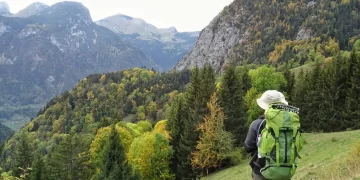
- Wilderness immersion offers restorative benefits: quiet, focus, and mindfulness.
3.3 Coping with Anxiety
- Learning survival skills provides a sense of control in uncertain times.
- Structured challenges (e.g., building a shelter, navigating terrain) foster resilience and confidence.
3.4 Social and Community Engagement
- Bushcraft courses and clubs provide opportunities for peer support, mentorship, and shared experiences.
- Collaborative skill-building strengthens interpersonal bonds and reduces feelings of isolation.
4. Psychological Benefits of Learning Bushcraft
4.1 Stress Reduction and Emotional Regulation
- Physical engagement and focus on survival tasks reduce rumination.
- Exposure to nature improves mood, reduces anxiety, and enhances attention span.
4.2 Increased Self-Efficacy
- Successfully applying bushcraft skills creates confidence in personal competence.
- Young people gain trust in their ability to manage challenges, both outdoors and in daily life.
4.3 Mindfulness and Presence
- Tasks like fire-starting, shelter building, and plant identification demand full attention, promoting mindfulness.
- Mindfulness decreases overthinking and enhances emotional regulation.
4.4 Resilience and Adaptability
- Navigating unpredictable outdoor environments mirrors life’s uncertainties.
- Encountering challenges—weather changes, unexpected obstacles—develops problem-solving and adaptive thinking.
5. Core Bushcraft Skills Youth Are Learning
5.1 Firecraft
- Methods: friction, flint and steel, fire plough, and matches
- Safety and risk assessment
- Fire as a tool for warmth, cooking, and signaling
5.2 Shelter Construction
- Lean-tos, debris huts, tarp shelters, and snow shelters
- Material selection, insulation, and stability considerations
- Using local vegetation without harming ecosystems
5.3 Water Procurement and Purification
- Identifying natural sources: streams, springs, and rainwater
- Filtration, boiling, and chemical purification methods
- Understanding biological and chemical contamination
5.4 Food Foraging and Plant Identification
- Recognizing edible plants, berries, and mushrooms
- Avoiding poisonous look-alikes
- Seasonal availability and sustainable harvesting
5.5 Navigation and Tracking
- Map reading, compass use, and celestial navigation
- Tracking wildlife and interpreting environmental signs
- Planning safe routes and understanding terrain
6. Combining Bushcraft with Modern Tools
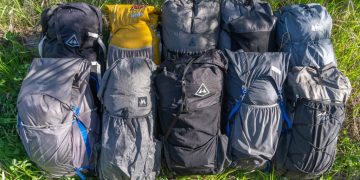
- GPS devices, portable water filters, and modern camping equipment supplement traditional skills.
- Young learners integrate technology without undermining the core survival principles of observation, resourcefulness, and adaptability.
- Modern bushcraft education balances historical techniques with contemporary safety and efficiency.
7. Educational and Community Platforms
7.1 Courses and Workshops
- Outdoor schools and survival training organizations offer structured bushcraft programs.
- Skills progression: beginner → intermediate → advanced, emphasizing safety and mastery.
7.2 Online Communities
- Social media groups, YouTube tutorials, and forums provide knowledge sharing, mentorship, and global connection.
7.3 Camps and Expeditions
- Youth-focused wilderness camps provide immersive experiences.
- Team-based activities foster collaboration, leadership, and confidence.
8. Bushcraft as a Response to “Uncertain Times”
8.1 Psychological Security Through Skill Mastery
- Acquiring survival skills mitigates the perceived unpredictability of modern life.
- The ability to thrive in challenging outdoor conditions strengthens confidence in handling urban and social uncertainties.
8.2 Practical Resilience
- Bushcraft fosters adaptability, teaching problem-solving under pressure.
- Exposure to controlled risk outdoors translates into better coping mechanisms in daily life.
8.3 Community and Social Cohesion
- Participating in bushcraft groups reduces isolation, creating a support network in uncertain times.
- Shared achievements—fire made, shelter built—strengthen social bonds and collective resilience.
9. Integrating Bushcraft Into Daily Life
- Weekend wilderness trips or urban bushcraft practice build skills incrementally.
- Micro-adventures (day hikes, local park foraging) maintain engagement without full expedition commitment.
- Reflection and journaling about outdoor experiences reinforce mental health benefits.
10. Challenges and Safety Considerations
- Physical Risks: Cuts, burns, hypothermia—mitigated with training and safety protocols.
- Psychological Overwhelm: Outdoor challenges can induce stress; incremental exposure recommended.
- Environmental Responsibility: Leave No Trace principles and sustainable harvesting practices.
- Misinformation: Verify plant identification, navigation techniques, and survival tips through trusted sources.
11. Case Studies and Success Stories
11.1 Individual Transformation
- Young people report reduced anxiety, improved focus, and greater confidence after structured bushcraft courses.
- Skill mastery correlates with increased resilience to daily stressors.
11.2 Community Impact
- Urban youth programs teaching bushcraft foster positive social interaction and environmental stewardship.
- Collaborative challenges and mentoring cultivate leadership and teamwork.
12. Future Trends
- Increasing integration of mental health therapy and bushcraft: “wilderness therapy” programs for anxiety and PTSD.
- Growth of digital learning tools: apps for plant identification, survival scenarios, and skill tracking.
- Recognition of bushcraft as a preventive and therapeutic activity for youth well-being.
Conclusion: Bushcraft as a Coping Mechanism for Youth Anxiety
In uncertain times, young people are increasingly drawn to bushcraft for its psychological, social, and practical benefits. The combination of hands-on survival skills, immersion in nature, and structured challenges addresses anxiety, builds resilience, and fosters self-efficacy.
Bushcraft is not merely a hobby—it is a tool for navigating life’s unpredictability, providing both tangible survival competence and intangible emotional grounding. By learning to read the environment, create shelter, source water, and secure food, youth rediscover control, confidence, and connection.
Ultimately, bushcraft equips young people with the skills to face uncertainty with calm, creativity, and resilience, preparing them for challenges both in the wilderness and in modern life. It is a testament to the enduring power of practical knowledge, nature immersion, and hands-on learning in shaping mental well-being for the next generation.