









Introduction: Patagonia’s Majestic Ice Fields and Rugged Peaks
Patagonia, a vast region that spans the southern tip of South America, is known for its dramatic landscapes, including its towering mountains, sprawling glaciers, and vast ice fields. Among the most breathtaking features of Patagonia are the Patagonian Ice Fields, which form one of the largest ice masses outside of the polar regions. This frozen wilderness, combined with the awe-inspiring peaks of the Southern Andes Mountains, offers one of the most unexplored and remote natural landscapes in the world.
This article will delve into the geographic, climatic, and ecological significance of the Patagonian Ice Fields and the towering mountains of the Southern Andes. It will also explore the opportunities for adventure and scientific research in this pristine environment, along with the challenges and efforts to protect this fragile region from the effects of climate change.
1. Geography and Formation of the Patagonian Ice Fields
1.1 The Patagonian Ice Fields: A Frozen Expanse
The Patagonian Ice Fields, or Southern Patagonian Ice Field (SPI), is the third-largest ice field in the world, after Antarctica and Greenland. Spanning 13,000 square kilometers (5,000 square miles), this vast expanse of ice lies primarily in Chile, although it also extends into Argentina. The ice field is part of the greater Southern Andes mountain range, feeding dozens of glaciers that flow toward the Pacific Ocean and the Argentine steppe.
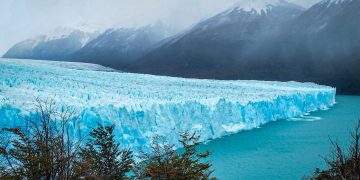
- Key Glaciers: Some of the most famous glaciers in Patagonia are fed by the Southern Patagonian Ice Field, including Perito Moreno, Viedma, and Grey Glacier.
- Elevation and Coverage: The ice field reaches altitudes of up to 3,000 meters (9,843 feet) above sea level in some areas, and its glaciers often descend to near sea level, creating dramatic landscapes.
1.2 The Formation of the Ice Fields
The Southern Patagonian Ice Field has been shaped over millions of years by complex climatic and geological processes:
- Ice Age: The ice fields began to form around 18 million years ago, during the Pleistocene epoch, when the Earth’s climate cooled and glaciers advanced across much of the southern hemisphere.
- Current Dynamics: Today, the ice fields are in a state of retreat, though some glaciers, like the Perito Moreno Glacier, are still relatively stable and even advancing in some areas. This retreat is primarily driven by rising global temperatures and changing precipitation patterns.
2. The Southern Andes Mountains: Patagonia’s Majestic Peaks
2.1 The Southern Andes: A Geological Wonderland
The Southern Andes form the spine of Patagonia, stretching along the Chile-Argentina border. These mountains, which include some of the highest peaks in South America, have been formed through a combination of tectonic activity and glaciation.
- Mount Fitz Roy (Cerro Chaltén): At 3,405 meters (11,171 feet), this iconic peak in Los Glaciares National Park is one of the most famous mountains in Patagonia. The dramatic granite spires of Fitz Roy rise sharply from the surrounding ice fields, making it a popular destination for mountaineers and trekkers.
- Cerro Torre: Another prominent peak in the Southern Andes, Cerro Torre is known for its challenging weather conditions and technical climbing routes. At 3,128 meters (10,262 feet), its summit is often enveloped in clouds, adding to its mystique.
2.2 Glacial Carving and Landscape Features
Glaciers in the Southern Andes have shaped much of Patagonia’s landscape:
- U-shaped Valleys: As glaciers moved down from the ice fields, they carved U-shaped valleys that are now filled with glacial lakes. These valleys, such as those around Lago Viedma and Lago Argentino, are iconic examples of glacial erosion.
- Hanging Valleys: These are valleys that are situated above the main valley, often ending in waterfalls or steep cliffs. They are remnants of glaciers that were once more extensive.

3. Ecosystems and Wildlife of the Patagonian Ice Fields and Mountains
3.1 Flora and Fauna of Patagonia
Despite the harsh climate, Patagonia is home to a surprising variety of ecosystems and species. The diverse landscape ranges from temperate rainforests near the Pacific coast to barren, windswept plateaus in the east.
- Flora: In the foothills of the Southern Andes, the forests are dominated by Nothofagus species (southern beech trees), while higher altitudes support mosses, lichens, and alpine flowers.
- Fauna: Patagonia is home to a range of endemic species, including:
- Guanacos: These camelids, closely related to the alpaca, are often seen grazing on the grasslands near glaciers.
- Andean Condor: One of the largest flying birds in the world, the Andean condor soars over the Patagonian peaks.
- Pumas: These elusive predators roam the lower slopes of the mountains and are known to be at the top of the food chain in Patagonia.
3.2 Ecological Significance and Conservation
The ecosystems in Patagonia, particularly around the Patagonian Ice Fields, are vital for global biodiversity. These areas act as important carbon sinks and play a crucial role in regulating the Earth’s climate. As such, they are under increasing threat from climate change, which is causing glaciers to shrink and habitats to alter.
- Conservation Efforts: Efforts to protect Patagonia have resulted in the establishment of several national parks, such as Los Glaciares National Park in Argentina and Torres del Paine National Park in Chile. These parks help protect the fragile ecosystems and provide opportunities for sustainable tourism.
4. Trekking and Adventure in the Patagonian Ice Fields and Mountains
4.1 Iconic Trekking Routes
The Patagonian Ice Fields and surrounding mountains offer some of the most challenging and rewarding treks in the world. These routes take trekkers through breathtaking landscapes, from glaciers to turquoise lakes to ancient forests.
- The W Trek (Torres del Paine National Park): One of the most famous treks in Patagonia, the W Trek takes hikers through iconic sites such as the Torres del Paine, the Grey Glacier, and Lake Nordenskjold.
- Laguna de los Tres (Mount Fitz Roy): This challenging trek in Los Glaciares National Park takes trekkers to the base of Mount Fitz Roy, offering stunning views of the glacier-fed lake below and the towering granite spires above.
- The Southern Patagonian Ice Field Expedition: For experienced mountaineers and explorers, an expedition into the heart of the Southern Patagonian Ice Field offers an unparalleled adventure. This remote and demanding journey requires technical climbing skills, glacier navigation, and survival tactics.
4.2 Adventure and Mountaineering
The rugged terrain and challenging weather conditions in Patagonia attract mountaineers and ice climbers from around the globe. The region is renowned for its technical climbing routes, especially around Mount Fitz Roy and Cerro Torre.
- Mountaineering Challenges: Patagonia’s mountains are notorious for their unpredictable weather, which can change rapidly, even in the summer. Climbers often face high winds, snowstorms, and freezing temperatures, making these peaks some of the most difficult to climb.
- Ice Climbing: The glaciers of Patagonia provide opportunities for ice climbing, a growing sport in the region. Climbers use technical gear to ascend frozen waterfalls and ice-covered rock faces, facing the unique challenges of glacial movement and high-altitude conditions.
5. Climate Change and Its Impact on Patagonia’s Ice Fields and Mountains
5.1 The Effects of Global Warming
Like many glacial regions around the world, the Patagonian Ice Fields are rapidly retreating due to global climate change. Research indicates that the glaciers in the Southern Andes have lost a significant amount of mass over the past few decades. This retreat is not only an environmental concern but also has profound implications for the region’s water resources, biodiversity, and tourism industry.
- Glacial Retreat: The Perito Moreno Glacier, one of Patagonia’s most famous glaciers, has shown signs of both retreat and advance, but other glaciers in the region are clearly shrinking, affecting the volume of water in local lakes and rivers.
- Sea-Level Rise: The melting of Patagonia’s glaciers contributes to rising sea levels, which could have global repercussions for coastal cities and ecosystems.
- Impact on Flora and Fauna: As glaciers retreat and temperatures rise, the habitats of Patagonia’s unique species are under threat, with potential loss of biodiversity.
5.2 The Need for Conservation and Action
Given the challenges posed by climate change, efforts to protect Patagonia have never been more urgent. The Patagonian Ice Fields and Southern Andes Mountains are critical to the health of the global environment, and their preservation is vital not just for Patagonia, but for the Earth as a whole.
- International Cooperation: Countries like Argentina and Chile, along with environmental organizations, are working together to preserve Patagonia’s natural heritage through the creation of protected areas and sustainable tourism practices.
- Climate Action: Reducing carbon emissions and supporting global initiatives to slow climate change are key to protecting the glaciers and ecosystems of Patagonia for future generations.
6. Conclusion: Patagonia’s Timeless Beauty and Urgent Future
The Patagonian Ice Fields and Southern Andes Mountains are among the most spectacular natural landscapes on Earth. Their frozen wildernesses, towering peaks, and diverse ecosystems represent not only the beauty of our planet but also its fragility. As climate change accelerates, these majestic landscapes face increasing threats that could irreversibly alter their delicate ecosystems and glacial systems.
Through continued research, conservation efforts, and sustainable tourism, we can work to preserve Patagonia’s awe-inspiring beauty for future generations, ensuring that this pristine wilderness remains a testament to the power of nature and the importance of environmental stewardship. Patagonia’s snowy peaks, glaciers, and wildlife will continue to inspire adventurers, scientists, and dreamers for many years to come—reminding us of the profound connection between humanity and the natural world.