









Introduction
In recent decades, wildlife tourism has emerged as one of the most popular sectors in global travel. However, as the demand for wildlife observation grows, there has been an increasing recognition of the need to preserve the very ecosystems and species that attract travelers. The rise of eco-friendly wildlife observation travel is a response to this challenge, seeking to balance sustainable tourism with the protection of biodiversity.
Eco-tourism, particularly in the realm of wildlife observation, involves visiting natural habitats in ways that are environmentally responsible, socially respectful, and economically beneficial to local communities. This article explores the philosophy behind eco-friendly wildlife travel, its benefits, challenges, and the best practices for creating ethical wildlife experiences that contribute to conservation and the well-being of indigenous populations.
1. Defining Eco-Friendly Wildlife Observation Travel
1.1 What is Eco-Friendly Wildlife Travel?
Eco-friendly wildlife observation travel focuses on visiting wildlife habitats with the aim of minimizing environmental impact while observing animals in their natural environments. The key features include:
- Minimizing disturbance to wildlife and their habitats.
- Supporting conservation initiatives that benefit both the species and the local communities.
- Educating travelers about biodiversity and the importance of protecting fragile ecosystems.
- Ensuring economic benefits to local populations through responsible tourism practices.
The philosophy behind eco-friendly wildlife observation travel is rooted in respect for nature, sustainability, and ethical responsibility. This involves careful planning, using low-impact vehicles or walking tours, and encouraging responsible behaviors such as keeping a respectful distance from wildlife.
1.2 The Rise of Ethical Wildlife Watching
In the past, many wildlife tourism ventures were designed to give visitors close-up encounters with exotic species, often prioritizing entertainment over the well-being of animals and ecosystem health. However, as awareness grew about the negative effects of habitat disruption, poaching, and animal exploitation, a shift occurred towards ethical wildlife watching.
Ethical wildlife watching aims to ensure that tourists experience animals in their natural environment while respecting the species’ natural behavior and promoting conservation. For example, safari tours in Africa, whale watching in the Pacific, or birdwatching in the rainforests of South America now emphasize low-impact practices and community engagement.
2. The Importance of Conservation in Wildlife Observation
2.1 Biodiversity Conservation
Wildlife observation tourism can play a significant role in biodiversity conservation by generating funding for protected areas and conservation projects. Many ecosystems, such as the Amazon rainforest, Africa’s savannas, and the Arctic tundra, are facing unprecedented levels of degradation due to deforestation, poaching, and climate change. Sustainable tourism can help:
- Generate revenue for wildlife protection efforts and conservation organizations.
- Promote awareness about endangered species and habitats.
- Provide incentives for local communities to protect wildlife and create sustainable livelihoods.
2.2 Financial Support for Local Communities
A well-managed eco-friendly wildlife tourism project can create jobs for local populations and provide a source of income that encourages people to engage in conservation rather than destructive practices like hunting or deforestation. This model of eco-tourism works by:
- Employing locals as guides, rangers, and conservationists.
- Supporting local businesses such as lodging, transportation, and food services.
- Ensuring that a portion of the revenue goes directly to community-based conservation projects.
These economic incentives align the interests of both the local community and the conservation efforts, creating a sustainable tourism model that benefits all parties involved.
2.3 Reducing Habitat Disturbance
Wildlife observation tours that emphasize low-impact travel help minimize the risks of habitat degradation, including trampling of sensitive vegetation, disturbance of nesting sites, and stress to wildlife. Common practices that promote habitat conservation include:
- Controlled visitor numbers: Limiting the number of tourists in a specific area at any given time to reduce overcrowding and disturbance.
- Strict ethical guidelines: Enforcing rules on keeping a safe distance from animals and refraining from actions that could lead to habituation or stress.
- Sustainable transport: Using electric vehicles, bicycles, or walking tours to minimize carbon emissions and avoid disturbing the natural soundscape.
3. The Ethics of Wildlife Watching
3.1 The Dangers of Exploitative Practices
Traditional wildlife tourism often involved practices that exploited animals for the entertainment of tourists. These practices included:
- Captivity of animals for shows or interactive experiences.
- Feeding or baiting animals to encourage certain behaviors or close-up encounters.
- Habituation of animals to human presence, which can cause behavioral changes that make them more vulnerable to poaching or human-wildlife conflicts.
By emphasizing ethical guidelines and ensuring that wildlife is observed in their natural habitats without human interference, eco-friendly wildlife tourism actively counters these exploitative practices.
3.2 The Role of Animal Welfare
Animal welfare is a cornerstone of eco-friendly wildlife tourism. Observing wildlife should never come at the expense of an animal’s well-being or natural behavior. Ethical wildlife watching encourages the following practices:
- No feeding or touching: Ensuring animals do not become dependent on human interaction for food.
- Respecting natural behaviors: Observing animals without influencing their natural patterns of migration, feeding, or breeding.
- Avoiding predatory tourism: Focusing on non-invasive experiences that do not disrupt animals’ lives for the sake of a photo op.
The aim is to provide humane, non-disruptive experiences that allow tourists to engage with animals while respecting their dignity and autonomy.
4. Best Practices for Eco-Friendly Wildlife Observation
4.1 Choose Certified Eco-Tourism Operators
One of the best ways to ensure that your wildlife observation experience aligns with ethical and environmental standards is by choosing operators certified by recognized eco-tourism organizations. These certifications typically ensure that the operator adheres to guidelines that:
- Support sustainable practices: Operators use methods that minimize environmental impact and promote wildlife conservation.
- Educate travelers: Tours include an educational component that teaches tourists about the importance of preserving wildlife and ecosystems.
- Promote community involvement: Operators invest in the well-being of local communities and encourage responsible wildlife interactions.
Examples of such certifications include the Global Sustainable Tourism Council (GSTC) and the Ecotourism Society.
4.2 Observe and Learn, Not Interfere
The primary rule of eco-friendly wildlife observation is to observe, not interfere. Tourists should:
- Maintain a respectful distance from wildlife and avoid disturbing their natural behaviors.
- Refrain from chasing or startling animals for the sake of getting a better view or photograph.
- Use binoculars or telephoto lenses instead of approaching animals too closely.
- Respect local wildlife laws and guidelines established by conservation organizations and protected areas.
4.3 Support Conservation Efforts
While observing wildlife, tourists should also consider supporting conservation initiatives. This can be done in several ways:
- Donating to local wildlife conservation efforts, wildlife sanctuaries, or protected areas.
- Volunteering with local conservation projects or becoming ambassadors for wildlife protection.
- Choosing eco-friendly accommodations and tour operators that invest in sustainability.
Contributing to conservation while traveling helps ensure that the beauty of wildlife will be preserved for future generations.
5. Popular Eco-Friendly Wildlife Destinations
5.1 Africa: Safari Tours with a Conservation Focus
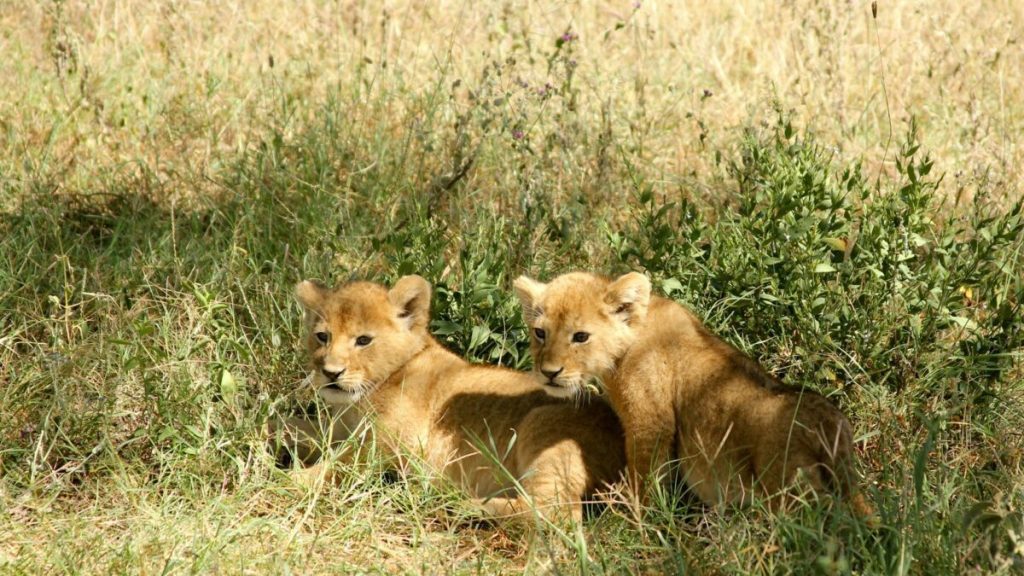
Countries like Kenya, Tanzania, and Botswana are home to iconic wildlife such as elephants, lions, and rhinos. Sustainable safari tours in these areas help:
- Preserve vast national parks such as the Serengeti and Masai Mara.
- Support anti-poaching initiatives and local conservation projects.
- Ensure that tourism revenue directly benefits local tribes and wildlife rangers.
5.2 South America: Amazon Rainforest and Andean Wildlife
The Amazon Rainforest and surrounding regions of South America offer rich biodiversity, including jaguars, macaws, and poison dart frogs. Eco-tourism in these regions contributes to:
- Preserving one of the world’s most biodiverse ecosystems.
- Protecting indigenous tribes and their traditional lifestyles.
- Supporting conservation efforts that combat deforestation and illegal logging.
5.3 North America: The Canadian Rockies and Alaskan Wilderness
In the Canadian Rockies and Alaska, eco-tourism has grown alongside initiatives to protect species such as grizzly bears, wolves, and bald eagles. Responsible wildlife observation in these areas focuses on:
- Minimizing human impact in pristine environments.
- Collaborating with indigenous communities to promote wildlife conservation.
- Supporting the rehabilitation of endangered species through funding and education.
6. Challenges and Future Directions
6.1 The Growing Demand for Eco-Tourism
As eco-tourism continues to grow, there are challenges associated with ensuring that increased demand doesn’t lead to over-tourism. There is a need for:
- Regulation to manage the number of tourists in sensitive areas.
- Continued education for both travelers and operators on best practices for sustainable tourism.
- Innovative solutions such as virtual wildlife tours or remote observation to reduce human impact.
6.2 Collaboration with Local Communities
The success of eco-friendly wildlife travel depends on collaboration between tour operators, conservationists, and local communities. Ensuring that all stakeholders benefit from wildlife tourism is critical for its long-term success.
Conclusion
Eco-friendly wildlife observation travel provides a unique opportunity to experience nature while contributing to biodiversity conservation. By adopting ethical principles, supporting local communities, and engaging in low-impact tourism, travelers can have a positive impact on the environment and the species they observe. As demand for sustainable tourism continues to rise, it is crucial that both tourists and operators continue to prioritize responsible practices that ensure the preservation of our planet’s natural wonders for future generations.