









Introduction
In the world of outdoor exploration, the combination of hiking, camping, and kayaking presents a unique and exciting opportunity to experience nature from multiple perspectives. Whether it’s paddling along serene rivers, hiking rugged mountain trails, or camping under the stars, these activities offer diverse ways to connect with the wilderness. Combining these three elements into a multi-sport adventure creates an unparalleled experience that challenges your physical stamina, tests your navigational skills, and rewards you with moments of breathtaking natural beauty.
This article explores the synergy between hiking, camping, and kayaking as a combined outdoor route, providing insights into the logistics, preparation, safety considerations, and benefits of this adventure style. From planning multi-sport routes to the specific gear required, the combination of these activities offers a unique and immersive way to explore remote landscapes. Whether you’re an experienced adventurer or a novice looking for your next challenge, a hiking-camping-kayaking route promises an unforgettable journey through nature’s most awe-inspiring environments.
1. The Allure of a Multi-Sport Adventure
1.1 A Holistic Connection with Nature
Unlike traditional hiking or kayaking, combining these activities allows adventurers to experience a more holistic connection with their environment. Each discipline provides a different perspective of the landscape, enabling you to:
- Hike through forested trails, alpine meadows, and rugged mountains to explore terrestrial ecosystems.
- Camp in wild areas, experiencing solitude and tranquility away from civilization, immersing yourself fully in the elements.
- Kayak across rivers, lakes, or coastal waters, witnessing untouched wilderness from a vantage point few other activities can offer.
This blend of activities provides diverse challenges and rewards, connecting you with both land and water in a way that few other outdoor pursuits can.
1.2 The Benefits of Combining Hiking, Camping, and Kayaking
Each component of this multi-sport journey offers distinct advantages:
- Hiking: Builds physical endurance and strength, enhances mental focus, and provides direct access to remote, hard-to-reach locations.
- Camping: Cultivates self-reliance and a deep sense of connection to nature, offering a chance to unplug from the stresses of modern life.
- Kayaking: Provides an exhilarating way to explore water-based landscapes, offering an added element of adventure and challenge through navigation and water skills.
By combining these activities, you also get to maximize the variety of your outdoor experiences, while engaging in a full-body workout that strengthens different muscle groups.
2. Planning Your Multi-Sport Route
2.1 Choosing the Right Location
Selecting the right location for your multi-sport adventure is key to ensuring an enjoyable experience. A successful hiking, camping, and kayaking route should ideally include varied terrain, access to water bodies, and ample wilderness camping spots.
- Rivers and Lakes: Look for routes that include both hiking paths and water access. Some destinations offer trailheads that lead directly to lakes or rivers, enabling a smooth transition from land to water activities.
- Coastal and Island Routes: Coastal areas or island hopping routes are ideal for those who enjoy kayaking along stunning shorelines while hiking through lush forests or cliffs.
- National Parks and Remote Wilderness Areas: Many national parks, especially those located near mountainous or water-based environments, offer multi-sport routes with a combination of hiking and paddling opportunities.
Famous multi-sport routes around the world include:
- The Boundary Waters Canoe Area Wilderness (BWCAW) in Minnesota, USA, where you can combine canoeing and hiking across a vast network of lakes and rugged trails.
- The Abel Tasman Coast Track in New Zealand, which offers a mix of coastal kayaking and hiking through beautiful coastal terrain.
- The Wilderness Waterway in Florida’s Everglades, where kayaking and hiking can be combined in one of the most diverse ecosystems on the planet.
2.2 Timing and Weather Considerations
Timing your trip is crucial for maximizing safety and enjoyment:
- Weather: Check the weather forecast to ensure the ideal conditions for all three activities. For example, kayaking is best done during calm, clear weather, while hiking is easier when it’s dry and not too hot.
- Seasonality: The seasons can greatly affect the accessibility of certain routes. Spring and summer offer better conditions for kayaking and hiking in many regions, though they might come with more crowded trails. Early fall can be a good time for reduced crowds and cooler hiking temperatures.
2.3 Skill Requirements
Each of the three activities requires different skill sets:
- Hiking: Basic hiking skills such as route navigation, packing light, and understanding trail markers are essential. Depending on the difficulty of the terrain, advanced hiking skills like mountain navigation or cross-country routes may also be necessary.
- Camping: Being able to set up camp in diverse environments and deal with elements like rain, wind, or cold is crucial. Knowing how to cook with limited resources and managing waste is also part of the experience.
- Kayaking: Basic kayaking knowledge is essential, including paddling techniques, how to properly enter and exit a kayak, and essential water safety measures like self-rescue.
If you are not experienced in any of these activities, it is a good idea to take lessons or go on guided trips to learn the necessary skills before attempting a multi-sport adventure.
3. The Essential Gear for Hiking, Camping, and Kayaking
3.1 Hiking Gear
To ensure a successful hiking experience, select lightweight and high-quality gear that fits your adventure:
- Backpack: A hiking backpack (around 40-60L) that’s lightweight yet spacious enough to carry your gear.
- Footwear: Invest in comfortable hiking boots or shoes with good grip and ankle support.
- Clothing: Wear moisture-wicking and quick-drying clothing in layers to regulate temperature and manage sweat.
- Navigation Tools: Carry a map or GPS device and a compass for orientation in remote areas.
3.2 Camping Gear
For a multi-sport adventure, you need camping gear that is both lightweight and compact:
- Tent: Choose a lightweight tent that is weather-resistant, with enough space to accommodate your gear and possibly a kayak.
- Sleeping Bag: A compact, insulated sleeping bag is essential for staying warm at night.
- Cooking Equipment: Bring a small camp stove or portable grill, along with lightweight cooking gear and enough food for the entire trip.
- Water Purification: Always carry a water filter or purification tablets for safe drinking water from natural sources.
3.3 Kayaking Gear
Since kayaking combines a water-based activity with land-based adventuring, the gear required must be lightweight, portable, and able to withstand various water conditions:
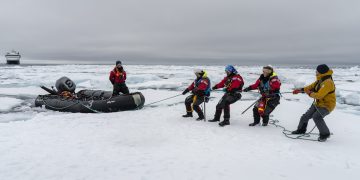
- Kayak: A compact, lightweight kayak such as a sit-on-top or inflatable kayak is ideal for multi-sport trips due to its portability and ease of use.
- Paddle: A lightweight paddle that’s appropriate for the type of water you’ll be paddling in.
- Life Jacket: A personal flotation device (PFD) is essential for safety.
- Dry Bags: Protect your belongings (especially electronics and clothing) with waterproof dry bags to keep them safe and dry.
- Kayaking Footwear: Lightweight and water-resistant footwear for getting in and out of the kayak.
4. Safety and Risk Management
Safety is a priority when combining hiking, camping, and kayaking, especially when venturing into remote or unfamiliar regions.
4.1 Understanding Water Safety
- Know your limits: Always kayak in water that matches your skill level and ability.
- Weather conditions: Monitor weather forecasts and avoid kayaking in strong currents, rough seas, or thunderstorms.
- Buddy system: If possible, kayak with a partner who can assist in case of emergencies.
4.2 Hiking Safety
- Know the trail: Make sure you understand the route and its difficulty level before setting out.
- First-aid kit: Always carry a basic first-aid kit with you, including essentials like bandages, antiseptic wipes, and blister prevention.
- Emergency signaling: Carry a whistle, mirror, or flare to signal for help if needed.
4.3 Camping Considerations
- Wildlife safety: Be mindful of bears or other wildlife, especially when camping in remote areas. Use bear-proof containers for food storage and maintain a clean camp.
- Fire safety: Follow fire regulations and ensure that your campfire is fully extinguished before leaving.
5. The Ultimate Experience: Combining Hiking, Camping, and Kayaking
The combination of hiking, camping, and kayaking presents a truly multi-dimensional adventure. It’s about pushing physical limits, testing endurance, and experiencing nature in ways that few other activities can offer.
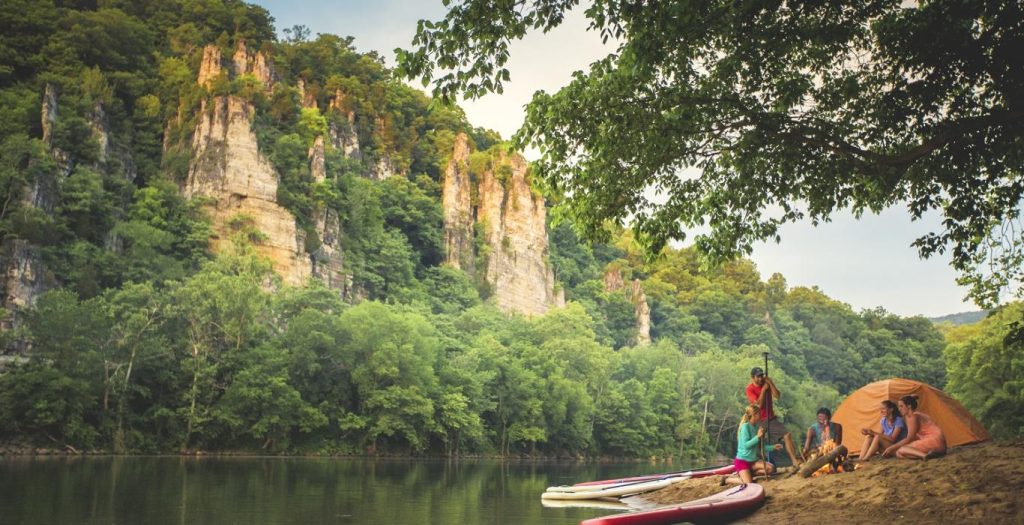
Imagine kayaking through glacial rivers, followed by a hike into a remote mountainous campsite where you set up your tent for the night. Or paddling along coastal cliffs, exploring isolated beaches before hiking inland to your next overnight camp. With each activity offering something distinct, this combination provides the ultimate form of adventure, pushing you to explore new terrains and enjoy the natural beauty from every angle.
Conclusion
Embarking on a hiking, camping, and kayaking adventure is a chance to truly immerse yourself in the wilderness while developing a wide range of outdoor skills. By embracing all three activities, you’ll not only experience the physical challenge of each, but you’ll also enjoy a deeper connection with nature that can only come from facing the elements and the world’s most stunning environments.
With the right planning, preparation, and mindset, this combination of activities will provide memories that will last a lifetime and a sense of accomplishment few other adventures can match.