









Introduction
In an era dominated by consumerism and an overwhelming array of specialized equipment for every conceivable outdoor need, the concept of minimalist trekking has emerged as a radical, yet refreshing alternative. Minimalist trekking, often referred to as ultralight backpacking or minimalist hiking, challenges adventurers to strip away the non-essential, focusing only on the bare necessities. This form of trekking embraces the idea that less is more—emphasizing the simplicity, efficiency, and self-sufficiency required to enjoy the outdoors with minimal gear.
The minimalist trek is about more than just reducing weight; it’s about redefining the very essence of backpacking and hiking. With a focus on lightweight gear, efficient packing, and purposeful choices, minimalist trekkers push their limits, testing both their physical endurance and their mental fortitude. Whether trekking through dense forests, scaling mountain ranges, or navigating rugged wilderness trails, minimalist trekkers carry less and experience more, enabling a deeper connection with nature.
In this article, we will explore the core principles of minimalist trekking, the evolution of the minimalist mindset, the necessary gear, the challenges and benefits of minimalist hiking, and how to plan and execute a minimalist trek successfully. We’ll also delve into the broader implications of minimalist trekking on both the individual and the outdoor industry as a whole.
1. The Philosophy Behind Minimalist Trekking
1.1 The Core Principles of Minimalism
At the heart of minimalist trekking lies a set of core principles that guide the approach to hiking and backpacking. These principles are rooted in the belief that adventurers do not need to carry an excessive amount of gear to enjoy the wilderness or achieve personal goals. The following are the guiding principles of minimalist trekking:
- Simplicity: Minimalist trekking involves focusing on the essentials. It is about removing excess gear and activities that do not contribute to the purpose of the trek—whether that be exploration, survival, or simply enjoying the outdoors.
- Efficiency: Every item in a minimalist trekker’s pack serves a purpose. Gear is chosen based on its multifunctionality, weight, and performance. The goal is to streamline the trekking experience while maintaining safety and comfort.
- Self-Sufficiency: Minimalism in trekking fosters a sense of independence. By carrying only what is necessary, trekkers rely more on their skills, knowledge, and adaptability than on material possessions. This approach fosters both mental and physical resilience.
- Connection to Nature: Minimalism enhances the outdoor experience by reducing distractions. Without the burden of heavy equipment or complex logistics, trekkers can fully immerse themselves in the natural world, cultivating a stronger connection with the environment.
1.2 The Evolution of Minimalist Trekking
Minimalist trekking didn’t emerge overnight; it is the result of an evolving shift in the outdoor community, which began in the late 20th century. Historically, backpacking and hiking were centered around comfort, with heavy packs filled with sleeping bags, tents, camp stoves, cooking gear, and more. Over time, however, backpackers began to realize that less weight equaled more mobility, flexibility, and enjoyment.
The minimalist movement was sparked by a variety of factors:
- Technological advancements: Lighter, stronger materials such as Dyneema, Titanium, and Gore-Tex led to the creation of more compact and durable gear. As these materials became more affordable and accessible, hikers began to experiment with lighter gear choices.
- Environmental awareness: The growing environmental consciousness of the 21st century encouraged adventurers to reduce their impact on the environment. By carrying less gear, trekkers reduced waste, carbon footprint, and reliance on disposable products.
- Cultural shifts: As outdoor enthusiasts increasingly sought more immersive experiences in nature, many began to focus on the simplicity of hiking rather than the accumulation of gear. The minimalist philosophy resonated with those looking to get away from the complexity of modern life and reconnect with the natural world.
2. The Essential Gear for Minimalist Trekking
2.1 Backpack: Choosing the Right Pack for the Job
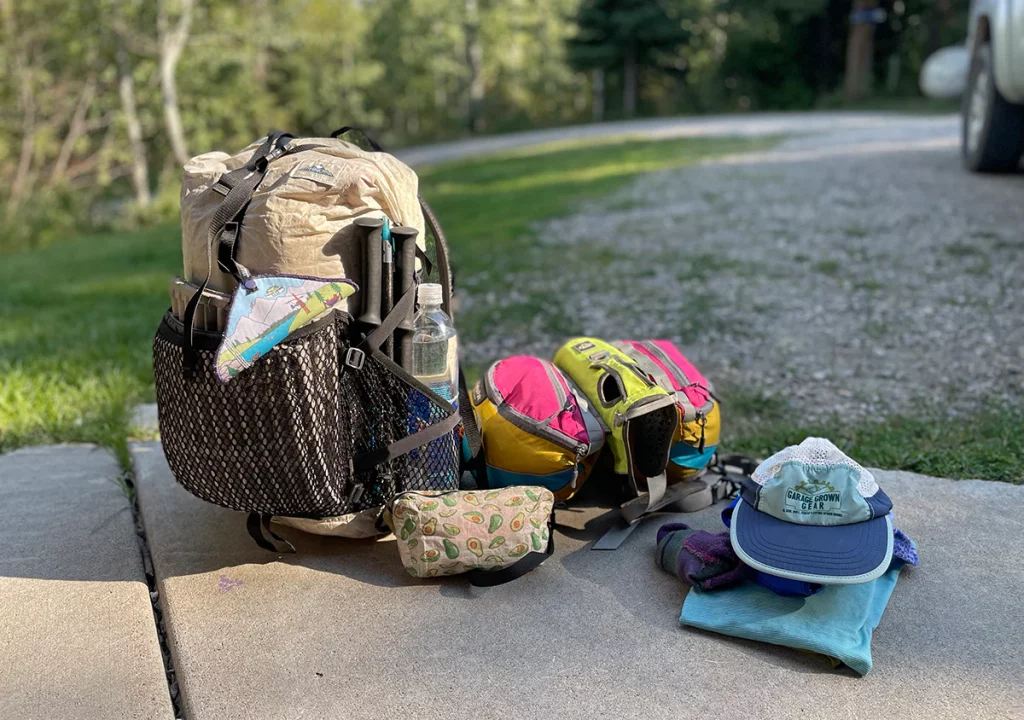
One of the first considerations in minimalist trekking is choosing a backpack that can carry everything you need while minimizing weight. Unlike traditional hiking packs, which may feature multiple compartments, heavy frames, and numerous pockets, minimalist backpacks are typically simple, lightweight, and streamlined. Some key factors to consider when selecting a minimalist backpack include:
- Capacity: A minimalist pack is typically designed to carry between 40-60 liters, enough to fit essential gear but not so large as to encourage overpacking.
- Weight: The weight of the pack itself should be as low as possible. Modern ultralight packs weigh as little as 1-2 pounds, ensuring that the majority of your weight is made up of gear rather than the pack itself.
- Durability: While lightness is important, durability should not be sacrificed. High-strength fabrics like Dyneema or silnylon are often used for minimalist packs to ensure they can withstand the rigors of outdoor adventure.
2.2 Shelter: Sleeping Systems for Minimalists
A key component of minimalist trekking is the sleeping system—which includes shelter, sleeping bag, and pad. Minimalist trekkers often opt for lightweight tents, bivy sacks, or tarps, depending on the terrain and weather conditions.
- Tents: Minimalist tents are designed to be compact, lightweight, and easy to set up. Single-wall tents and ultralight tents weigh as little as 1-2 pounds and offer enough protection from the elements without the bulk of traditional tents.
- Bivy Sacks: For even lighter setups, some trekkers use bivy sacks—a form of sleeping bag cover that offers minimal shelter. Bivy sacks are ideal for dry climates and low-rain environments but may not provide sufficient protection in harsh weather conditions.
- Tarps: Tarps are an excellent choice for those who prefer the lightest possible shelter. A 10×10-foot tarp can be set up to provide coverage in many environments and can be adapted to different setups, such as a lean-to or A-frame shelter.
- Sleeping Bags and Pads: A minimalist sleeping bag should be lightweight, yet insulating. Modern down-filled sleeping bags offer warmth without bulk, while foam or inflatable sleeping pads provide essential comfort and insulation from the cold ground.
2.3 Clothing: Layering for Maximum Efficiency
Minimalist trekkers focus on layering rather than packing multiple garments for every possible situation. By choosing versatile and high-performance clothing, trekkers can stay comfortable in a variety of conditions without overpacking.
- Base Layers: Breathable, moisture-wicking base layers made of merino wool or synthetic fabrics are essential for regulating body temperature and staying dry.
- Mid Layers: A lightweight fleece or insulated jacket serves as a versatile mid-layer, providing warmth when needed without being overly bulky.
- Outer Layers: A windproof and waterproof jacket (such as a Gore-Tex shell) is critical for protection against the elements. A minimalist jacket should be lightweight, compact, and capable of withstanding adverse weather conditions.
- Footwear: For minimalist trekking, boots should be lightweight but offer good support and traction. Some trekkers even opt for trail running shoes or approach shoes for lighter, more flexible footwear options.
2.4 Cooking Gear: Simple, Efficient, and Lightweight
The minimalist approach to cooking gear revolves around using compact, multi-functional tools. Rather than carrying a large stove, pots, and utensils, minimalist trekkers prefer lightweight stoves, cookware, and eating utensils that serve multiple purposes.
- Stoves: The Jetboil and MSR PocketRocket are popular choices for ultralight cooking, as they boil water quickly and require minimal fuel.
- Cookware: Lightweight Titanium pots or aluminum cook sets are commonly used, as they heat quickly and pack efficiently.
- Utensils: A simple spork or multi-tool is usually sufficient for eating and food preparation.
3. The Challenges of Minimalist Trekking
3.1 Physical and Mental Demands
Minimalist trekking is not for the faint of heart. By reducing the amount of gear you carry, you place more demands on your physical fitness and mental resilience.
- Physical Strain: Carrying less gear may make trekking easier in some respects, but it also requires trekkers to rely more heavily on their physical capabilities, especially in rough or remote terrain.
- Mental Toughness: Minimalist trekking can be mentally demanding, as it forces trekkers to embrace discomfort and uncertainty. The lack of luxury items such as extra clothes, food, or creature comforts can lead to moments of doubt, but overcoming these moments often leads to a deeper sense of achievement and connection to the natural world.
3.2 Risk Management and Safety Concerns
When trekking with minimalist gear, safety must remain a priority. While carrying less gear may reduce weight, it also means that trekkers need to be more adept at risk management, particularly when it comes to navigation, first aid, and weather.
- Navigation: A minimalist trekker must be proficient in map reading, compass use, and backcountry navigation as GPS devices and other high-tech tools may be left behind.
- First Aid: While minimalist trekkers usually carry a compact first-aid kit, it’s crucial to be knowledgeable about basic wilderness medicine and injury prevention.
4. The Benefits of Minimalist Trekking
Despite the challenges, minimalist trekking offers numerous benefits for those willing to embrace it:
- Freedom and Flexibility: With less gear, trekkers are more mobile, able to change course or extend their journey with greater ease.
- Cost-Effectiveness: Minimalist trekking encourages simplicity in gear choices, which can reduce overall costs.
- Environmental Impact: Carrying less gear means less energy spent on transportation and fewer resources used in manufacturing. By adopting minimalist practices, trekkers reduce their ecological footprint.
- Personal Growth: Minimalist trekking encourages self-sufficiency and personal resilience. The challenges faced along the way lead to personal growth, increased confidence, and a deeper appreciation for nature.
Conclusion
Minimalist trekking is more than just an approach to backpacking; it’s a philosophy that encourages adventurers to rethink their relationship with nature and material possessions. By reducing the weight of their gear and focusing on the essentials, trekkers embrace the freedom and simplicity of outdoor exploration, fostering a deeper connection to the wilderness.
For those seeking a challenging, rewarding, and environmentally-conscious way to experience the outdoors, minimalist trekking offers an exciting opportunity to push personal boundaries, enhance outdoor skills, and cultivate a sense of true adventure. In the end, it’s not about what you carry; it’s about how much you can experience with less.