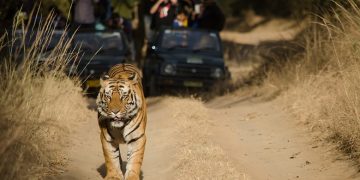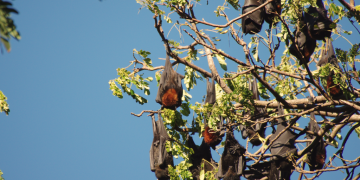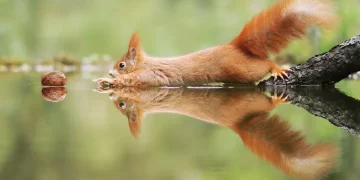










Wildlife photography has long been a captivating genre for both professional photographers and nature enthusiasts alike. The challenge of capturing animals in their natural habitats, often under challenging conditions, creates stunning images that reveal the beauty and complexity of the animal kingdom. Close-up wildlife photography, however, takes this challenge to an entirely new level. Capturing intimate, detailed shots of animals, often at extremely close distances, allows photographers to showcase the raw essence of wildlife, providing insight into their behavior, emotions, and intricate physical features.
This article explores the art of wildlife close-up photography, including the techniques and tools required to capture breathtaking images, the ethical considerations, and the importance of these photographs in conservation efforts. Whether you are an aspiring wildlife photographer or simply an admirer of nature’s beauty, this article will provide a comprehensive guide to understanding and appreciating the skill and dedication involved in capturing wildlife up close.
1. Introduction: The Allure of Wildlife Close-Up Photography
Wildlife photography is often considered one of the most challenging and rewarding forms of photography. While landscapes and portraits have their own appeal, capturing the essence of wild animals in their natural environment is an entirely different experience. The unpredictable nature of animals and the environment adds a layer of complexity and excitement to the pursuit.
Close-up wildlife photography, in particular, focuses on capturing intimate moments that allow the viewer to appreciate the subtle details of an animal’s appearance, expressions, and behaviors. Whether it’s the intricate patterns of a butterfly’s wings, the intensity of a predator’s gaze, or the tenderness of a mother’s embrace with her cub, close-up wildlife shots help bring nature to life in a way that few other forms of photography can achieve.
2. The Appeal of Close-Up Wildlife Photography
The appeal of close-up wildlife photography is multifaceted. From the emotional connection that viewers form with animals to the technical prowess required to capture such intricate shots, close-up wildlife photography is a powerful tool that fosters a deeper understanding and appreciation of nature.
2.1 Emotional Connection with Animals
One of the most compelling aspects of wildlife close-up photography is the emotional connection it can create between the subject and the viewer. When we see animals up close, their expressions, body language, and behaviors become more relatable, allowing us to connect with them on a more personal level. The eyes of an animal, in particular, have been described as windows to their soul, and a close-up shot that focuses on the eyes can convey an incredible amount of emotion, from curiosity to fear to compassion.
2.2 Revealing the Beauty of Nature
Close-up wildlife photography also enables photographers to reveal the hidden beauty of nature that might otherwise go unnoticed. From the texture of an animal’s fur to the delicate features of a bird’s beak, close-up shots capture details that are often invisible to the naked eye. These photographs highlight the intricacy and perfection of nature, showcasing the wonders of the animal world in all their complexity.
2.3 Showcasing Animal Behavior
Close-up photography allows photographers to document rare or elusive behaviors that are difficult to observe in the wild. Moments such as a lioness nursing her cubs, a bird in mid-flight, or a snake hunting its prey are often fleeting and difficult to capture. Close-up shots, however, provide a unique opportunity to freeze these moments in time, offering a deeper insight into the daily lives and survival strategies of wild animals.
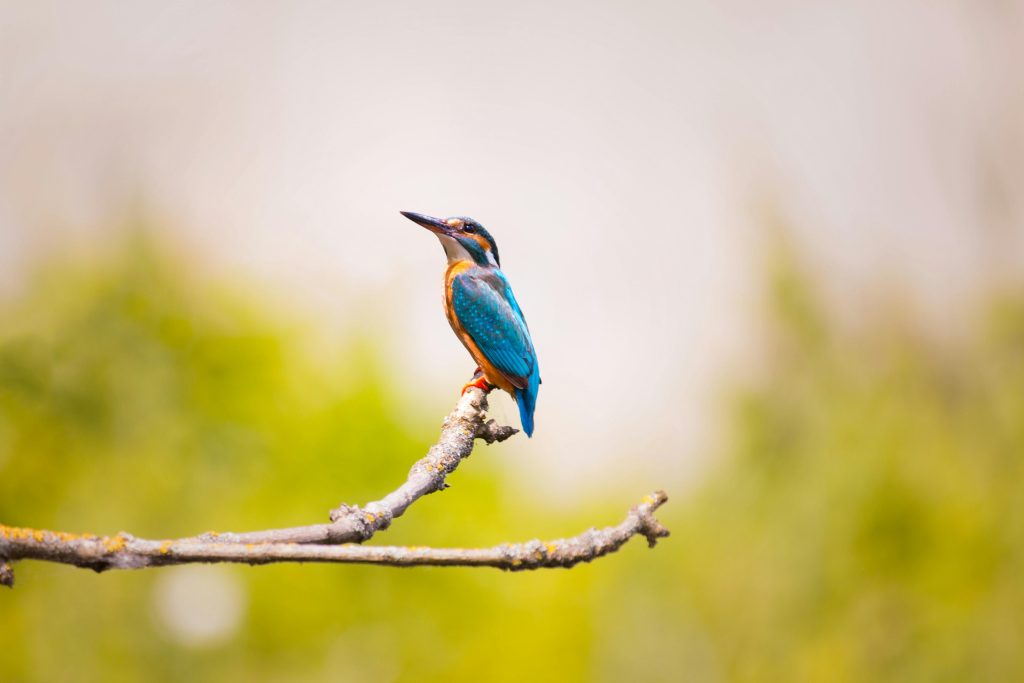
3. Techniques and Tools for Successful Wildlife Close-Up Photography
Capturing stunning close-up images of wild animals requires more than just technical know-how. It involves an understanding of the animal’s behavior, patience, and the right gear. Below are the essential elements needed for successful wildlife close-up photography.
3.1 Equipment: The Right Gear for the Job
The choice of equipment plays a crucial role in wildlife close-up photography. The goal is to capture detailed, high-resolution images of animals without causing harm or disruption to their environment. Some of the most important tools include:
- Telephoto Lenses: A telephoto lens (generally in the range of 200mm to 600mm) is essential for close-up wildlife photography, as it allows photographers to capture animals from a distance without getting too close and disturbing them. Telephoto lenses also help compress the perspective, creating a sense of intimacy while keeping the subject sharply in focus.
- Macro Lenses: For capturing extremely close-up details of smaller animals or insects, macro lenses are ideal. These lenses allow photographers to get extremely close to the subject, capturing intricate details such as the texture of skin, feathers, or the patterns of scales.
- Fast Shutter Speed: Wildlife is unpredictable, and animals rarely stay still. To freeze fast-moving subjects, a fast shutter speed (typically 1/1000s or faster) is necessary. This will ensure sharp, motion-free images of animals in action.
- Tripod or Monopod: A tripod or monopod can stabilize the camera, ensuring that images remain sharp, especially when using long lenses. It also allows photographers to compose shots with precision, which is particularly useful in low-light conditions or when capturing movement.
3.2 Understanding Animal Behavior and Timing
While the technical aspects of photography are crucial, understanding the behavior of the animal you’re photographing is just as important. To capture the perfect moment, you need to be aware of the animal’s habits, patterns, and movements. This means spending time observing the animal and getting familiar with its natural environment. Some tips include:
- Patience and Observation: Patience is key in wildlife photography. Animals may take time to approach, and the perfect shot may only last a few seconds. Understanding their body language and behavior allows photographers to anticipate moments before they occur.
- Respecting Boundaries: While the desire to capture the perfect shot can be strong, it is essential to respect wildlife and not intrude on their space. Keeping a safe distance helps ensure that animals are not stressed or harmed during the shoot.
- Anticipating Moments: For dynamic shots, such as animals in motion or during social interactions, photographers need to anticipate key moments. Whether it’s a predator about to strike or a bird about to take flight, timing is crucial in wildlife photography.
3.3 Lighting and Composition
Lighting is another important factor in close-up wildlife photography. Natural light is often the best choice for capturing the true colors and textures of an animal’s features. However, it can be challenging to get the right lighting conditions in the wild. Photographers may need to adapt to changing lighting conditions by using techniques such as:
- Golden Hours: The best times for wildlife photography are often during the golden hours—early morning or late afternoon—when the light is soft and warm.
- Backlighting and Silhouettes: Backlighting can create dramatic silhouettes of animals, highlighting their shape and form.
- Reflectors or Diffusers: In some cases, a reflector or diffuser can be used to soften harsh sunlight or fill in shadows, especially when photographing small animals or insects.
3.4 Focus on Detail
When photographing animals up close, it’s important to focus on the details that reveal the true nature of the subject. Whether it’s the fine texture of fur, the patterns on the skin, or the reflection in the eyes, these details can turn an ordinary photograph into something extraordinary. Some tips for capturing intricate details include:
- Shallow Depth of Field: Using a wide aperture (low f-stop number) will create a shallow depth of field, which helps isolate the subject and create a pleasing bokeh effect. This technique is particularly effective when capturing animals against a cluttered or distracting background.
- Close Focusing Distance: A macro lens or a telephoto lens with a short focusing distance can help photographers get incredibly close to the subject without disturbing it.
4. Ethical Considerations in Wildlife Photography
As close-up wildlife photography often involves capturing animals in their natural habitats, it is important to consider the ethical implications of the practice. Respecting wildlife and ensuring that the animals are not disturbed during the photo shoot should always be a top priority. Some ethical guidelines include:
- Minimizing Human Impact: Always avoid disturbing the animal, its habitat, or its behavior. This includes refraining from using bait to attract animals or getting too close to nesting birds.
- Respecting Wildlife Laws: Many countries have strict laws in place regarding the treatment of wildlife, particularly endangered species. Be sure to follow all local regulations and guidelines when photographing animals.
- Conservation Awareness: Wildlife photographers play a crucial role in raising awareness about conservation issues. Through their work, they can help inspire others to protect endangered species and preserve natural habitats. Photographers should use their platform responsibly to advocate for the protection of wildlife.
5. Conclusion: The Power of Close-Up Wildlife Photography
Wildlife close-up photography is more than just a technical pursuit; it’s a way to connect with nature, to observe the beauty and complexity of the animal kingdom, and to raise awareness about the importance of conservation. By capturing intimate, detailed images of wild animals, photographers can tell stories, evoke emotions, and create a deeper appreciation for the natural world.
As technology continues to advance, and as photographers hone their craft, the future of wildlife close-up photography looks brighter than ever. These images not only offer a glimpse into the world of animals but also serve as a powerful reminder of our responsibility to protect and preserve the planet’s incredible biodiversity.