









Introduction: The Allure of the Unknown
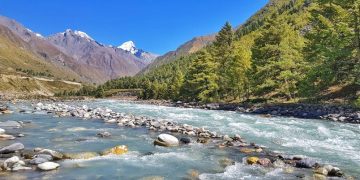
There are few experiences in the world of exploration as thrilling as navigating uncharted territories. For centuries, adventurers, scientists, and nature enthusiasts have been drawn to the allure of discovering the unknown—places that remain largely undisturbed by human activity. Among the most captivating of these unexplored realms are the hidden river valleys of our planet. These remote and rugged landscapes often lie tucked away in the folds of mountain ranges, their rivers flowing through canyons and valleys that have seen little to no human presence.
These unexplored river valleys are not only natural marvels but also serve as windows into Earth’s untouched past, offering insights into ecosystems that have evolved over millennia in isolation. This article will explore the significance of these hidden river valleys, their ecological importance, the challenges and risks of exploring them, and the experiences of adventurers who have dared to venture into these remote wildernesses.
1. What Makes Unexplored River Valleys So Unique?
1.1 The Importance of Untouched Ecosystems
Unexplored river valleys often contain ecosystems that are rare and highly specialized. These regions can harbor endemic species—plants and animals that exist nowhere else on Earth. The isolation of these valleys can create an environment where nature has evolved in unique ways. Rivers in these valleys can provide important freshwater ecosystems, supporting diverse wildlife, including fish, amphibians, and a variety of birds and insects.
Because these regions are largely undisturbed by human activity, the flora and fauna in unexplored river valleys can offer valuable insights into how ecosystems have evolved without external pressures such as pollution, climate change, or deforestation. Many of these valleys have remained intact for millennia, allowing researchers and conservationists to study the natural processes of riverine ecosystems in their most pristine state.
1.2 Geographical and Geological Significance
Unexplored river valleys are often located in remote mountain ranges or deep canyons—geographically difficult terrains that make them difficult to access. The ruggedness of these areas, combined with the sheer scale of the surrounding mountains, can create natural barriers that protect these valleys from human exploration.
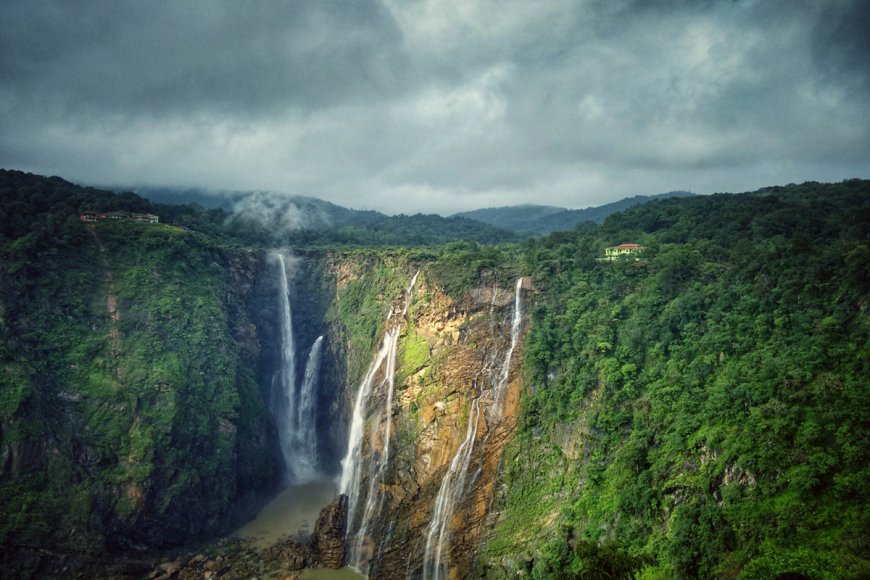
Geologically, these valleys are often rich with fossil deposits, rare minerals, and unique landforms. The river systems themselves may have shaped the land over millions of years, carving through rock formations and leaving behind dramatic cliffs, caves, and waterfalls. These valleys are like living museums that preserve the Earth’s geological history, giving scientists a rare glimpse into past climatic conditions, geological events, and the forces of erosion and sedimentation.
2. The Hidden Treasures of Unexplored River Valleys
2.1 Biodiversity Hotspots
One of the most exciting aspects of exploring unexplored river valleys is the potential for discovering new and undocumented species. As these areas are often cut off from the rest of the world, they can serve as refuges for unique wildlife that have not been impacted by human development. The rivers that flow through these valleys often support ecosystems that have been largely unchanged by modern civilization, preserving a biodiversity that has adapted to isolated conditions.
Take, for example, the Amazon River Basin in South America. While parts of the Amazon are well-known, vast stretches remain largely unexplored by scientists. Similarly, Nepal’s Kali Gandaki River is considered one of the deepest gorges in the world and is still home to endemic species that have never been fully documented.
Many unexplored river valleys house rare plant species that have not been found in other regions of the world. These plants can offer insight into natural remedies, new sources of food, and breakthroughs in medicine.
2.2 Unique Cultural Discoveries
In addition to their ecological value, unexplored river valleys can also offer a glimpse into human history. Remote valleys in places like the Himalayas, Amazon, and African Highlands may contain undiscovered tribes or ancient ruins that provide insight into lost civilizations. These river valleys may have been historically significant for indigenous cultures, serving as trade routes, sanctuaries, or ceremonial sites.
While some of these regions remain completely undisturbed, the presence of ancient rock art, tools, or even archaeological remains offers researchers the chance to uncover pieces of the puzzle of human history. The study of these sites can help piece together our understanding of early human migration, settlement patterns, and interaction with the natural environment.
3. The Challenges and Risks of Exploring Unexplored River Valleys
3.1 Physical Obstacles
Navigating unexplored river valleys is far from easy. The rugged terrain, dense jungles, steep cliffs, and treacherous rivers can make it physically challenging to access these regions. Often, explorers must trek for days or weeks to reach the heart of a valley. Along the way, they might face physical exhaustion, dangerous river crossings, unstable footing, and the unpredictable nature of the wilderness.
These areas are often untouched by human civilization, which means that no well-defined trails or infrastructure exists. Adventurers must navigate through dense undergrowth, climb over boulders, and face the elements with minimal assistance. For those venturing into high-altitude river valleys, the risk of altitude sickness or hypoxia can further complicate matters.
3.2 Wildlife and Environmental Risks
The fauna of unexplored river valleys is often just as unpredictable and potentially dangerous as the terrain. From venomous snakes and spiders to large predators like bears or tigers, these areas can host a wide range of potentially hazardous wildlife. Some remote valleys, like those in Papua New Guinea or the Amazon rainforest, are home to large populations of wild animals that are not accustomed to human presence and may be territorial or aggressive.
In addition to the animal threats, the unpredictable weather in these areas can also pose a serious risk. Flash floods, thunderstorms, and sudden temperature drops are common in valleys, especially those near high-altitude mountain ranges. River currents can be deceptively strong and may create hazardous conditions for crossings.
Explorers often need to be well-prepared with survival skills, including the ability to navigate in the wild, make emergency shelters, and purify water. The unpredictable nature of these environments demands careful planning, adaptability, and resourcefulness.
3.3 Legal and Ethical Considerations
As these regions are often located in protected areas or are culturally significant to local indigenous populations, explorers must be conscious of legal and ethical issues when venturing into unexplored river valleys. There may be restrictions on access due to environmental protections or indigenous land rights.
Modern explorers need to ensure that their presence in these regions doesn’t disturb local communities or contribute to environmental degradation. This can include ensuring that no trace is left behind, not interfering with local wildlife, and making sure that any research or documentation is done ethically and in collaboration with local authorities.
4. Notable Unexplored River Valleys and Expeditions
4.1 The Upper Mekong River (Tibet)
One of the least explored regions on Earth, the Upper Mekong River in Tibet, cuts through dramatic gorges and mountains in one of the most remote parts of the world. For centuries, this area has remained largely untouched by human hands, with most of the river’s source still not fully documented. Expeditions to this area are fraught with physical and political challenges—its location along the border of China and Myanmar makes it difficult to access.
Yet, this region is home to diverse wildlife and plant species, some of which remain unknown to modern science. Exploring the river’s upper reaches could unveil rare fossil deposits and provide further insight into early human migration patterns across Asia.
4.2 The Tadrart Acacus, Libya
The Tadrart Acacus mountains in Libya are home to an isolated river valley system that has remained virtually untouched by modern exploration. With rock art, ancient ruins, and unique geological formations, this region is a treasure trove of history and natural beauty.
Exploring these remote valleys involves navigating harsh desert landscapes, but the reward is the chance to witness the ancient world in its purest form. Researchers and explorers have documented countless petroglyphs and prehistoric artifacts in this area, which are believed to date back thousands of years.
4.3 The Futa Jallon Highlands, Guinea
The Futa Jallon Highlands in Guinea, West Africa, are home to several unexplored river valleys, including the Niger River’s headwaters. These valleys are surrounded by dense rainforest, rugged terrain, and steep mountain ranges. Expeditions to these areas often focus on documenting unexplored ecosystems and understanding the region’s role in the broader West African ecological system.
The valleys around the Futa Jallon are known for their rich biodiversity, including mammals, birds, and a vast array of flora that have yet to be fully studied. The region is considered to be one of the most biologically rich but least understood wilderness areas on the planet.
5. Conclusion: The Last Frontiers of Exploration
Unexplored river valleys offer some of the world’s most remote and untouched wildernesses, where nature thrives in isolation and human presence is scarce. These valleys hold not only scientific and cultural significance but also offer adventurers the opportunity to push their limits and experience the raw beauty of undisturbed landscapes. As exploration continues to evolve, it is likely that even more hidden gems will be uncovered, offering fresh insights into Earth’s complex ecosystems, biodiversity, and history. The allure of these unexplored regions remains as strong as ever, calling out to those brave enough to embrace the unknown and venture into nature’s most rugged and remote territories.