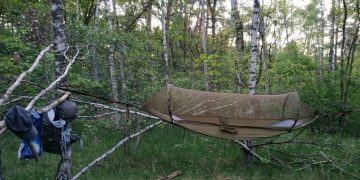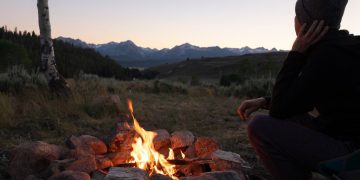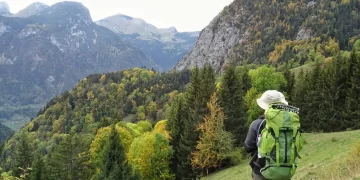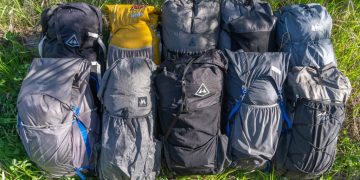










In the realm of outdoor adventures, survival sports, and extreme activities, the balance between lightweight gear and essential skills is critical. As adventurers, mountaineers, hikers, or survivalists push their limits, they must often choose between carrying comprehensive, weighty equipment or opting for minimal gear in exchange for relying more on their own expertise. The dilemma becomes particularly pressing when considering whether one can effectively compensate for the risks associated with reduced equipment load with just fundamental skills.
This article delves into the pros and cons of both lightweight gear and basic skills. We will explore how critical it is to adapt one’s mindset and approach when faced with these variables, and analyze whether foundational skills such as navigation, fire-starting, shelter building, and first aid can truly mitigate the potential dangers of carrying less equipment in high-risk scenarios.
1. Introduction: The Dilemma of Equipment vs. Skills
In any environment, from the frigid Arctic tundra to the sweltering deserts or dense, unforgiving rainforests, the importance of having reliable equipment cannot be overstated. Yet, there is a growing trend in the adventure and survival communities towards minimalism. The belief is that through honing fundamental survival skills and using lightweight gear, adventurers can significantly reduce the burden of carrying heavy packs, potentially increasing their efficiency and freedom.
The core question that arises is whether these basic survival skills can truly substitute for the safety nets traditionally offered by heavier, more complex gear. Is it enough to trust one’s ability to navigate the wilderness, build a shelter, and find food with nothing more than a small knife, a fire starter, and a minimal first-aid kit?
2. The Case for Lightweight Gear
2.1 Reducing Weight and Increasing Mobility
One of the primary arguments in favor of lightweight gear is its ability to enhance mobility. In situations where long distances must be covered or fast-paced activities are involved (like trail running, backpacking, or tactical operations), reducing weight can dramatically increase an individual’s speed and endurance. Less weight means less fatigue, and less fatigue translates to increased performance.
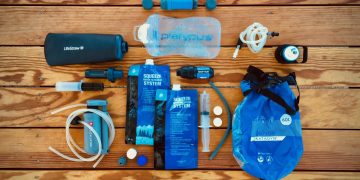
For example, in mountaineering, lightweight clothing, tents, and sleeping bags have revolutionized expeditions by allowing climbers to conserve energy while maintaining essential protection. A lighter pack can make all the difference in reaching a summit or crossing a dangerous mountain pass. Similarly, lightweight tools such as a compact multi-tool, a small yet durable knife, or ultra-light cooking gear can significantly improve an adventurer’s ability to operate efficiently without sacrificing too much functionality.
2.2 Technical Advancements in Gear
Modern advancements in technology and materials have also played a critical role in promoting lightweight gear. Innovations in fabrics, like Gore-Tex for waterproofing or Dyneema for ultra-strong yet light fabrics, have made it possible to create equipment that is both lightweight and durable. As a result, adventurers are no longer forced to choose between comfort and efficiency—lightweight gear now delivers comparable functionality to heavier alternatives.
2.3 The Appeal of Minimalism
Minimalist adventuring has gained popularity in recent years, partly due to the appeal of “packing light” and reducing the burden of unnecessary weight. As climbers, trekkers, and survivalists pare down their packs, they often report not only physical benefits but also psychological ones. Reducing gear and embracing minimalism can foster a sense of self-sufficiency and empowerment.
For instance, some solo hikers and backpackers have shared stories of accomplishing long, grueling treks with only the barest essentials. They argue that carrying less equipment forces them to become more resourceful and innovative in their approach to survival. In this context, lightweight gear isn’t just about the weight reduction—it’s about cultivating the mental and physical endurance to handle challenges more efficiently.
3. The Role of Basic Survival Skills
3.1 Navigation: The Foundation of Survival
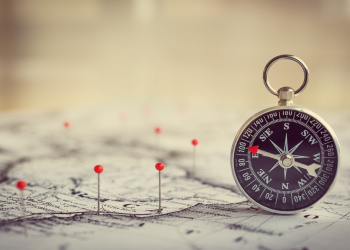
In a world where GPS devices and smartphone apps are commonplace, it’s easy to forget the importance of traditional navigation skills. However, when venturing into the wild without a significant amount of gear, the ability to navigate using a map and compass becomes paramount. Basic orienteering knowledge allows adventurers to stay on course, find their way out of trouble, and avoid becoming lost—something that could easily lead to dire consequences if they are unprepared.
Moreover, understanding the basics of navigation can minimize the need for high-tech gear, which often requires power sources or batteries that may fail. In remote environments, where resupply stations and charging points are scarce, fundamental navigation skills ensure that adventurers remain safe.
3.2 Fire-Starting and Shelter-Building: Critical for Survival
The ability to start a fire with minimal equipment is one of the most essential skills in any survivalist’s toolkit. In the wilderness, fire provides warmth, purifies water, signals for help, and enables cooking. While modern fire starters and lighters are often a go-to choice, an experienced survivalist can reliably ignite a flame using friction, flint and steel, or even the sun’s rays.
Similarly, shelter-building techniques can make the difference between life and death in harsh conditions. While lightweight tents are useful, a skilled individual can construct a shelter using available materials such as branches, leaves, and snow. Knowing how to create a thermal shelter, build an efficient fire, and prepare for weather changes allows one to adapt without being overly reliant on sophisticated gear.
3.3 First Aid and Self-Rescue Techniques
Another area where basic skills play a pivotal role is in first aid and self-rescue. When the need for medical intervention arises, knowing how to stabilize a wound, treat hypothermia, or perform a simple splint can prevent serious complications until proper help arrives. Even something as basic as knowing how to treat dehydration or avoid heatstroke can be a lifesaver.
In the absence of medical gear, which might include splints, bandages, or specialized tools, basic first aid skills can ensure that an adventurer remains functional and safe in the wilderness. For instance, the ability to dress a wound using improvised materials can make all the difference between enduring a challenging situation and facing further complications.
4. The Risks of Reducing Equipment Load
While lightweight gear and basic survival skills certainly offer benefits, there are inherent risks to going too far in minimizing one’s equipment. The crucial factor is finding the right balance between weight reduction and safety.
4.1 Underestimating Risks
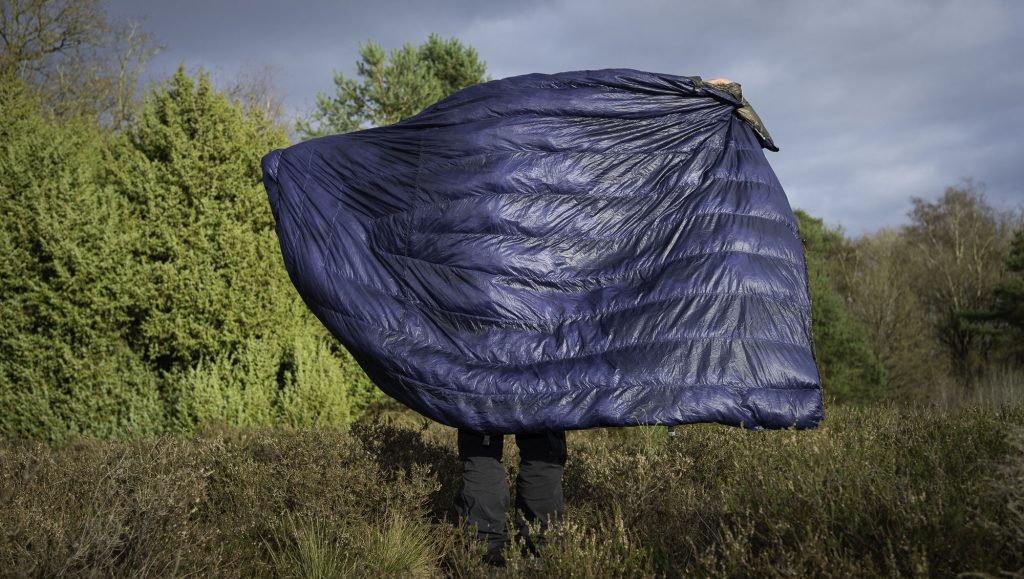
One of the most significant risks when reducing equipment is the potential for underestimating the dangers of the environment. For example, a hiker who chooses to leave behind a heavy sleeping bag for the sake of packing light may find themselves ill-prepared for an unexpected cold snap. Similarly, leaving out a GPS device could be dangerous if one becomes lost in an unfamiliar wilderness area.
Many critical situations require a range of specialized gear, including advanced medical kits, reliable tools, and durable clothing that can withstand extreme conditions. While basic skills can mitigate many risks, having a safety net in the form of extra equipment is often essential for ensuring survival.
4.2 Compromising Long-Term Survival
Another risk is compromising long-term survival. While minimal gear may suffice for short-term adventures, it can leave an individual unprepared for extended stays in the wild. What happens when food is scarce or water is contaminated? Basic survival skills can make up for a lack of specialized gear in the short term, but long-term survival often requires equipment like water filters, shelter materials, and food preservation tools.
4.3 Increased Mental and Physical Stress
The decision to reduce gear load can also place additional stress on both mental and physical faculties. The fewer items you carry, the more you rely on your body and mind. While this may strengthen one’s skills, it can also lead to exhaustion, injury, or mental fatigue in high-stress scenarios. In situations of extreme danger or uncertainty, this added burden could overwhelm even the most experienced survivalist.
5. Finding the Right Balance: Equipment, Skills, and Risk Management
The key takeaway is that there is no one-size-fits-all answer to the question of whether basic skills can fully compensate for reduced equipment. The optimal approach depends largely on the environment, the adventure’s scope, and the individual’s experience.
For a seasoned adventurer in familiar terrain, lightweight gear combined with expert skills may be sufficient to minimize risk. However, for beginners or those venturing into unpredictable or dangerous environments, carrying more comprehensive gear is often the safer choice.
An optimal strategy involves striking a balance. Lightweight gear and skills should complement one another, not replace one another. For example, packing a small survival kit with fire-starting tools, a knife, and a minimal first-aid kit may still offer essential security while relying on one’s skills for improvisation. Understanding one’s capabilities, the environment, and the risks involved is the key to making the right decision.
6. Conclusion
The debate between lightweight gear and basic survival skills is not one of absolutes but of nuance. Both are indispensable, and each has its strengths and weaknesses. Basic skills can certainly mitigate the risks of reducing equipment, but they cannot eliminate all dangers. A thoughtful combination of both lightweight gear and essential survival skills offers the greatest chance of success in outdoor adventures and survival situations.
As adventurers and survivalists continue to explore new frontiers, the development of both gear and skills will remain crucial in adapting to an ever-changing and often unpredictable world. The ultimate goal is not just survival but thriving in the wild, and this requires a thoughtful approach to both equipment and expertise.