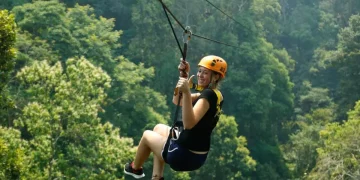










Introduction: The Thrill of High Drop Routes in Nature
There’s an intrinsic allure in nature’s challenges, particularly when it comes to navigating extreme terrains with high vertical drops. Natural obstacle high drop routes—whether they be cliffs, mountain trails, or waterfalls—offer some of the most thrilling adventures for those who seek to push the limits of physical endurance and mental focus. These routes are often found in some of the most remote and rugged regions of the world, providing an unparalleled connection with the wild and an opportunity to test oneself against nature’s toughest challenges.
These natural obstacles, with their steep drops, difficult ascents, and unpredictable conditions, offer something truly unique. Hiking, climbing, or cycling these routes is a form of adventure that brings together the physicality of extreme sports and the awe-inspiring beauty of the natural world. In this article, we’ll explore the allure of high drop routes, dive into some of the most iconic and challenging routes worldwide, and discuss the necessary skills, safety precautions, and mental fortitude required to master these awe-striking landscapes.
1. What Makes Natural Obstacle High Drop Routes So Unique?
1.1 The Challenge of Vertical Terrain
The defining characteristic of high drop routes is their verticality. Climbers, hikers, and even cyclists find themselves facing some of nature’s most demanding conditions: steep cliffs, sudden drops, and massive ascents that challenge both the body and the mind. Navigating these routes often requires not only strength and endurance but also an intimate understanding of terrain management.
The difficulty of these routes lies in the extreme changes in elevation that are often encountered within short distances. One moment, adventurers may find themselves climbing steep ridges and scrambling over rocks, and the next, they may be descending vertiginous paths where the wrong step could lead to disaster. These high-drop trails offer a level of unpredictability that makes them all the more thrilling—and daunting.
1.2 Confronting Fear and the Psychological Aspect
One of the unique elements of high drop routes is the psychological component that accompanies them. Conquering the fear of heights is a significant factor, as the heights involved can invoke a fight-or-flight response in many. Surpassing this fear is an essential part of the journey. It isn’t just about physical endurance; it’s about overcoming mental barriers and developing resilience. For many adventurers, completing these high drop routes brings a sense of personal victory—a triumph not only over the natural obstacles but over one’s own doubts and fears.
Moreover, the feeling of accomplishment after successfully navigating a vertical route in nature is immense. The sense of connection with nature, combined with the challenge of mastering the terrain, can lead to an unparalleled sense of fulfillment.
2. Iconic Natural High Drop Routes Around the World
2.1 El Capitan: Yosemite National Park, USA
No list of high drop routes would be complete without mentioning El Capitan, one of the most famous rock formations in the world. Located in Yosemite National Park, California, El Capitan is a sheer granite face that rises 3,000 feet (900 meters) above the valley floor. It has become the holy grail of big-wall climbing, attracting elite climbers from around the world.
Climbing El Capitan is not for the faint of heart. The route, which takes several days to ascend, requires expert-level skill in rock climbing, bivouacking, and mental focus. While the climb itself is the ultimate test of verticality, it is the sheer exposure and the sense of being suspended over a massive drop that make this route so unique. Climbers brave dangerous overhangs, slippery rocks, and intense exposure to complete the ascent. For many, conquering El Capitan is the pinnacle of climbing achievements.
2.2 The Inca Trail: Peru
The Inca Trail offers another type of high drop route, this time blending vertical ascents with cultural significance. This ancient path winds through the Andes Mountains and takes hikers on a journey to the iconic Machu Picchu, a UNESCO World Heritage site. While not as sheer as El Capitan, the Inca Trail has its fair share of challenging ascents and descents, including steep stone steps that rise up the mountainside.
The rugged terrain, high altitude, and occasional cliffside path make this trail a test of endurance. Adventurers need to prepare for the physical strain and the potential risks of altitude sickness, as the trail peaks at over 13,800 feet (4,200 meters) above sea level. The rewarding views of snow-capped peaks, dense forests, and the breathtaking ruins of Machu Picchu make the arduous trek well worth the effort.
2.3 Drakensberg Mountains: South Africa
The Drakensberg Mountains in South Africa offer some of the most dramatic and striking landscapes in the world. These mountains are home to cliffs, waterfalls, and high-altitude plateaus, providing ample opportunities for those looking for extreme vertical routes. The famous Sentinel Peak features a stunning cliffside route that climbers and hikers can ascend, offering dramatic views of the surrounding wilderness.
The Tugela Falls, one of the highest waterfalls in the world, cascades down the cliffs in the Drakensberg, creating a spectacular backdrop for those brave enough to scale the heights nearby. The terrain here is not only challenging but also relatively untouched, making it a perfect destination for those seeking both adventure and solitude.
2.4 The Dolomites: Italy
The Dolomites, a mountain range in the northern Italian Alps, are known for their dramatic peaks and steep drop-offs. They provide a variety of challenging high drop routes for mountaineers, climbers, and cyclists. The via ferrata routes, in particular, are famous for providing climbers with steel cables and iron rungs to help scale some of the most vertical cliffs.
Among the most iconic is the Tre Cime di Lavaredo, a towering group of peaks that offers dramatic views and technical climbing challenges. The climbs here range from beginner to expert-level difficulty, but each one provides a sense of accomplishment for those willing to face the vertical challenges.
3. The Skills and Equipment Required for High Drop Routes
3.1 Essential Skills for High Drop Routes
Successfully navigating natural obstacle high drop routes requires a combination of physical endurance, technical knowledge, and mental strength. Some key skills include:
- Climbing and Bouldering: For those tackling cliffs, the ability to navigate vertical surfaces is essential. This involves knowing how to use tools like ropes, carabiners, cams, and quickdraws.
- Trail Navigation and Orientation: Many of these routes are in remote areas, meaning hikers need to be skilled at reading maps, using GPS devices, and navigating by landmarks.
- Endurance Training: The physically demanding nature of high drop routes means that adventurers must be in peak physical shape. Cardio, strength training, and flexibility are all necessary components for successfully completing these routes.
3.2 Specialized Equipment
Climbers, hikers, and cyclists who wish to tackle high drop routes must invest in specialized gear to stay safe and efficient on these extreme terrains:
- Climbing Gear: For vertical climbs, harnesses, chalk bags, ropes, and carabiners are necessary.
- Footwear: Proper footwear is crucial for safety and comfort. Climbing shoes, hiking boots, and mountain biking shoes should all provide support, grip, and durability.
- Safety Gear: For high-altitude or cliff-side environments, helmets, pads, gloves, and first-aid kits are mandatory.
- Weather-Proof Clothing: Adventurers must be prepared for rapid weather changes, so waterproof jackets, insulating layers, and UV-protection clothing are essential.
- Hydration Systems: Dehydration can be a real issue on long and strenuous routes, so hydration packs and water bottles are indispensable.
4. The Mental Toughness of High Drop Routes
4.1 Overcoming Fear and Doubt
Whether you’re climbing a sheer cliff or hiking a steep mountain trail, the psychological aspects of high drop routes are undeniable. The fear of heights, the physical strain, and the constant exposure to risk can lead to mental fatigue. The key to success on these routes lies in mental preparation.
Adventurers must be able to stay calm under pressure, assess risks with clarity, and avoid panic in difficult situations. Techniques like breathing exercises, visualization, and maintaining a positive mindset are critical for maintaining focus during a high-stakes adventure.
4.2 Building Resilience
The process of conquering high drop routes is also about building resilience—the ability to push through moments of discomfort, fear, and exhaustion. Resilience is often the difference between success and failure on these demanding routes.
5. Conclusion: The Allure of Natural Obstacle High Drop Routes
Natural obstacle high drop routes are not just physical challenges—they are profound tests of one’s strength, courage, and mental fortitude. From the towering cliffs of El Capitan to the rugged terrain of the Drakensberg Mountains, these routes offer some of the most spectacular, and demanding, adventures on Earth.
For those willing to embrace the vertical challenge, the rewards are immense: not just the sense of accomplishment from overcoming natural obstacles, but also the life-changing perspective that comes with facing nature in its most raw and unforgiving form. These routes are for those who are looking for an adventure that will push them to their limits and beyond, rewarding them with the ultimate connection to the natural world.