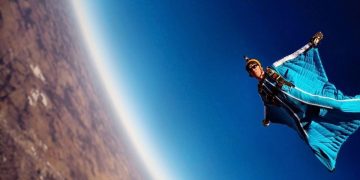










Wingsuit flying represents one of the most extreme and exhilarating disciplines in modern aviation sports. By combining human skill, precision engineering, and deep understanding of aerodynamics, wingsuit pilots achieve sustained flight, maneuvering through mountains, cliffs, and valleys at remarkable speeds and altitudes. Unlike traditional skydiving, wingsuit flying transforms the human body into a gliding apparatus, allowing pilots to navigate complex terrains with a high degree of control and finesse.
This article explores professional wingsuit routes, examining the technical, physiological, and environmental considerations critical to safe and successful flight. It provides an in-depth analysis of route planning, aerodynamics, risk management, equipment design, and the emerging trends that define the cutting edge of wingsuit flying. By integrating engineering, meteorology, physiology, and adventure sports science, this discussion elevates the understanding of wingsuit flight beyond mere thrill-seeking into a precise and professional discipline.
1. Introduction to Wingsuit Flying
1.1 Historical Background
- The concept of human flight using body extensions dates back to Leonardo da Vinci’s sketches of gliding apparatus.
- Modern wingsuit flying emerged in the late 20th century, with early designs by Patrick de Gayardon and subsequent refinements by innovators in Europe and North America.
- Today, wingsuit flying includes both skydiving exits and BASE jumping (Building, Antenna, Span, Earth) routes, expanding the sport’s scope and complexity.
1.2 Definitions and Key Principles
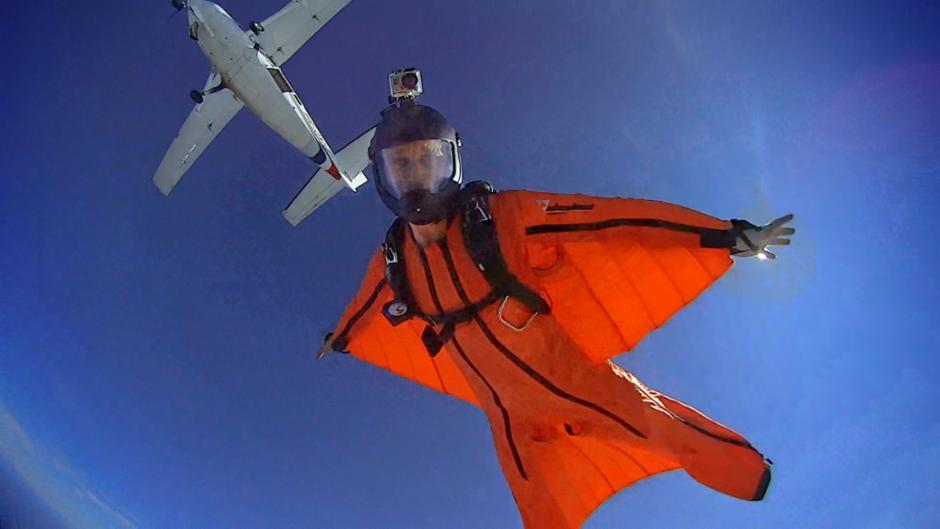
- Wingsuit: A specialized jumpsuit with fabric between the arms and legs that generates lift, allowing pilots to glide horizontally.
- Glide ratio: The horizontal distance traveled relative to vertical drop; advanced wingsuits can achieve ratios of 3:1 or higher.
- Professional routes: Pre-planned trajectories with complex topographical challenges, often requiring coordination with meteorological and geological data.
2. Aerodynamics of Wingsuit Flight
2.1 Lift and Drag Dynamics
- Lift is generated by airflow over the fabric wings, creating horizontal displacement.
- Drag reduction is critical; aerodynamic efficiency is enhanced by body positioning, suit tension, and suit design.
- Pilots must maintain precise angles of attack to maximize glide distance while minimizing descent speed.
2.2 Body Positioning
- Slight changes in shoulder, hip, and leg angles significantly affect flight path.
- Pilots must dynamically adjust body posture to navigate terrain, counter wind gusts, and maintain stability.
2.3 Environmental Considerations
- Wind speed, direction, and turbulence influence route planning and in-flight adjustments.
- Temperature and air density affect lift generation and glide performance.
- Mountain thermals and canyon wind channels can be exploited to extend flight duration.
3. Professional Wingsuit Routes
3.1 Mountain-to-Valley Courses
- Typical routes start from high-altitude cliffs, gliding down into valleys.
- Requires precise altitude assessment, trajectory calculation, and landing zone selection.
- Notable examples:
- Lauterbrunnen Valley, Switzerland – iconic for its narrow cliffs and vertical drops.
- Chamonix-Mont-Blanc, France – challenging due to complex wind patterns and variable terrain.
3.2 Cliff-to-Cliff Flights
- Advanced pilots navigate through gaps between cliffs or rock formations.
- Requires split-second judgment, exceptional control, and comprehensive route scouting.
- Risks: collision with rock faces, unpredictable turbulence, and rapid altitude loss.
3.3 BASE Jumping Integration
- BASE exits allow pilots to initiate wingsuit flight from fixed structures.
- Popular structures include bridges, towers, and antennas, often with legal restrictions.
- Integration of BASE jumping adds complexity due to shorter glide distances and immediate parachute deployment requirements.
3.4 Long-Distance Glides
- Professional pilots often undertake cross-mountain flights, spanning kilometers.
- Requires route planning with multiple topographical and meteorological checkpoints.
- Examples: Himalayan ridge crossings, Patagonian cliffs, and Norwegian fjords.
4. Risk Management in Professional Routes
4.1 Pre-Flight Analysis
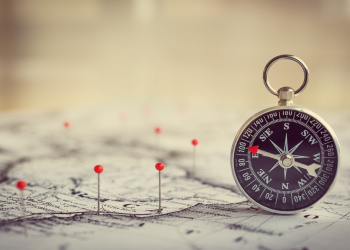
- Detailed topographical maps, 3D models, and drone reconnaissance.
- Simulation of flight trajectories using software to assess potential hazards.
- Assessment of weather conditions: wind, cloud cover, temperature gradients.
4.2 Emergency Preparedness
- Redundant parachutes and altimeters.
- Establishing bailout zones in case of suit malfunction or collision risk.
- Communication protocols with ground teams and air traffic authorities.
4.3 Physical and Psychological Training
- Core strength, flexibility, and cardiovascular conditioning essential.
- Stress management and decision-making under extreme conditions are critical.
- Virtual reality and wind tunnel simulations improve spatial awareness and reflexes.
5. Equipment and Suit Technology
5.1 Wingsuit Design
- Material: lightweight, durable fabrics with high tensile strength.
- Wing span and surface area tailored to pilot size and flight objectives.
- Incorporates aerodynamic channels to enhance lift and reduce drag.
5.2 Parachute Systems
- Professional wingsuit pilots require highly responsive main and reserve parachutes.
- Deployment techniques adapted to high-speed, low-altitude flights.
- Integration with altimeters and automatic activation devices (AAD) improves safety margins.
5.3 Ancillary Gear
- Helmets with aerodynamic profiles and integrated communication systems.
- Goggles resistant to fog and debris.
- Flight suits with temperature regulation for high-altitude or cold-weather routes.
6. Training for Professional Wingsuit Routes
6.1 Progressive Skill Development
- Stage 1: Indoor simulations and wind tunnel training.
- Stage 2: Tandem jumps and controlled skydives.
- Stage 3: Solo jumps with incremental route complexity.
- Stage 4: BASE jumps integrated with wingsuit flight.
6.2 Mentorship and Supervision
- Experienced pilots provide real-time guidance and risk assessment.
- Debriefing sessions with video analysis refine trajectory control and decision-making.
6.3 Physiological Conditioning
- Strength and flexibility training enhance flight stability.
- Cardiovascular conditioning improves endurance for long-distance flights.
- Mental training techniques such as visualization and stress exposure improve focus.
7. Environmental and Ethical Considerations
7.1 Ecological Impact
- Awareness of wildlife disturbance, erosion, and habitat damage near cliff exits.
- Minimizing waste and respecting local environmental regulations.
7.2 Legal and Cultural Constraints
- Many professional routes intersect with protected areas or private property.
- Pilots must obtain permits and coordinate with local authorities.
7.3 Ethical Responsibility
- Avoid reckless risk-taking that endangers others.
- Promote safe practices within the wingsuit community.
8. Iconic Professional Wingsuit Routes
8.1 Lauterbrunnen Valley, Switzerland
- Vertical cliffs exceeding 1,000 meters.
- Narrow gaps between rock faces demand precision navigation.
8.2 Troll Wall, Norway
- Europe’s highest vertical rock face.
- Known for complex wind patterns and extreme drop height.
8.3 Yosemite National Park, USA
- Granite walls provide dramatic vertical landscapes.
- Requires careful coordination with park regulations and air traffic.
8.4 The Himalayas
- High-altitude launches provide unique lift potential but increased oxygen deprivation risks.
- Multi-kilometer ridge-to-valley flights are considered pinnacle achievements.
9. Future Trends in Professional Wingsuit Routes
9.1 Advanced Simulation and AI Assistance
- 3D modeling and AI algorithms for route planning and hazard prediction.
- Augmented reality headsets provide real-time flight adjustments.
9.2 Sustainable Wingsuit Technology
- Development of lighter, stronger, and more aerodynamically efficient materials.
- Enhanced parachute systems for low-altitude emergency deployment.
9.3 Global Route Expansion
- Exploration of underutilized mountainous regions and canyon systems.
- Integration with drone reconnaissance and environmental monitoring.
10. Conclusion
Professional wingsuit routes epitomize the fusion of human skill, engineering, and environmental understanding. Pilots navigate extreme terrain with unparalleled precision, leveraging aerodynamic knowledge, meticulous planning, and advanced equipment. These routes are not merely thrill-seeking endeavors; they represent a professional discipline that demands technical mastery, physical conditioning, and environmental awareness.
As technology advances, the boundaries of wingsuit flight will continue to expand, allowing pilots to explore longer, more complex, and ecologically responsible routes. Through careful planning, rigorous training, and ethical practice, wingsuit pilots transform mountains and valleys into living laboratories of human potential and aeronautical ingenuity. The art and science of professional wingsuit routes stand as a testament to the human desire to fly, explore, and master extreme environments.