









In the era of experiential and sustainable travel, staying with local families—commonly known as homestays—has emerged as one of the most authentic ways to understand a culture. Beyond the surface-level engagement offered by hotels or tourist-focused accommodations, living with local families allows travelers to observe daily routines, participate in household activities, and form meaningful connections.
This comprehensive guide explores the professional, practical, and ethical aspects of homestays, covering preparation, etiquette, cultural benefits, economic and social impacts, challenges, and future trends. It serves as a resource for travelers, travel operators, and communities seeking to optimize the homestay experience while promoting cultural respect and sustainability.
1. Understanding Homestays
1.1 Definition and Scope
- Homestays involve travelers residing in the home of a local family for a defined period, ranging from a few days to several weeks.
- Hosts provide accommodation and, in many cases, meals, while guests contribute through respect, participation, and sometimes nominal fees.
- Homestays are common in Asia, Africa, Latin America, and increasingly in rural and suburban regions of Europe and North America.
1.2 Motivations for Travelers
- Cultural Immersion: Witness and engage in daily life, from cooking to local traditions.
- Language Learning: Practice and improve language skills in authentic settings.
- Sustainable Tourism: Support local economies and avoid commercialized tourist traps.
- Personal Growth: Develop empathy, adaptability, and global awareness.
2. Benefits of Living with Local Families
2.1 Cultural Learning
- Participate in festivals, religious ceremonies, and family rituals.
- Understand social norms, hierarchies, and community dynamics.
- Gain insights into food culture, art, and traditional practices.
2.2 Language Acquisition
- Immersion accelerates language learning through daily conversation.
- Exposure to regional dialects, slang, and colloquial expressions.
- Encourages practical application of classroom knowledge in real contexts.
2.3 Emotional and Social Benefits
- Build relationships that often extend beyond the stay.
- Experience belonging and inclusion in another culture.
- Develop interpersonal skills, empathy, and patience.
2.4 Economic Impact
- Direct financial support to host families, enhancing community well-being.
- Encourages development of local services and products tailored for homestays.
- Reduces reliance on large tourism chains, promoting equitable income distribution.
3. Planning a Homestay
3.1 Research and Selection
- Identify reputable homestay platforms or community-based tourism programs.
- Assess host profiles, reviews, and safety certifications.
- Consider duration, region, language, and cultural preferences.
3.2 Pre-Arrival Preparation
- Learn basic phrases and cultural etiquette.
- Understand household rules, mealtime routines, and gender norms.
- Pack appropriate clothing, gifts, or contributions to household needs.
3.3 Health and Safety Considerations
- Vaccinations and travel insurance should be arranged.
- Review local medical facilities and emergency contacts.
- Prepare for dietary restrictions, allergies, or climate adaptation.
4. Arrival and Integration
4.1 First Impressions
- Greeting rituals vary by culture; observe and follow the host’s lead.
- Offer a small gift as a gesture of respect, if culturally appropriate.
4.2 Understanding Household Dynamics
- Identify family members, roles, and daily routines.
- Observe schedules for meals, chores, and leisure.
- Respect private spaces and boundaries.
4.3 Active Participation
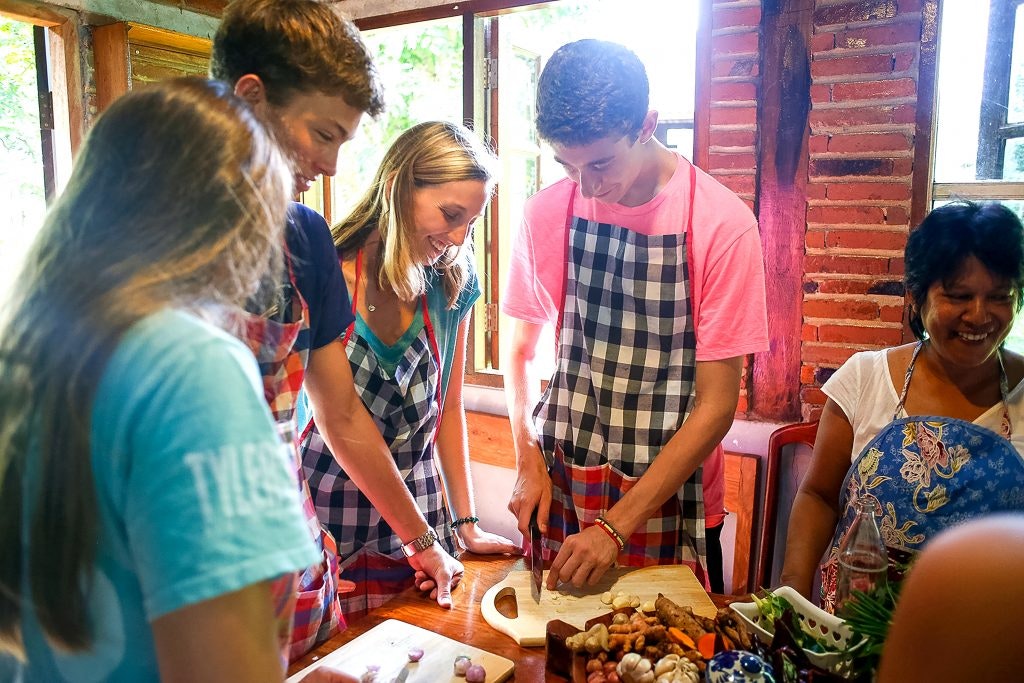
- Engage in cooking, cleaning, and community activities when invited.
- Ask questions respectfully to learn about customs and traditions.
- Balance participation with discretion; avoid overstepping.
5. Daily Life and Cultural Exchange
5.1 Meal Preparation and Dining Etiquette
- Participate in preparing local dishes to understand dietary customs.
- Observe mealtime rituals, seating arrangements, and table manners.
- Offer to help without imposing foreign practices.
5.2 Household Chores and Responsibilities
- Some families may involve guests in chores such as gardening, animal care, or fetching water.
- Completing tasks alongside the family enhances understanding and fosters trust.
5.3 Festivals, Rituals, and Celebrations
- Involvement in local events provides immersive learning.
- Respect religious or ceremonial practices, even if different from personal beliefs.
- Document experiences sensitively; photography may require permission.
5.4 Storytelling and Knowledge Exchange
- Listen to family stories, folklore, and local history.
- Share aspects of your own culture to create reciprocal exchange.
- Encourage children or younger members to practice language or skills through games or teaching.
6. Communication and Language
6.1 Effective Communication
- Use verbal and non-verbal cues to bridge language gaps.
- Practice patience and active listening.
- Use translation apps when necessary but prioritize human interaction.
6.2 Language Learning Opportunities
- Ask for explanations of idioms, expressions, and cultural references.
- Participate in family discussions, chores, and outings to practice context-based communication.
- Record new vocabulary and phrases for later review.
7. Ethical and Cultural Considerations
7.1 Respect and Sensitivity
- Avoid criticizing customs, food, or household practices.
- Dress appropriately according to local norms.
- Adapt behavior to household rules and cultural expectations.
7.2 Boundaries and Privacy
- Recognize and respect personal spaces, including bedrooms and storage areas.
- Limit digital intrusion; avoid excessive photography or social media posting without consent.
- Balance curiosity with discretion in observing family interactions.
7.3 Avoiding Cultural Commodification
- Engage genuinely rather than treating the stay as a tourist attraction.
- Support local initiatives that prioritize cultural preservation.
- Be aware of exploitation risks in commercialized homestays.
8. Challenges of Homestays
8.1 Cultural Adjustment
- Homes may differ in hygiene standards, food, or amenities.
- Noise, privacy, or family structure may require adaptation.
8.2 Communication Barriers
- Misunderstandings may occur due to language or cultural differences.
- Patience, non-verbal communication, and observation are essential.
8.3 Expectations vs. Reality
- Be prepared for differences between advertised experiences and actual living conditions.
- Maintain flexibility and openness to unexpected routines.
8.4 Emotional Impact
- Living closely with strangers can be emotionally taxing.
- Managing conflicts or misunderstandings requires diplomacy and empathy.
9. Maximizing the Homestay Experience
9.1 Preparation Tips
- Research the host community, traditions, and local lifestyle.
- Set personal learning objectives, such as language improvement or cooking skills.
- Pack small gifts that reflect respect and interest in local culture.
9.2 Engagement Strategies
- Offer assistance in daily tasks or special projects.
- Attend local events, markets, and communal gatherings.
- Document experiences in a journal or blog while respecting privacy.
9.3 Reflective Practices
- Observe family interactions and household rhythms carefully.
- Record insights and cultural learnings for personal growth.
- Discuss reflections with hosts when appropriate, fostering mutual understanding.
10. Economic and Social Impacts
10.1 Benefits for Host Families
- Additional income supports education, health, and household needs.
- Encourages pride and preservation of local traditions.
- Fosters global connections and potential long-term exchanges.
10.2 Benefits for Travelers
- Exposure to authentic culture, customs, and daily life.
- Improved cultural intelligence and interpersonal skills.
- Deeper understanding of local social dynamics and community challenges.
10.3 Community Development
- Homestays promote sustainable rural tourism.
- Encourage investment in local services, infrastructure, and skill development.
- Strengthen community cohesion by valuing cultural knowledge.
11. Case Studies of Successful Homestays
11.1 Asia: Northern Thailand and Vietnam
- Travelers live in hill tribe villages, participate in farming, cooking, and weaving.
- Host families teach traditional songs, dances, and folklore.
- Community-led tourism ensures economic benefits remain local.
11.2 Latin America: Ecuador and Guatemala
- Guests stay with indigenous families, join festivals, and engage in craft production.
- Language immersion programs integrated into daily household life.
- Cultural preservation is central to community-based tourism initiatives.
11.3 Europe: Rural Italy and France
- Families open homes for travelers seeking culinary, agricultural, or artistic experiences.
- Guests assist in vineyard work, cheese-making, or pottery workshops.
- Integration with local markets and events enhances authenticity.
11.4 Africa: Kenya and Morocco
- Homestays in rural villages provide insight into pastoralist life and traditional crafts.
- Travelers participate in cooking, animal care, and cultural ceremonies.
- Programs emphasize sustainable tourism and community empowerment.
12. Long-Term Benefits of Homestays
12.1 Cultural Competence
- Enhances understanding of global diversity and social norms.
- Encourages adaptability in multicultural settings.
12.2 Personal Growth
- Develops empathy, patience, and interpersonal skills.
- Fosters independence, resilience, and problem-solving.
12.3 Sustainable Travel Practices
- Reduces reliance on mass tourism infrastructure.
- Promotes ethical, low-impact travel that benefits local communities.
13. Future Trends in Homestays
- Digital Platforms: Expansion of online booking with verified host profiles.
- Cultural Certification: Programs emphasizing authenticity, safety, and sustainability.
- Skill-Based Stays: Integration of workshops, language learning, and vocational experiences.
- Long-Term Residencies: Increasing interest in extended stays for in-depth cultural immersion.
- Eco-Homestays: Combining environmental sustainability with cultural engagement.
14. Conclusion
Living with local families offers travelers an unparalleled window into authentic daily life, cultural practices, and community values. Beyond the conventional sightseeing model, homestays provide opportunities for language learning, culinary exploration, social engagement, and personal growth.
By approaching homestays with respect, cultural sensitivity, and ethical awareness, travelers can create transformative experiences that benefit both themselves and host communities. The practice not only fosters meaningful connections but also contributes to sustainable and equitable tourism development.
For modern travelers seeking deeper understanding, human connection, and cultural authenticity, homestays are not merely accommodations—they are gateways to living the world from the perspective of its inhabitants.