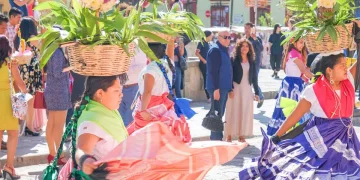










In a rapidly changing world, where globalization and modernization are reshaping societies and cultures, the act of reconnecting with one’s cultural roots has gained immense significance. Across the globe, individuals are increasingly seeking to understand their origins, ancestry, and the traditions that shaped their communities. Cultural heritage stories, passed down through generations, serve as both a window to the past and a mirror reflecting the values and identity of a people.
Cultural heritage stories encompass a wide range of narratives, from family histories and ancient myths to the tales of migration, survival, and transformation that have shaped civilizations. These stories are crucial to understanding who we are and where we come from, providing a sense of belonging and purpose in an ever-evolving world.
This article will explore the importance of cultural heritage stories, how they shape individual and collective identities, and the role they play in preserving cultural diversity. We will also examine the methods people use to trace their cultural roots and the personal and societal benefits of reconnecting with one’s heritage.
1. The Importance of Cultural Heritage
Cultural heritage, whether tangible or intangible, is the collective legacy of humanity. It is the result of centuries of human creativity, ingenuity, and social development. For many, uncovering cultural heritage stories is akin to rediscovering a part of themselves.
1.1 What Is Cultural Heritage?
Cultural heritage refers to the traditions, beliefs, practices, artifacts, and stories that have been passed down through generations. It includes everything from the physical landmarks of ancient civilizations to the rituals, customs, and values that define a community. Cultural heritage can be both tangible (e.g., monuments, buildings, artifacts) and intangible (e.g., folklore, oral traditions, languages).
- Tangible Heritage: These are physical objects or sites that have historical, cultural, or architectural significance. Examples include museums, temples, historic buildings, and artworks.
- Intangible Heritage: This refers to the practices, expressions, knowledge, and skills passed down orally or through social interaction. Folk dances, traditional music, indigenous languages, and storytelling are all part of this category.
Both types of cultural heritage are integral to understanding the history and identity of individuals and communities.
1.2 The Role of Heritage Stories in Identity Formation
Heritage stories are more than just tales—they are foundational in shaping our identity. They help individuals make sense of their place in the world, their familial and societal connections, and their shared history. These stories contribute to a person’s sense of belonging, instilling pride, purpose, and understanding of their cultural roots.
- Personal Identity: Understanding one’s heritage provides a deep sense of self. By learning about the struggles and triumphs of past generations, individuals can draw strength from their ancestors’ resilience. These stories also serve as a bridge between generations, helping to preserve the wisdom of the past for future ones.
- Collective Identity: Heritage stories also strengthen collective identity. Communities bond over shared myths, legends, and histories. These collective narratives create a sense of unity, ensuring the preservation of customs, rituals, and language.
1.3 The Preservation of Cultural Heritage Stories
The preservation of cultural heritage stories is essential in a world where traditional knowledge and practices are at risk of being lost. Modernization, urbanization, and the dominance of global cultures have led to the erosion of many indigenous languages, customs, and rituals. It is crucial, therefore, that we continue to actively preserve these stories.
- Oral Tradition: Many cultural heritage stories have been passed down orally, through generations of storytelling. This tradition is invaluable, but it also faces challenges in the digital age. As younger generations move away from oral storytelling, it is vital to document these stories through written records, audio recordings, and digital archives.
- Community Involvement: Local communities play a significant role in preserving cultural stories. Indigenous groups, ethnic minorities, and family members can all contribute to maintaining the integrity of these traditions by sharing their experiences, preserving languages, and ensuring that storytelling remains a part of community life.

2. The Personal Journey of Tracing One’s Roots
For many individuals, the desire to reconnect with their heritage is driven by the need for self-discovery. The journey to uncover one’s roots can be both emotional and transformative, offering insights into family history, cultural traditions, and even personal identity.
2.1 Genealogy Research: A Window to the Past
One of the most common methods used to trace cultural roots is through genealogy research. With the advent of DNA testing and online ancestry tools, individuals are now able to trace their family lines and uncover distant relatives. This research often unveils stories of migration, survival, and the blending of cultures over time.
- DNA Testing: DNA testing companies offer individuals the opportunity to learn about their genetic origins. These tests can reveal ethnic backgrounds, regional connections, and even specific familial ties to distant ancestors. For many, this discovery offers a tangible connection to the past and a deeper understanding of where they come from.
- Ancestry Research: Through online platforms and public records, people can trace family histories, sometimes uncovering details about their ancestors that were previously unknown. This process often involves researching historical documents, immigration records, and family trees to build a picture of one’s heritage.
- Family Stories: In addition to genealogical research, family members often hold invaluable knowledge about cultural heritage. Elders in a family may possess stories, customs, and traditions that haven’t been documented elsewhere. These personal narratives are crucial to maintaining the cultural memory of a community.
2.2 The Emotional Connection to Cultural Roots
Reconnecting with one’s heritage can evoke powerful emotions. The discovery of ancestors who overcame hardships, the unveiling of lost traditions, and the rekindling of long-lost familial bonds can offer a deep sense of connection and pride.
- Healing and Empowerment: Many people find emotional healing in reconnecting with their roots, especially when the stories involve struggle and perseverance. The realization that their ancestors faced and overcame adversity can empower individuals, giving them strength in their own lives.
- Cultural Reawakening: For those who were previously disconnected from their heritage, discovering lost customs, languages, and traditions can lead to a cultural reawakening. This process of rediscovery can strengthen an individual’s identity and sense of purpose, helping them understand how their past shapes their present and future.
2.3 The Impact of Cultural Exploration on Family Bonds
Cultural exploration not only fosters individual self-discovery but also brings families closer together. As families trace their roots, share stories, and engage in cultural practices, they reinforce a sense of unity and strengthen intergenerational connections.
- Generational Knowledge Sharing: Sharing family stories allows younger generations to learn about their ancestors, creating a sense of continuity. These stories often serve as a tool for teaching values, traditions, and the importance of family heritage.
- Cultural Rituals and Celebrations: Many cultural practices, such as cooking traditional meals, celebrating holidays, or performing rituals, help families stay connected to their roots. These shared experiences bind family members together, allowing them to honor their heritage and create lasting memories.
3. The Global Relevance of Cultural Heritage Stories
While cultural heritage stories are often deeply personal, they also play an important role in broader societal issues. In a globalized world, the movement of people, the blending of cultures, and the rise of multiculturalism make it all the more important to preserve and celebrate cultural diversity.
3.1 Celebrating Multiculturalism and Tolerance
Cultural heritage stories promote understanding and tolerance by showcasing the diversity of human experiences. By learning about different cultural backgrounds, individuals can develop empathy and respect for others’ histories, traditions, and values.
- Promoting Cultural Exchange: Cultural heritage stories are a way for people from different backgrounds to engage in dialogue and exchange. Museums, cultural festivals, and heritage sites offer opportunities to learn about different cultures and appreciate their contributions to global civilization.
- Respecting Indigenous Knowledge: Many indigenous cultures possess valuable ecological, agricultural, and philosophical knowledge. Preserving and sharing these stories helps ensure that this knowledge is not lost and that it can be used to address contemporary global challenges, such as climate change and sustainable living.
3.2 Addressing the Challenges of Modernization
While cultural heritage stories help maintain a connection to the past, they also face challenges in the face of modernity. Urbanization, industrialization, and globalization often threaten traditional ways of life. In many cases, the stories that once held a community together are being forgotten as younger generations adopt more modern, globalized lifestyles.
- Cultural Erosion: As younger generations are drawn to urban centers, traditional knowledge and practices may fall by the wayside. Preserving these cultural stories is vital to ensuring that future generations understand and appreciate their roots.
- Balancing Tradition and Progress: Communities must find ways to adapt to modern life without sacrificing their cultural identity. This involves integrating traditional knowledge and practices into contemporary life, ensuring that heritage stories remain relevant in the modern world.
4. Conclusion: The Enduring Power of Heritage Stories
Cultural heritage stories are far more than just relics of the past—they are the living, breathing narratives that define who we are as individuals and as societies. Whether it’s through tracing family lineages, participating in cultural practices, or sharing personal stories, reconnecting with our roots helps us understand where we come from and who we aspire to be.
In a world that is becoming increasingly interconnected and globalized, cultural heritage stories offer us a way to preserve our unique identities while fostering greater understanding and appreciation for others. They are a testament to the resilience, creativity, and spirit of humanity, reminding us that our connections to the past are not only important but essential for building a more inclusive, compassionate, and sustainable future.
By continuing to celebrate and preserve these stories, we ensure that the rich diversity of human cultures remains alive and vibrant for generations to come.