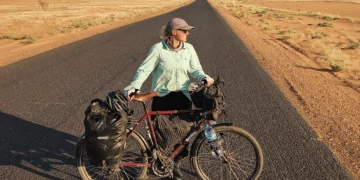










The open road has long been a symbol of freedom, adventure, and exploration, offering individuals the chance to leave behind the confines of routine and experience the world in all its beauty and unpredictability. Whether it’s a cross-country adventure, a journey through scenic highways, or an exploration of unfamiliar territories, the road trip remains one of the most exhilarating ways to see the world.
In the realm of cinema and documentary filmmaking, road trips have consistently been a popular subject, capturing the essence of travel, human connection, and personal growth. These films not only showcase the journey from one place to another but also delve deep into the transformative nature of travel itself. A well-crafted road trip documentary can evoke feelings of nostalgia, curiosity, and wonder while also offering insights into the human spirit, culture, and landscape.
In this article, we’ll explore the significance of road trip documentaries, examining the history, themes, and characteristics that make them such powerful storytelling tools. We will also look at some iconic examples of road trip films and how they have influenced both the genre and the audience’s perception of travel.
1. The Appeal of Road Trip Documentaries
A road trip documentary is more than just a film about a journey; it’s an exploration of human emotions, relationships, and experiences, all set against the backdrop of the ever-changing landscape. The appeal of road trip films is undeniable — they offer a unique combination of adventure, introspection, and discovery, making them captivating for viewers of all ages.
1.1 The Allure of the Open Road
The concept of the “open road” has deep cultural significance. It represents freedom, possibility, and the promise of adventure. For many, the road symbolizes a break from the monotony of everyday life, a chance to rediscover oneself, and an opportunity to embrace the unknown.
- Freedom and Exploration: The road trip represents an escape from the structured world. The absence of a fixed schedule, the unpredictability of the road, and the freedom to choose where to go next mirror the desire for personal exploration and discovery.
- A Metaphor for Life: A road trip can serve as a metaphor for life itself. The journey, with its twists and turns, offers a reflection of the human condition — full of unexpected detours, obstacles, and moments of clarity.
1.2 Personal and Emotional Transformation
One of the most compelling aspects of road trip documentaries is the personal transformation that often occurs during the journey. These films highlight the evolution of the traveler, whether it’s a change in perspective, a deepened understanding of self, or an altered worldview.
- Self-Discovery: Road trips often lead to profound moments of self-reflection. The solitude of the open road or the shared experience with fellow travelers can prompt introspection and a reevaluation of one’s values, desires, and priorities.
- Human Connections: Traveling by road often fosters connections with strangers, communities, and other travelers. These fleeting encounters, whether brief conversations at a roadside diner or shared experiences at a campsite, can be deeply meaningful, reminding us of our shared humanity.
2. Key Themes in Road Trip Documentaries
Road trip documentaries are rich in thematic exploration, from the personal and philosophical to the cultural and environmental. These films often weave multiple layers of storytelling, making them more than just about the journey itself but about the experiences, challenges, and people encountered along the way.
2.1 The Spirit of Adventure and Discovery
At the heart of any road trip documentary lies the spirit of adventure. The journey is not just about moving from one point to another; it’s about discovering new places, cultures, and experiences that offer a fresh perspective on the world.
- New Landscapes and Environments: A road trip allows filmmakers to showcase diverse landscapes, from bustling cities to desolate deserts, towering mountains to tranquil coastal roads. These changing backdrops provide visual variety and underscore the theme of constant change and discovery.
- Cultural Immersion: Road trip documentaries often feature interactions with local people, highlighting the cultural diversity encountered along the way. Whether it’s a rural village or an urban center, the road trip offers a way to explore the subtleties of different lifestyles, traditions, and social dynamics.
2.2 Confronting Challenges and Adversity
No road trip is without its obstacles. Whether it’s mechanical breakdowns, unpredictable weather, or personal conflicts, these challenges often form a central part of the narrative. Road trip documentaries highlight how individuals face and overcome adversity, offering a glimpse into human resilience.
- Conflict and Resolution: The journey often forces travelers to confront internal or external conflicts. These moments of tension and resolution add depth to the narrative, revealing the travelers’ growth and adaptability.
- Environmental and Societal Challenges: Road trips sometimes explore broader issues like environmental degradation, economic hardship, or political unrest, adding layers of social commentary to the film and raising awareness about pressing global issues.
2.3 The Search for Meaning
Beyond the physical journey, many road trip documentaries are imbued with a quest for deeper meaning. Whether it’s a literal search for a specific destination or a more metaphorical journey toward self-understanding, these films often ask profound questions about the nature of life, purpose, and human connection.
- Philosophical Exploration: Road trips allow travelers to confront existential questions, leading to introspective conversations about the meaning of life, the pursuit of happiness, and the fleeting nature of time.
- Spiritual Journey: For some travelers, the road trip is as much a spiritual pilgrimage as a physical journey. Whether it’s through encounters with sacred landscapes, religious sites, or personal moments of enlightenment, road trip documentaries often explore the intersection of travel and spirituality.
3. Notable Road Trip Documentaries and Films
The road trip documentary genre has produced a wide variety of films, each offering a unique perspective on the idea of journey and discovery. Some of the most notable examples have left a lasting impact on both the film industry and the way we perceive travel.
3.1 “Into the Wild” (2007)
Based on the true story of Christopher McCandless, “Into the Wild” tells the story of a young man who rejects conventional society in search of freedom and self-discovery. The film, directed by Sean Penn, follows McCandless as he travels across the United States, ultimately heading into the Alaskan wilderness. The movie explores themes of independence, idealism, and the clash between nature and society.
- Key Themes: Personal transformation, the search for meaning, and the harsh realities of isolation.
- Impact: “Into the Wild” became an iconic road trip documentary, inspiring countless individuals to embark on their own journeys of self-exploration and adventure.
3.2 “The Motorcycle Diaries” (2004)
Based on the memoirs of Che Guevara, “The Motorcycle Diaries” chronicles the journey of a young Guevara and his friend as they travel across South America on a motorcycle. The film is a poignant exploration of social and political issues, as well as the personal transformation that comes from experiencing life on the road.
- Key Themes: Social justice, political awakening, and the power of travel to change one’s perspective.
- Impact: The film’s depiction of South America’s landscapes and its exploration of Guevara’s evolving political views resonated with audiences and deepened the cultural understanding of the region.

3.3 “Nomadland” (2020)
Although more of a fictional narrative with documentary elements, “Nomadland” captures the essence of modern American road trips through the story of Fern, a woman who, after losing her job and home, becomes a nomadic worker traveling the American West. Directed by Chloé Zhao, the film blends the beauty of the open road with a poignant commentary on economic instability and the fragility of the American Dream.
- Key Themes: Economic hardship, community, and resilience.
- Impact: “Nomadland” won several Academy Awards and sparked discussions about modern-day nomadism and the changing nature of work and life in the U.S.
3.4 “Free Solo” (2018)
While not a traditional road trip documentary, “Free Solo” showcases the ultimate journey — the ascent of El Capitan by rock climber Alex Honnold. The documentary focuses on Honnold’s quest to climb the sheer face of the mountain without ropes, presenting both the physical and emotional challenges of undertaking such an extreme endeavor.
- Key Themes: Human endurance, the pursuit of excellence, and overcoming fear.
- Impact: “Free Solo” received widespread critical acclaim for its breathtaking cinematography and its exploration of the personal motivations behind extreme adventure.
4. The Future of Road Trip Documentaries
As technology continues to advance, the way road trip documentaries are made is evolving. Drone technology, advanced cameras, and virtual reality are allowing filmmakers to capture stunning visuals of the world in new ways. Meanwhile, social media and streaming platforms have created a space for independent filmmakers to share their road trip experiences, democratizing the genre and bringing fresh, diverse perspectives to the forefront.
- Interactive Documentaries: New forms of storytelling, such as interactive documentaries, allow viewers to engage with the narrative in a more personal way, possibly enabling them to choose the path of the road trip or explore side stories along the journey.
- Environmental and Social Consciousness: As awareness of environmental and social issues grows, future road trip documentaries may increasingly focus on sustainable travel practices, cultural preservation, and the impact of tourism on local communities and ecosystems.
5. Conclusion: The Timeless Appeal of Road Trip Documentaries
Road trip documentaries continue to captivate audiences worldwide because they tap into fundamental human desires for freedom, discovery, and connection. Whether it’s exploring new landscapes, confronting personal challenges, or seeking a deeper understanding of the world, these films offer viewers the chance to embark on their own journeys of exploration — even from the comfort of their own homes.
Through the lens of the road trip documentary, we are reminded that the journey is often as important as the destination, and that the roads we travel, both literal and metaphorical, shape who we are and how we view the world.