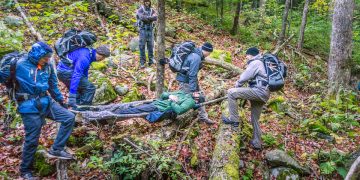










In recent years, the issue of outdoor accidents and safety education has garnered significant global attention. With more people venturing into nature for recreation, adventure, and exploration, the risks associated with outdoor activities have become a critical concern. The need for comprehensive safety education has never been more urgent, as it is not only about preventing accidents but also about fostering a culture of awareness, responsibility, and preparedness in wilderness environments.
Introduction: The Growing Concern for Outdoor Safety
From mountaineering in the Himalayas to hiking in the Swiss Alps, outdoor adventures are integral to modern life. Nature, with its serene beauty and raw power, offers incredible experiences that are often life-changing. However, it also presents risks that are far less predictable than urban settings. The rapid increase in outdoor activities has unfortunately been accompanied by a rise in related accidents, including falls, heatstroke, hypothermia, dehydration, and even fatalities.
This alarming trend has led to a growing demand for outdoor safety education programs worldwide. Governments, NGOs, and outdoor organizations are working together to create awareness and implement safety measures that can mitigate risks. The importance of proper training in wilderness survival, first aid, and accident prevention is becoming increasingly evident.
The Scope of Outdoor Accidents
Accidents in outdoor environments can vary widely, depending on the activity, location, and environmental conditions. Some of the most common accidents include:
- Falls: Whether from cliffs, trees, or during hiking, falls are among the most frequent causes of injuries in outdoor settings.
- Exposure to Extreme Weather: Sudden storms, heatwaves, or freezing conditions can cause hypothermia or heatstroke if individuals are unprepared.
- Dehydration and Malnutrition: In remote areas where access to water and food is limited, dehydration and malnutrition can set in quickly.
- Wildlife Encounters: Encounters with wild animals, while rare, can lead to serious injuries or fatalities if not managed properly.
- Drowning: Whether kayaking, rafting, or swimming, water-based activities come with inherent risks, especially in swift currents or when proper safety gear is not used.
- Injuries from Equipment: Using outdoor equipment, like ropes, harnesses, or bicycles, without proper training or maintenance can lead to catastrophic accidents.
The Global Demand for Outdoor Safety Education
With the rise of recreational activities like hiking, skiing, rock climbing, and camping, more people are exposed to potential hazards. This shift has driven the global push for outdoor safety education, focusing on prevention, preparation, and response. Education programs aim to reduce injuries and fatalities by teaching individuals how to recognize risks, make informed decisions, and respond effectively in emergencies.
Countries around the world have recognized the value of safety training and are increasingly incorporating outdoor education into national curricula. In regions where outdoor activities are a cultural staple, such as New Zealand or the Nordic countries, safety education is becoming as fundamental as basic survival skills.
The Role of Government and Organizations
Governments have taken significant steps to address the challenges posed by outdoor accidents. National and regional authorities are developing regulations that mandate safety gear, training, and certification for high-risk activities such as mountaineering, cave exploration, and rafting. For example, the U.S. National Park Service and the National Outdoor Leadership School (NOLS) have been instrumental in providing resources and training for outdoor enthusiasts.
In many countries, organizations such as the Red Cross, Outdoor Education Centers, and wilderness survival schools are collaborating with governments to offer educational programs. These initiatives aim to teach both the general public and professional adventurers essential skills, from basic first aid and navigation to complex wilderness rescue techniques.
Key Components of Outdoor Safety Education
Outdoor safety education encompasses a broad range of skills, knowledge, and practices. Below are some of the most crucial components of effective outdoor safety programs.
1. Risk Assessment and Prevention
One of the cornerstones of outdoor safety education is teaching participants to assess potential risks before embarking on any outdoor activity. This includes evaluating the weather conditions, understanding the terrain, knowing the wildlife risks, and being aware of any other environmental hazards. Risk assessment also involves preparing for worst-case scenarios and learning how to prevent accidents by following proper procedures and using the correct gear.
2. First Aid and Emergency Response
First aid training is an essential part of outdoor safety education. Participants are taught how to recognize common injuries, such as sprains, fractures, and burns, and how to provide basic medical treatment until help arrives. Advanced wilderness first aid courses focus on life-saving techniques like CPR, treating hypothermia, and managing shock.
Emergency response training teaches individuals how to respond to accidents and disasters in remote environments, where professional medical help may be hours or days away. Skills like signaling for rescue, building shelter, and providing care in austere environments are crucial components of emergency preparedness.
3. Navigation and Communication
Learning how to navigate in the wild using tools like maps, compasses, and GPS devices is a vital skill for outdoor adventurers. Knowing how to orient oneself, plan routes, and understand topography can prevent individuals from getting lost or stranded in unfamiliar territories.
Effective communication, especially in remote areas, is equally important. Outdoor safety education emphasizes the use of communication tools such as satellite phones, two-way radios, or emergency beacons to ensure that help can be called in the event of an emergency.
4. Survival Skills
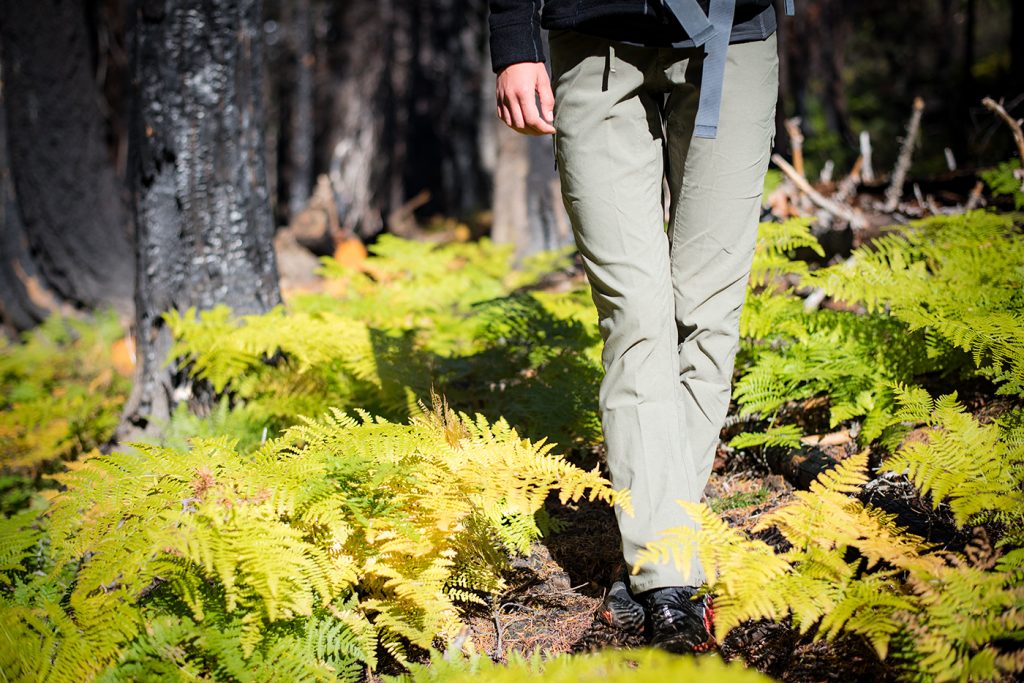
Survival training is a key aspect of outdoor education, especially for individuals who plan to venture into remote wilderness areas. These skills range from building shelter and starting a fire to finding food and water. The ability to survive in extreme conditions is often the difference between life and death in an emergency situation.
Survival training also teaches individuals how to maintain mental clarity during stressful situations, manage limited resources, and stay calm when facing potential life-threatening situations.
5. Environmental Stewardship and Leave No Trace
Outdoor safety education also includes an emphasis on environmental responsibility. Educating individuals about the principles of “Leave No Trace” ensures that outdoor enthusiasts understand the importance of preserving the natural world. This involves minimizing waste, avoiding damage to ecosystems, and respecting wildlife.
Understanding the balance between adventure and conservation is crucial for ensuring that outdoor activities remain sustainable for future generations. Educating individuals on responsible behavior helps prevent accidents caused by environmental degradation, such as navigating through unstable terrain or disturbing fragile ecosystems.
The Impact of Technology on Outdoor Safety Education
In recent years, technology has played a pivotal role in enhancing outdoor safety. Advancements in GPS, communication devices, and wearable technology have revolutionized the way people navigate and manage risk in the wilderness. Mobile apps that offer trail maps, weather updates, and emergency communication features are becoming increasingly popular among outdoor enthusiasts.
Moreover, virtual reality (VR) and augmented reality (AR) are emerging as powerful tools for outdoor safety training. These technologies allow individuals to experience simulated outdoor scenarios and practice emergency response techniques in a controlled environment. VR and AR also offer a cost-effective way to reach a global audience and provide safety education to people who may not have easy access to outdoor training facilities.
Challenges and Opportunities in Outdoor Safety Education
Despite the advancements in outdoor safety education, there are still several challenges that need to be addressed.
1. Access to Education
One of the primary barriers to widespread safety education is access. While many developed countries have robust programs in place, people in remote or underserved regions may not have the same opportunities to receive training. Expanding access to outdoor safety education through online courses, community-based programs, and mobile apps can help bridge this gap.
2. Cultural Differences and Risk Perception
Cultural attitudes towards outdoor activities and risk can vary widely from region to region. In some cultures, outdoor activities may be viewed as inherently dangerous, while in others, they are considered essential parts of daily life. Understanding these cultural differences and tailoring safety education to resonate with local populations is crucial for the success of global safety initiatives.
3. Evolving Risks in Outdoor Environments
As climate change alters weather patterns and increases the frequency of extreme weather events, the risks associated with outdoor activities are also evolving. Outdoor safety education must adapt to these changing conditions by updating training materials, including new hazards, and ensuring that participants are equipped to handle novel challenges like flooding, wildfires, or heatwaves.
Conclusion: A Global Responsibility for Outdoor Safety Education
As more people around the world engage in outdoor activities, the importance of safety education cannot be overstated. By promoting awareness, providing training, and fostering a culture of preparedness, we can mitigate the risks of outdoor accidents and create safer environments for adventurers everywhere. Governments, organizations, and individuals must continue to work together to promote comprehensive outdoor safety education and ensure that outdoor experiences remain enjoyable, enriching, and most importantly, safe.
In the face of evolving risks and challenges, outdoor safety education must remain dynamic, adaptive, and global in its approach. Through innovation, collaboration, and commitment, we can create a future where outdoor adventures are enjoyed without fear, and the wild remains a source of inspiration and discovery for generations to come.