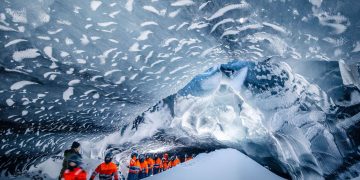










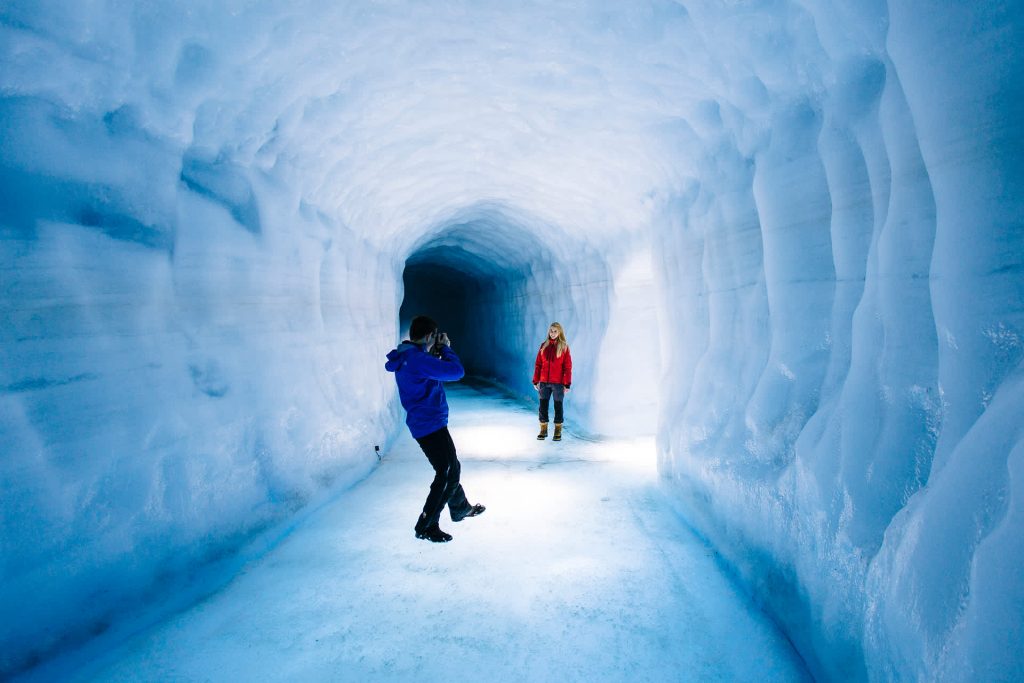
Glacier caves, also known as ice caves, are among the most stunning and mysterious natural formations on Earth. Formed by meltwater streams carving intricate passageways through massive glaciers, these caves offer a glimpse into a world of crystal-clear ice, brilliant blues, and surreal textures. They are living structures, constantly evolving as glaciers move and melt, making every cave unique and ephemeral. Glacier cave exploration combines elements of adventure, science, and artistry, attracting explorers, geologists, and photographers alike.
This article explores glacier cave exploration in depth, covering the formation of glacier caves, the techniques and safety measures involved in exploring them, notable caves around the world, scientific significance, and the ethical considerations associated with their preservation. Through understanding these frozen wonders, we gain insight into both the beauty and fragility of our planet’s icy landscapes.
1. Introduction: The Allure of Ice Caves
Glacier caves captivate the imagination because of their otherworldly appearance and the extreme conditions in which they exist. Unlike limestone caves that can last for millennia, glacier caves are ephemeral; they grow, shift, and collapse within months or years. This impermanence adds a sense of urgency and adventure to their exploration.
For explorers, these caves offer an unparalleled experience: navigating through tunnels of vibrant blue ice, witnessing intricate ice formations, and listening to the resonant sounds of moving ice and meltwater. Beyond their aesthetic appeal, glacier caves serve as natural laboratories for understanding glacial dynamics, climate change, and hydrology.
2. Formation of Glacier Caves
The formation of glacier caves is a dynamic process influenced by the interplay of ice, water, and climate. Understanding these processes is essential for safe exploration and scientific study.
2.1 Meltwater Erosion
The majority of glacier caves are formed by meltwater streams flowing through or beneath the ice. During warmer months, surface meltwater can seep through cracks and crevasses, carving channels and tunnels as it descends. Subglacial streams further enlarge these pathways, sometimes creating vast, multi-level networks.
2.2 Volcanic and Geothermal Influences
In volcanic regions, such as Iceland, geothermal heat can melt ice from below, creating caves that are both ice and geothermal features. These caves can have steam vents, hot springs, and unusual ice formations due to rapid melting and refreezing.
2.3 Airflow and Temperature Variations
Air circulation within glaciers also contributes to cave formation. Warm air entering a crevasse or cave can accelerate melting in localized areas, while colder air may preserve sections of ice for extended periods. This interaction produces a mosaic of textures, including smooth ice walls, frost formations, and icicles.
2.4 Seasonal and Long-Term Changes
Glacier caves are ephemeral, changing with the seasons and over years. Winter cold can seal entrances with snow, while summer warmth may cause tunnels to expand or collapse. The continual movement of glaciers adds another layer of dynamism, making every cave exploration a unique experience.
3. Techniques for Glacier Cave Exploration
Exploring glacier caves requires specialized knowledge, skills, and equipment. Unlike conventional spelunking, ice cave exploration involves navigating slippery surfaces, unstable ice, and cold water hazards.
3.1 Essential Equipment
- Crampons and Ice Axes: To maintain stability on ice surfaces and navigate vertical or steep passages.
- Helmets and Headlamps: Protecting against falling ice and providing illumination in dark tunnels.
- Ropes and Harnesses: For vertical descents or sections with steep drops.
- Cold-Weather Gear: Insulated clothing, gloves, and thermal layers to protect against hypothermia.
- Emergency Supplies: Including first aid kits, food, and communication devices.
3.2 Navigation Techniques
Ice caves can be labyrinthine, with passageways changing rapidly. Explorers rely on mapping, GPS when possible, and marking routes carefully to avoid getting lost. Experienced guides often use established paths, but the ever-changing environment demands vigilance and adaptability.
3.3 Safety Considerations
Safety is paramount due to the inherent instability of glacier caves. Common hazards include:
- Collapse of Ice Structures: Sudden shifts can occur without warning.
- Falling Ice or Rock: Loose ice formations may detach from the ceiling.
- Cold Water Hazards: Subglacial streams can be freezing and strong.
- Crevasses: Hidden cracks in ice can trap or injure explorers.
Proper training, guided tours, and awareness of environmental conditions are essential for minimizing risks.
4. Notable Glacier Caves Around the World
Glacier caves are found in many glacial regions worldwide. Some of the most famous include:
4.1 Eisriesenwelt, Austria
Known as the “World of Ice Giants,” Eisriesenwelt is the largest ice cave in the world, stretching over 42 kilometers. Visitors experience towering ice formations, frozen waterfalls, and vast ice chambers. It is a unique combination of natural beauty and accessibility.
4.2 Mendenhall Ice Caves, Alaska
Located beneath the Mendenhall Glacier, these caves feature stunning blue ice tunnels formed by glacial meltwater. The caves are highly dynamic, with seasonal changes altering their shape and size. They offer an immersive Arctic experience but require careful navigation due to instability.
4.3 Vatnajökull Glacier Caves, Iceland
Iceland’s Vatnajökull glacier hosts numerous ice caves, many formed by volcanic and geothermal activity. These caves are characterized by vivid blue ice, steam vents, and intricate formations, attracting adventurers and photographers from around the globe.
4.4 Rhone Glacier Ice Grotto, Switzerland
The Rhone Glacier features a man-made ice tunnel accessible to tourists. While smaller than natural glacier caves, it provides insight into the internal structure of glaciers and the effect of meltwater erosion.
5. Scientific Significance of Glacier Caves
Beyond their aesthetic and recreational value, glacier caves provide valuable scientific data on glacial dynamics, climate change, and hydrology.
5.1 Indicators of Climate Change
Glacier caves are sensitive indicators of environmental change. Shrinking glaciers, increased melt rates, and cave collapse can signal shifts in regional climate patterns. Monitoring these caves helps scientists track glacial health and predict water resource availability.
5.2 Hydrology and Water Systems
Subglacial streams within ice caves play a crucial role in glacier hydrology. Studying these systems helps researchers understand water flow beneath glaciers, its impact on glacial movement, and downstream ecosystems.
5.3 Geological and Biological Insights
Glacier caves can preserve geological formations and, in rare cases, host microbial life adapted to extreme cold. Studying these caves enhances our understanding of extremophile organisms and the geological history of glacial regions.
6. Ethics and Conservation in Glacier Cave Exploration
Exploring glacier caves carries a responsibility to protect fragile environments. Ethical considerations include:
- Minimizing Human Impact: Avoiding littering, leaving no trace, and respecting ice formations.
- Sustainable Tourism: Limiting visitor numbers to reduce erosion and structural damage.
- Scientific Integrity: Documenting findings responsibly and ensuring research does not disturb natural processes.
- Climate Awareness: Promoting understanding of climate change and glacier preservation.
Responsible exploration ensures that glacier caves can be appreciated by future generations while maintaining their ecological and scientific value.
7. Tips for Aspiring Glacier Cave Explorers
For those interested in experiencing glacier caves, the following tips are essential:
- Seek Experienced Guides: Many caves are unstable and best explored with professionals.
- Check Seasonal Conditions: Some caves are only accessible during specific months due to melting or snowfall.
- Use Proper Gear: Safety and comfort depend on high-quality equipment.
- Plan for Emergencies: Always have contingency plans and let others know your itinerary.
- Respect the Environment: Take photographs but leave the cave as you found it.
8. Conclusion: Embracing the Frozen Wonders
Glacier caves are more than natural formations; they are dynamic, living structures that reveal the power and beauty of our planet’s ice. Exploring these caves is an extraordinary adventure that blends physical challenge, scientific discovery, and aesthetic wonder. Each cave tells a story of ice, water, and time, offering unique insights into glacial processes and the fragility of our environment.
By venturing into these frozen cathedrals, we not only witness breathtaking landscapes but also deepen our understanding of the delicate balance between nature and climate. Glacier cave exploration inspires awe, demands respect, and reminds us of the incredible natural artistry that exists beneath the surface of our world.