









Introduction
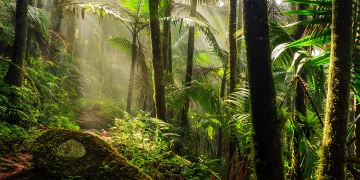
The tropical jungle—dense, wet, steaming with life—represents one of the most challenging environments on Earth. Known for its relentless heat, crushing humidity, unpredictable weather patterns, and biologically complex ecosystems, the jungle offers both extraordinary beauty and significant challenges. Unlike deserts or polar regions, tropical jungles envelop everything in heat and moisture, creating conditions that test human endurance, ecological understanding, and adaptive strategies.
This article provides a greater-than-3200-word, in-depth, professionally structured examination of the hot-humid jungle environment, focusing on its characteristics, ecological dynamics, physiological impacts on humans, environmental hazards, biodiversity, and survival techniques. It is designed for readers seeking a rich, academically oriented, yet highly readable guide that blends scientific insight with practical understanding.
1. The Nature of the Jungle Hot-Humid Environment
1.1 Defining the Jungle Climate
The term “jungle” typically refers to regions of dense vegetation found in tropical climates—areas that experience:
- Heavy rainfall: often exceeding 2000–4000 mm per year
- High humidity: usually between 75–95%
- Consistently warm temperatures: averaging 25–33°C (77–91°F)
- Intense solar radiation despite canopy shade
- Minimal annual temperature variation
These conditions produce lush, layered ecosystems with extraordinary biodiversity.
1.2 Major Jungle Regions of the World
The Amazon Basin (South America)
The world’s largest jungle region, covering over 5.5 million square kilometers. Known for complex river networks, extreme humidity, and record-breaking biodiversity.
The Congo Rainforest (Central Africa)
The second-largest tropical rainforest, characterized by dense growth, deep swamps, and ecological megafauna such as gorillas, chimpanzees, and forest elephants.
Southeast Asian Jungles
Stretching across Indonesia, Malaysia, Thailand, Vietnam, and Papua New Guinea—famous for monsoon-driven seasons, mountainous rainforests, and unique species like orangutans and clouded leopards.
Central American Jungles
Lush and archaeologically rich, containing ancient Maya structures and species such as jaguars, tapirs, and toucans.
2. Environmental Characteristics of Hot-Humid Jungles
2.1 Temperature and Heat Stress
Tropical jungles maintain high temperatures year-round. Unlike deserts, where large temperature swings occur between day and night, jungle temperatures change little—often only by 5–8°C in 24 hours.
Challenges include:
- Persistent sweating
- Limited evaporative cooling due to humidity
- Risk of heat exhaustion or heatstroke
- Elevated metabolic stress
Sweat cannot evaporate effectively in high humidity, reducing the body’s cooling efficiency and increasing thermal strain.
2.2 Humidity: The Defining Feature
Humidity in tropical jungles is not temporary—it is constant, saturating both the environment and human physiology.
Effects of extreme humidity include:
- Rapid dehydration despite sweating
- Constant damp clothing and skin
- Increased bacterial and fungal growth
- Difficulty drying equipment or fabrics
- Foggy visibility during early morning hours
- Reduced efficiency of cooling mechanisms
Humidity also influences ecosystems by maintaining lush vegetation and shaping the habitats of insects, amphibians, and microorganisms.
2.3 Rainfall Patterns
Jungle rainfall is characterized by:
- Daily showers, often in late afternoon
- Seasonal monsoons that bring torrential rains
- Sudden downpours caused by convective storms
- Flooding that reshapes landscapes
- Raging river swells and unpredictable water levels
These patterns create a dynamic hydrological system that influences plant life, animal behavior, and human activity.
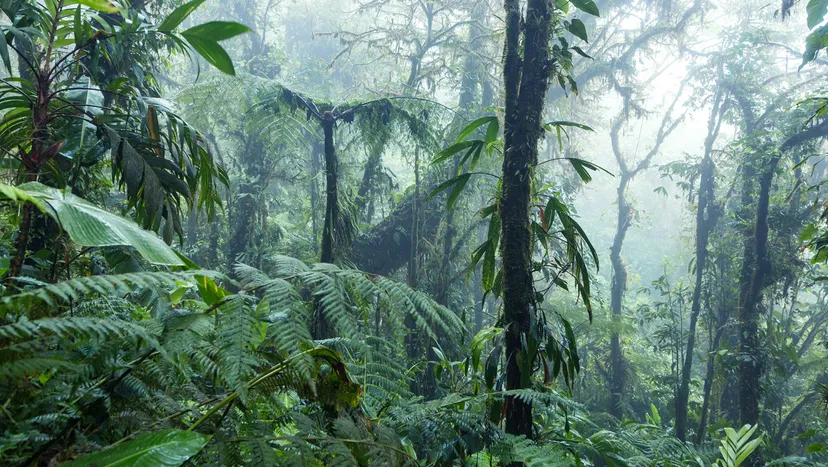
2.4 Dense Vegetation and Multi-Layered Canopies
Jenkins often include:
- Emergent Layer – towering trees reaching 50m
- Canopy – dense leaf coverage blocking 70–90% of sunlight
- Understory – shrubs and shade-tolerant plants
- Forest Floor – dark, moist, and rich in decomposing matter
Each layer hosts unique life forms adapted to different light, moisture, and nutrient conditions.
3. Biodiversity and Ecological Complexities
3.1 Extraordinary Species Richness
Jungles host more species than any other terrestrial ecosystem.
They contain:
- 50%+ of Earth’s plant species
- 80%+ of insect species
- Thousands of bird, reptile, and mammal species
Their dense vegetation and consistent climate create ideal evolutionary conditions.
3.2 Keystone Species
Primates
Orangutans, gorillas, and monkeys help distribute seeds and maintain forest structure.
Large Herbivores and Predators
Elephants, tapirs, tigers, and jaguars shape ecosystems through predation and vegetation control.
Insects
Termites, ants, and beetles regulate decomposition and nutrient cycling.
These keystone species maintain ecological balance.
3.3 Symbiotic Relationships
Jungle ecosystems thrive on mutualism and interdependence:
Examples:
- Mycorrhizal fungi and tree roots: enhanced nutrient absorption
- Cleaner fish and large river species: removal of parasites
- Epiphytic plants growing on trees without harming them
- Pollination partnerships between insects and flowers
These relationships facilitate nutrients and energy flow through ecosystems.
4. Human Physiology and Challenges in Hot-Humid Jungle Conditions
4.1 Thermoregulation Under Stress
Extreme humidity reduces the body’s ability to evaporate sweat, the primary cooling mechanism. As a result:
- Heart rate increases
- Heat builds internally
- Fatigue arises more quickly
- Risk of heatstroke rises
Prolonged exposure without hydration leads to circulatory collapse.
4.2 Dehydration and Salt Loss
People in jungle environments can lose 1–2 liters of sweat per hour.
Sweat loss contains electrolytes (sodium, potassium, magnesium), leading to:
- Muscle cramps
- Weakness
- Reduced cognitive performance
- Potential heat illness
Hydration is continuous, not occasional.
4.3 Skin Vulnerability
Humid jungles cause widespread dermatological issues:
- Fungal infections
- Bacterial growth
- Trench foot
- Rashes from wet clothing
- Mite or insect bites
Constant moisture prevents skin from healing.
4.4 Psychological Strain
The jungle environment affects the human psyche:
- Constant noise from insects and animals
- Darkness caused by canopy cover
- Isolation and disorientation
- Dense foliage blocking visibility
- Perceived claustrophobia
Mental resilience is essential.
5. Environmental Hazards Unique to Jungles
5.1 Dangerous Wildlife
Predators
- Jaguars
- Tigers
- Large snakes (anacondas, pythons)
Venomous Species
- Spiders
- Scorpions
- Snakes
- Poison dart frogs
Insects
Perhaps the greatest hazard:
- Mosquitoes (malaria, dengue)
- Ticks
- Leeches
- Ants and termites
Insects cause more human harm than large predators.
5.2 Plants and Vegetation Risks
- Thorned vines
- Toxic plants
- Hallucinogenic or poisonous sap
- Spiny palm leaves
- Rapid vegetation overgrowth that limits movement
Some vines can cut skin; others entrap ankles or gear.
5.3 Waterborne Hazards
Jungle water contains pathogens such as:
- Giardia
- Bacteria
- Parasites
- Amoebas
River hazards include:
- Strong currents
- Floating debris
- Hostile wildlife (crocodiles, hippos)
5.4 Terrain Challenges
- Mud pits
- Slippery roots
- Hidden holes
- Fallen logs
- Unstable riverbanks
Terrain injuries are common.
6. Survival Strategies in Hot-Humid Jungle Environments
6.1 Clothing and Equipment
Recommended Gear:
- Lightweight, breathable long sleeves
- Quick-dry pants
- Moisture-wicking underwear
- Ventilated boots
- Insect-proof socks
- Wide-brim hat
- Waterproof pack liner
- Machete for navigation
- Water filtration device
Clothing must balance protection with ventilation.
6.2 Hydration and Nutrition
Water Purification Methods
- Boiling
- Filters
- Chemical tablets
- UV sterilizers
Food Sources
- Fruits
- Edible plants
- Insects
- Fish
- Small animals
Proper nutrition prevents fatigue and illness.
6.3 Movement Techniques
- Move slowly to conserve energy
- Follow ridgelines to avoid swamps
- Avoid moving at night
- Use machete efficiently—don’t overexert
- Monitor surroundings constantly
Stealth and caution prevent injuries.
6.4 Shelter Building
Ideal shelters offer:
- Protection from rain
- Elevated sleeping platforms (avoid snakes)
- Drainage channels
- Roof insulation made of leaves or fronds
Shelter must be built before sunset.
6.5 Fire Management
Fire is invaluable for:
- Cooking
- Purifying water
- Insect repulsion
- Psychological comfort
- Drying clothes
Dry tinder is rare—use inner bark, resin, or feathered sticks.
7. Adaptation, Indigenous Knowledge, and Sustainability
7.1 Traditional Jungle Living Models
Indigenous peoples have thrived in jungles for millennia using:
- Rotational agriculture
- Herbal medicine
- Foraging systems
- Forest navigation techniques
- Clan/community-based survival methods
Their strategies are environmentally harmonious.
7.2 Sustainable Jungle Interaction
Modern jungle presence must prioritize:
- Biodiversity protection
- Low-impact travel
- Waste minimization
- Respect for Indigenous land rights
Responsible ecosystem interaction preserves rainforest longevity.
Conclusion
The jungle hot-humid environment is one of Earth’s richest and most challenging ecosystems. Its combination of heat, moisture, biodiversity, and ecological complexity demands respect, knowledge, and preparation. Whether studied scientifically, explored recreationally, or encountered for survival, the jungle requires a deep understanding of its physical and biological dynamics.