









Introduction
Extreme environments—whether the blistering cold of the Arctic, the relentless heat of the desert, or the treacherous altitude of high mountains—present unique challenges to survival. They demand not only physical and mental resilience but also the right gear. The right equipment can make the difference between life and death, safety and disaster. This article provides a comprehensive guide to selecting extreme environment gear, focusing on the specific needs and considerations for survival in arctic, high-altitude, desert, and jungle conditions. Each environment presents unique challenges, and the right gear selection must be tailored to combat those specific challenges.
With over 3200 words, this article covers everything from clothing to food, shelter, navigation, and tools necessary for survival, presenting a detailed and professional understanding of the importance of selecting the proper equipment for extreme conditions.
1. The Importance of Gear in Extreme Environments
When heading into extreme environments, survival depends on several critical factors:
- Protection against extreme weather (cold, heat, wind, rain)
- Maintaining body temperature
- Efficient use of energy
- Navigation and orientation
- Sustaining hydration and nutrition
- Defensive and emergency tools
In each case, equipment must be selected based on weather conditions, terrain, duration of stay, and the physical toll the environment will take on the human body. Understanding these needs is the first step toward survival.
2. Arctic and Polar Environments: Surviving the Cold
The Arctic and polar environments are perhaps the most demanding of all extreme settings. With temperatures often reaching below -40°C (-40°F), and conditions that can lead to frostbite or hypothermia in minutes, selecting the right gear is crucial.
2.1 Clothing: Layering for Thermal Protection
In these frigid environments, layering is essential. The key is to trap as much warm air close to your body while keeping moisture away from your skin.
Base Layer: Moisture-Wicking Fabrics
- Purpose: To keep sweat and moisture off the skin.
- Recommended Materials: Merino wool, polyester, and polypropylene.
- Avoid: Cotton (it retains moisture and chills the body).
- Key Features: Quick-drying, breathable, and moisture-wicking.
Insulating Layer: Retaining Heat
- Purpose: To trap body heat and keep you warm.
- Recommended Materials: Fleece, down (preferably water-resistant), synthetic insulation.
- Considerations: Down offers the best warmth-to-weight ratio but loses insulating properties when wet. Synthetic insulation performs better in damp conditions.
Outer Layer: Protection from Wind and Water
- Purpose: To protect from wind, snow, and moisture.
- Recommended Materials: Gore-Tex or other waterproof/breathable materials.
- Key Features: Windproof, waterproof, breathable, durable.
Other Clothing Essentials
- Hats: Insulated, windproof beanies or balaclavas.
- Gloves and Mittens: Insulated mittens are warmer than gloves, but gloves allow for more dexterity.
- Footwear: Insulated, waterproof boots with wool or synthetic liner socks. Consider gaiters to protect from snow and wet conditions.
2.2 Shelter: Building or Choosing the Right Refuge
In the Arctic, staying warm and dry is paramount, and this means having the right shelter.
- Tent: Choose a four-season tent designed for high winds and heavy snow. It should be sturdy, insulated, and equipped with a vestibule for gear storage.
- Bivouac Bags: For short stays, or if you’re out in the open, bivy sacks provide emergency protection.
- Snow Caves: If you’re stuck in a survival situation, a well-constructed snow cave can maintain a temperature above freezing, even in extreme conditions.
2.3 Tools and Emergency Equipment
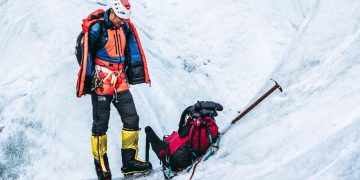
- Ice Axe: For traversing icy or snow-covered terrain.
- Crampons: Essential for walking on ice.
- Avalanche Beacon: In areas prone to avalanches, carrying a beacon is vital.
- Survival Kit: Include fire starters, high-calorie food (e.g., energy bars), first-aid kit, and signaling devices like mirrors or flares.
3. High-Altitude Environments: Conquering the Mountains
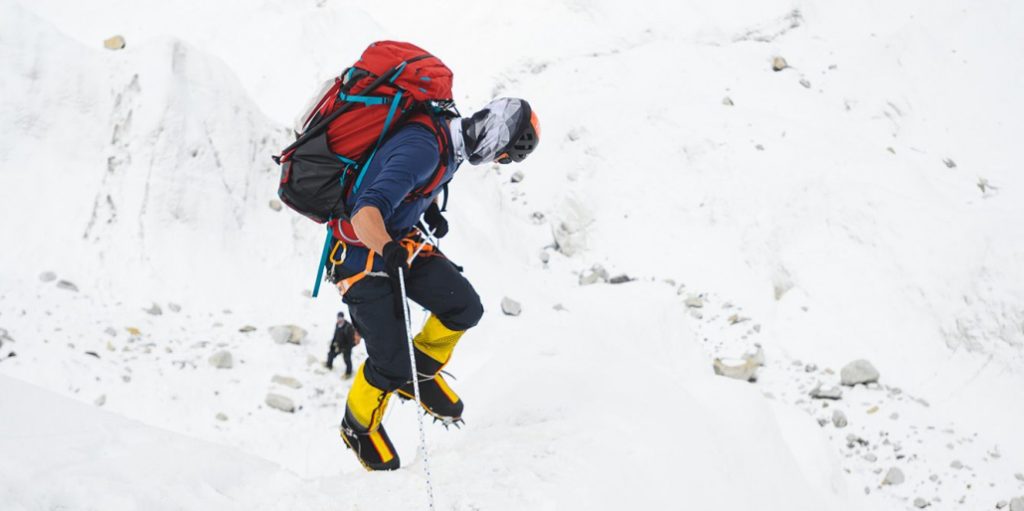
Mountains pose their own set of extreme challenges. Altitude sickness, freezing temperatures, and unpredictable weather make survival gear essential for expeditions.
3.1 Clothing: Protection Against Wind, Cold, and UV Radiation
At higher altitudes, UV radiation increases, and temperatures can dip rapidly, especially after sunset.
Base Layer: Wicking and Breathability
- Recommended Fabrics: Merino wool or polyester.
- Features: Sweat-wicking, antimicrobial, and breathable.
Insulating Layer: The Key to Warmth
- Materials: Down (when dry) or synthetic insulation for wet conditions.
- Features: Lightweight, compressible, and high warmth-to-weight ratio.
Outer Layer: Windproof and Waterproof
- Recommended Fabrics: GORE-TEX, waterproof breathable membranes.
- Features: Windproof, durable, and rainproof.
3.2 Shelter: High-Altitude Tents and Protection
- Four-Season Tent: Should be able to withstand high winds, snow, and freezing temperatures.
- Sleeping Bag: Choose one rated for the temperatures expected, with down or synthetic insulation.
- Sleeping Pad: Insulating foam or inflatable pads keep you off the cold ground.
3.3 Hydration and Nutrition
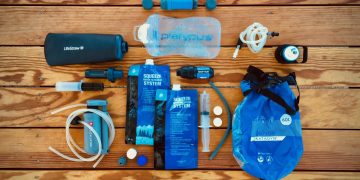
The high-altitude environment can dehydrate you quickly. Ensure you have water purification systems (filters, purifiers) and high-calorie, easily digestible foods.
4. Desert Environments: Surviving Extreme Heat and Drought
The desert environment presents a different challenge altogether. High temperatures, low humidity, and limited water sources create a brutal survival scenario.
4.1 Clothing: Minimizing Heat Stress and Sun Exposure
Desert clothing should be focused on keeping the body cool while providing adequate protection from the sun.
Base Layer: Light and Breathable
- Recommended Fabrics: Lightweight cotton or synthetic fabrics that wick moisture away.
- Key Features: Light-colored clothing to reflect sunlight, breathable, quick-drying.
Outer Layer: Sun Protection
- Materials: UV-protective fabrics.
- Features: Loose-fitting, breathable, and full-length to shield from the sun.
- Accessories: Wide-brimmed hats, UV sunglasses, neck gaiters.
4.2 Shelter: Keeping Cool in the Heat
In desert environments, your shelter must protect you from scorching sun during the day and provide warmth at night.
- Shelter: A reflective, lightweight tent or tarp that protects from both sun and wind.
- Sleeping Bags and Pads: Use sleeping bags rated for cooler temperatures at night, and choose sleeping pads with insulation.
4.3 Hydration and Nutrition
- Water: Desert survival relies heavily on water management. Always carry more water than you expect to need.
- Food: Dehydrated foods that are easy to carry, such as energy bars and ready-to-eat meals.
5. Jungle Environments: Surviving the Heat, Humidity, and Wildlife
The jungle presents unique survival challenges with intense humidity, dense vegetation, frequent rainfall, and a high risk of disease. Proper gear can significantly increase your chances of survival.
5.1 Clothing: Protection Against Humidity and Insects
The combination of heat, humidity, and insects requires lightweight and breathable clothing.
Base Layer: Moisture-Wicking and Cooling
- Recommended Fabrics: Lightweight merino wool or synthetic materials.
- Features: Fast-drying and breathable.
Outer Layer: Insect Protection
- Materials: Mosquito netting, long-sleeve shirts, and pants treated with DEET or permethrin.
- Key Features: Insect-resistant, quick-drying, and lightweight.
5.2 Shelter: Protection from Rain and Creatures
In the jungle, shelter should keep you dry while offering protection from rain, insects, and wildlife.
- Tent: Choose a lightweight, breathable, but waterproof tent.
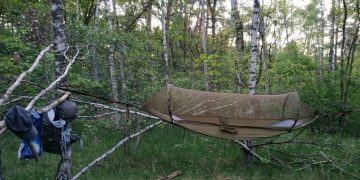
- Tarps and Emergency Shelters: A tarp or hammock can be used to create an elevated sleeping platform, keeping you off the damp ground.
5.3 Food and Water: Foraging and Purification
- Water Purification: Use filters, purification tablets, or boiling water from nearby streams or rivers.
- Food: Forage for edible plants or insects. Bring lightweight, high-calorie rations like nuts and jerky.
6. Universal Gear for Extreme Environments
While each environment has its unique challenges, some gear is universally essential for all extreme conditions.
6.1 Survival Tools
- Multi-tool: Includes a knife, pliers, screwdrivers, and other essential tools.
- Firestarter: Waterproof matches, lighters, or ferro rods.
- First Aid Kit: Should include antiseptics, bandages, painkillers, and insect repellents.
6.2 Navigation Tools
- Compass: Always essential in environments where visibility is low.
- GPS Device: A waterproof, durable GPS unit with preloaded maps.
- Map and Guidebook: For reference and route planning.
Conclusion
Choosing the right gear for extreme environments is a complex and nuanced decision that requires careful consideration of the terrain, weather, and potential hazards. Whether in the Arctic, a high-altitude mountain, the desert, or the jungle, survival depends on having the right tools and equipment that ensure your safety, health, and efficiency. As explored in this article, layering clothing, protective shelter, hydration, and sustenance are key elements of any survival strategy.
Being prepared for the challenges posed by extreme environments is not just about having the best gear—it’s about understanding your surroundings and how each piece of equipment serves to address specific environmental hazards. Equip yourself wisely, and ensure your survival in the harshest conditions.